
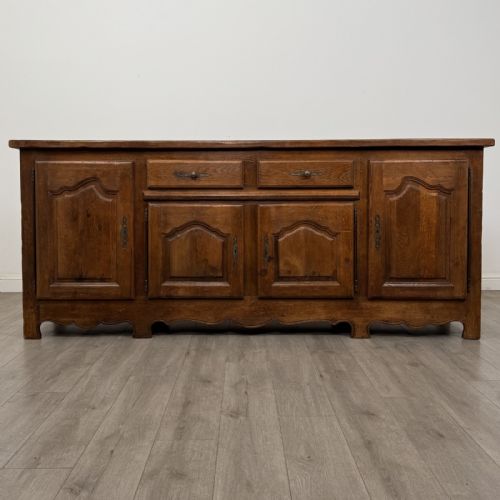
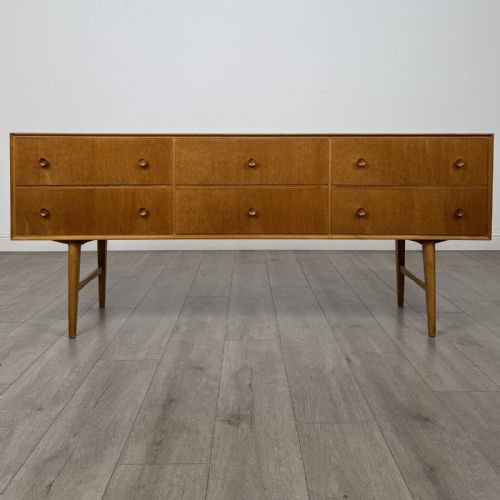
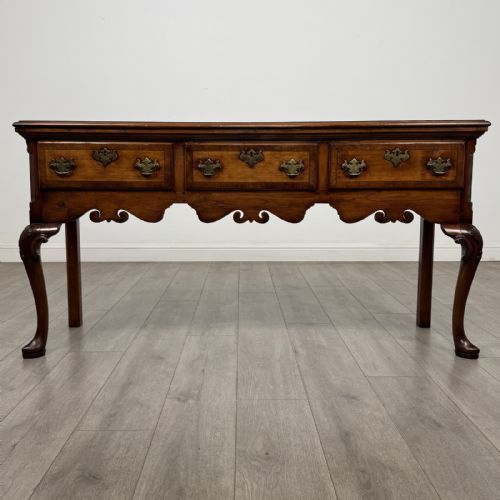
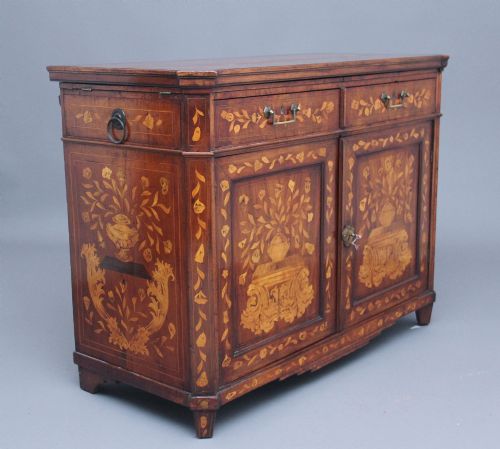
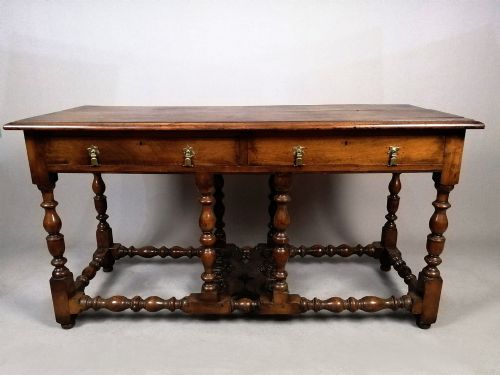
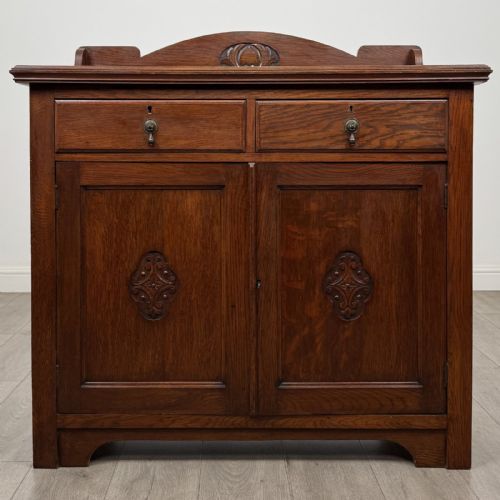
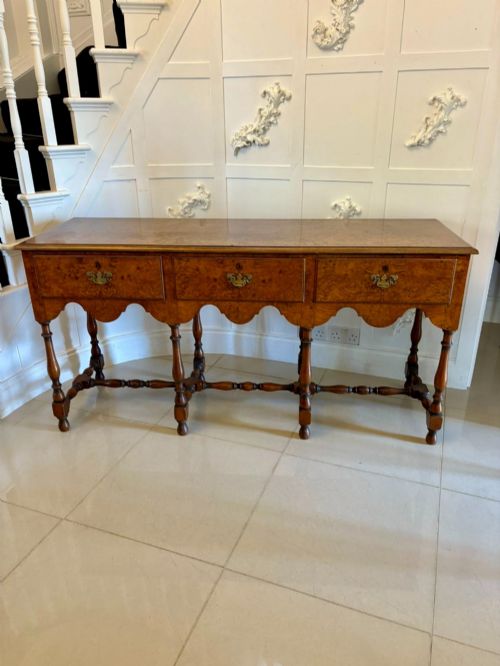
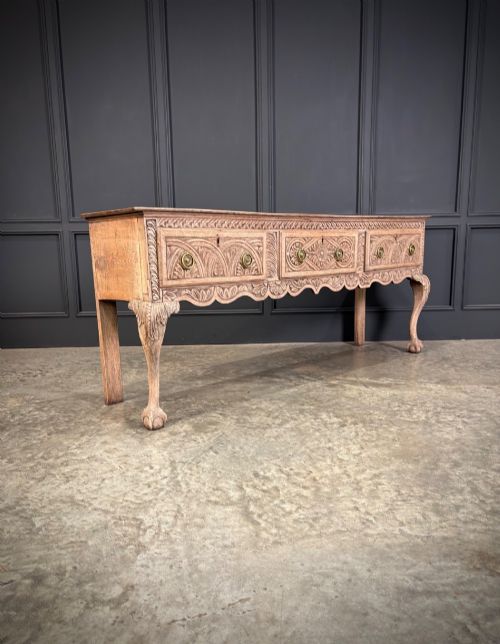
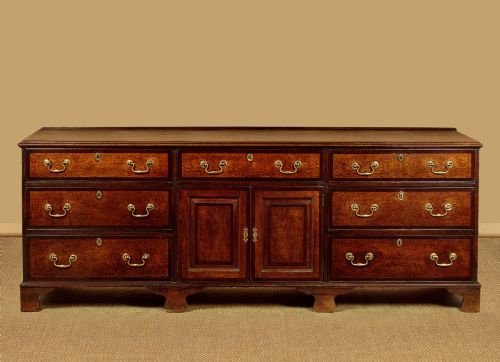
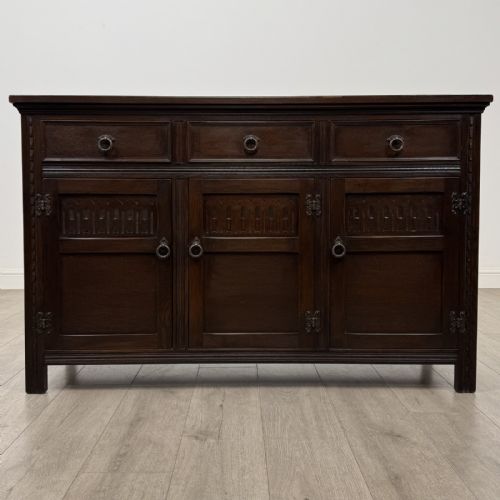
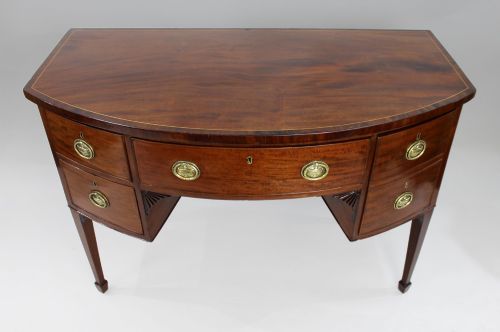
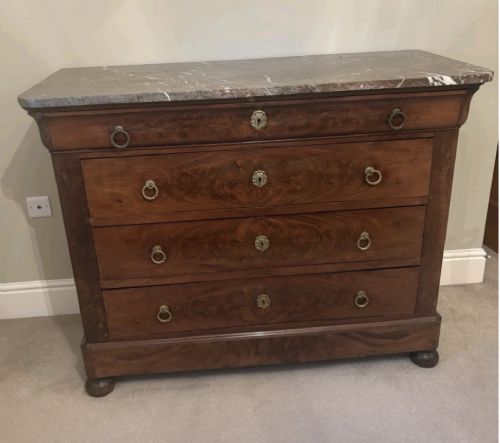
Antique Drawer Sideboard
An antique drawer sideboard brings generous storage and sturdy craftsmanship into a room, combining the practicality of deep drawers with the broad surface of a traditional server.
Antique Drawer Sideboard
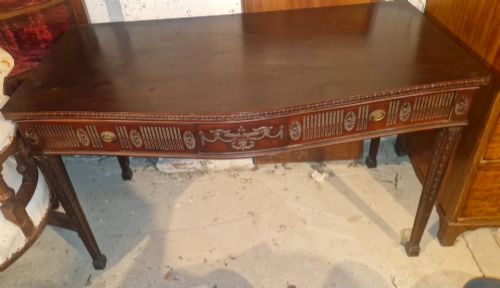
An antique drawer sideboard encompasses a broad range of forms designed for storage and serving, merging the functions of dressers, commodes, and cabinets. When exploring an antique drawer sideboard, buyers encounter pieces that bridge dining room service and general domestic storage.
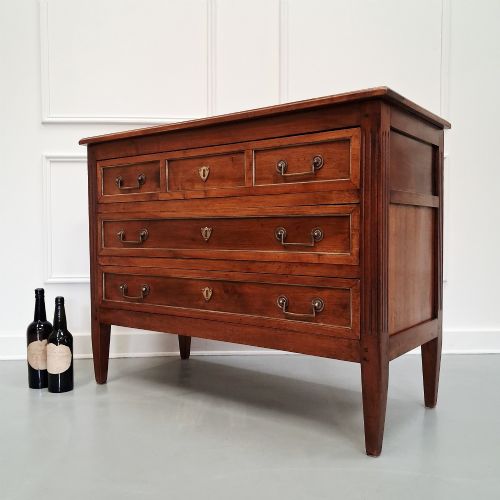
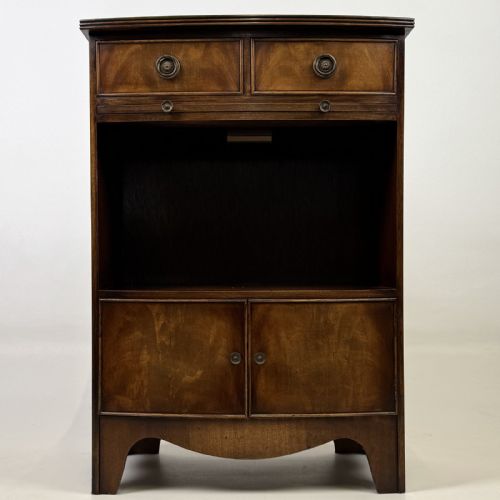
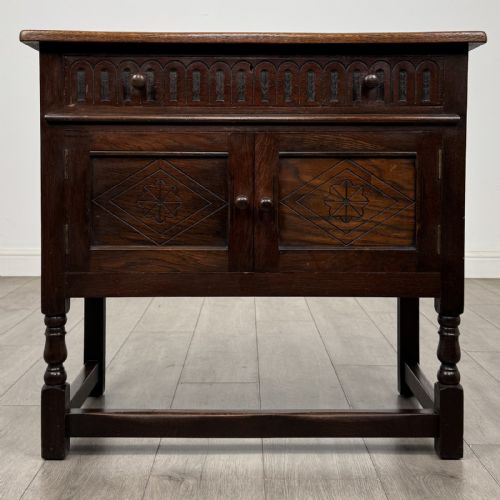
The selection ranges from robust 18th Century oak dresser bases and George III potboards to refined Edwardian walnut designs, mahogany campaign chests, and French commodes. These varied forms reflect regional British and continental traditions, encompassing both rustic pine farmhouse furniture and formal reception room pieces.
Objects catalogued under this term frequently overlap with chest of drawers and dresser base categories, demonstrating how older functional furniture serves modern interiors as versatile sideboards. The forms span centuries of woodworking, adapting lower storage compartments and multiple drawers for contemporary living spaces.
How they were made
Cabinetmakers constructed these pieces primarily using solid native timbers such as oak, mahogany, and pine, alongside decorative veneers like walnut, kingwood, and burr walnut. Frames often utilised sturdy dovetail joinery for drawers and mortise and tenon joints for structural stability.
Surface ornamentation relied on natural finishes such as wax alongside intricate parquetry, marquetry, and carved detailing. Brass handles, escutcheons, and occasional marble tops completed the construction, balancing utility with aesthetic refinement.
Secret drawers tucked into cornices and hidden compartments on Gillows legs kept family heirlooms safe from curious dinner guests.
What varies in quality
The standard of an antique drawer sideboard depends largely on the selection of timber and the precision of its construction. Superior examples display carefully matched grain patterns, tight dovetail joints, and original hardware that integrates seamlessly with the primary material.
Proportion and decorative restraint further distinguish exceptional pieces from standard utility items. Subtle carvings, well-balanced drawer arrangements, and intact period finishes elevate a piece beyond basic domestic joinery.
Whytock and Reid·Jacques Birckle·Gillows
The Antique Drawer Sideboard Glossary
- Dresser base
- A low wooden sideboard featuring drawers and sometimes a lower shelf or potboard, traditionally used in kitchens and dining rooms for food preparation and storage.
- Potboard
- An open lower shelf built into the base of a Welsh dresser or sideboard, historically utilised for storing pots and pans.
- Dovetail
- A traditional interlocking joint used in drawer construction to ensure durable corners without relying on metal fasteners.
- Parquetry
- Geometric wood inlay work creating patterned surfaces on tabletops and drawer fronts using contrasting timbers.
Antique Drawer Sideboard: Frequently Asked Questions
What is a drawer sideboard?
A drawer sideboard is a low storage unit combining surface display space with multiple compartments for cutlery, linen, and dining accessories.
These pieces draw on traditions from 18th Century oak dresser bases to Edwardian mahogany servers, offering adaptable storage for modern homes.
How were these sideboards used?
Historically, these items served in kitchens and dining rooms for food preparation, serving meals, and storing household tableware.
Today, they function as living room media units, hallway consoles, or dining room servers that hide clutter while displaying decorative objects.
How do I date an oak sideboard?
Dating relies on examining construction methods, timber selection, and hardware styles. Hand-cut dovetails, pegged joints, and native oak indicate earlier 18th Century origins.
Later Victorian and Edwardian pieces often incorporate machine assistance, softer pine carcases, or revival styling such as Jacobean and Arts and Crafts motifs.
Where did regional sideboards originate?
Regional pieces often reflect local timber availability and workshop traditions across Britain and continental Europe. Welsh and Lancashire workshops favoured sturdy oak and potboards, while French makers utilised walnut and fine marquetry.
English country styles prioritized utilitarian pine and fruitwoods, whereas urban cabinetmakers employed imported mahogany and exotic veneers.