

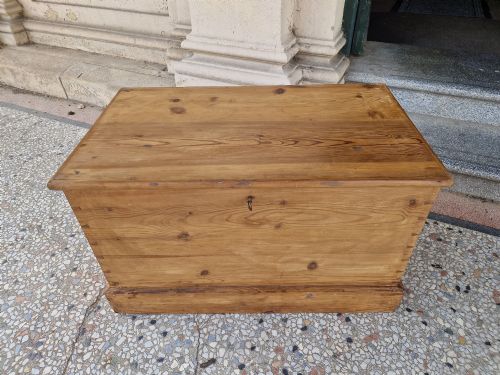


Antique Dovetailed Box
An antique dovetailed box brings practical storage and visible carpentry into a room, offering the durability of centuries-old timber construction.
Antique Dovetailed Box
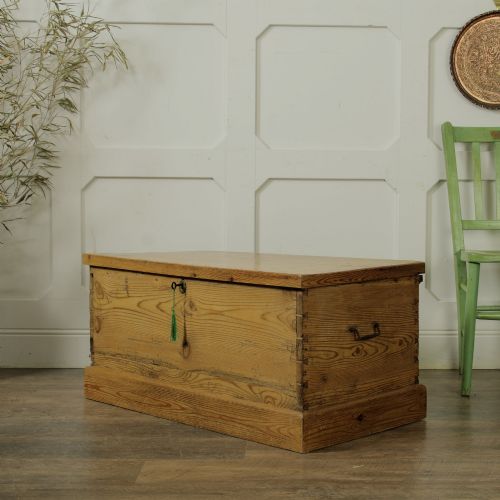
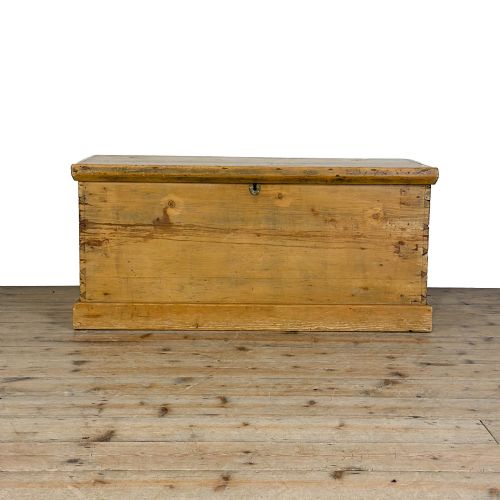
An antique dovetailed box serves primarily as a robust container, ranging from small presentation cases and trays to large blanket chests, mule chests, and military campaign trunks. Buyers seeking this phrase encounter containers built for utility, often designed with side handles or internal drawers for organisation.
The pieces appearing on this page span several distinct periods, most notably the Victorian era alongside Georgian, Regency, 17th century, and 1900 examples. Pine predominates as a material, supplemented by harder timbers such as teak, mahogany, elm, pitch pine, walnut, and camphor wood.
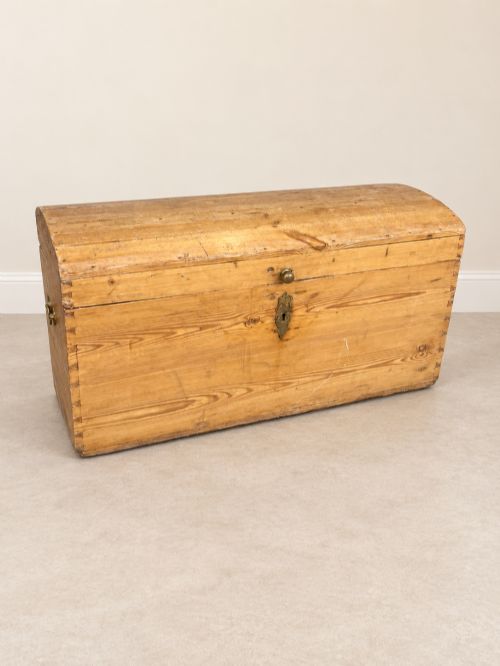
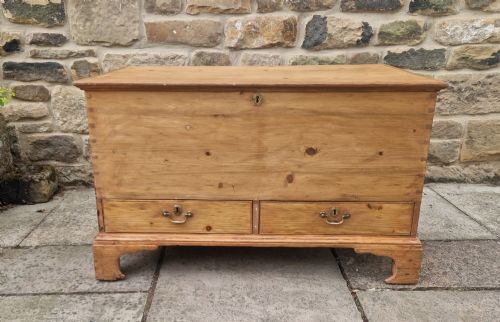
Forms vary from domed top trunks and rustic country blanket boxes to fitted cabinets with multiple small drawers and specialised wine presentation cases. These objects originate from domestic households, workshops, and military contexts, reflecting the varied storage needs of past eras.
How they were made
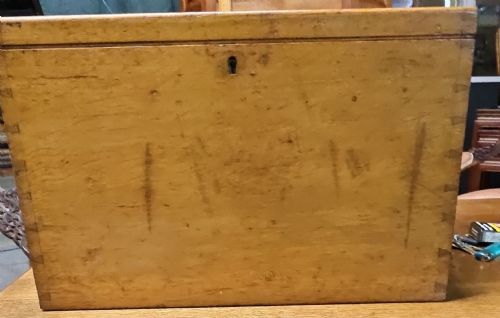
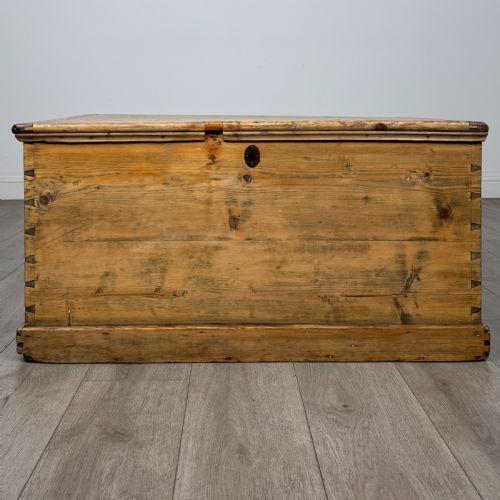
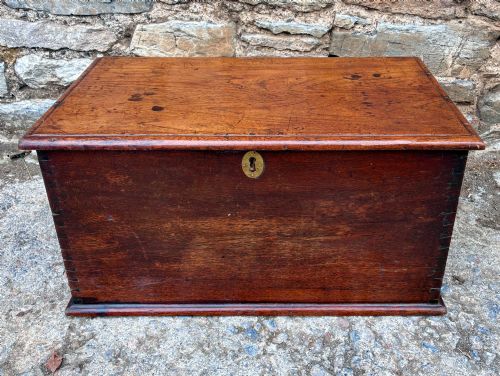
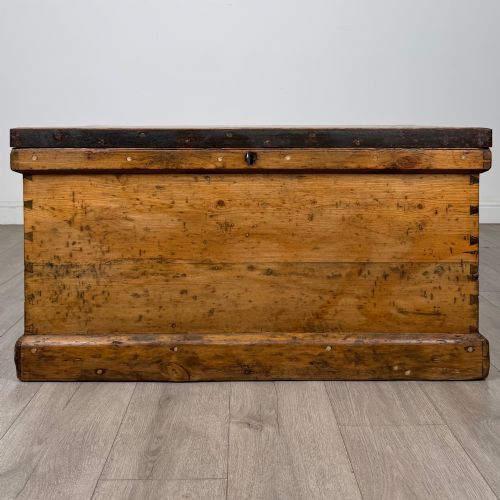
Makers constructed these boxes using solid timbers including pine, teak, mahogany, elm, and camphor wood, joined at the corners with interlocking dovetail joints that provided structural strength without modern adhesives. Workshops reinforced many examples with iron or brass hardware, such as side handles, locks, and corner brackets, to withstand heavy travel or daily domestic use.
Surfaces received various treatments depending on the intended function, ranging from waxed pine finishes to polished mahogany and stripped timber showing the natural grain. Internal configurations often featured fitted compartments, small drawers, or lift-out trays built with the same meticulous carpentry as the exterior carcass.
Antique Dovetailed Box Retail Price Guide 2026
Typical asking prices for dovetailed box among the pieces listed under this phrase on Sellingantiques today, from the lower quarter to the upper quarter. They describe what is for sale here now, not the wider market.
Some carpenter's toolboxes retain decades of stubborn sawdust tucked permanently inside their hand-cut dovetails.
What varies in quality
Quality in these pieces rests upon the precision of the joinery and the selection of timber, where tightly fitted dovetails indicate superior cabinet-making compared to more utilitarian nailing. The choice of material alters the character of the object, distinguishing dense hardwoods like camphor wood and mahogany from domestic softwoods like pine.
The integrity of original brass or iron hardware, side handles, and internal fittings distinguishes boxes that retain their complete functional form from those modified or stripped of their original components over time.
The Antique Dovetailed Box Glossary
- Dovetail
- A joint formed by interlocking wedge-shaped fingers, known as pins and tails, providing exceptional tensile strength at the corners of a box. This traditional method remains a hallmark of quality woodwork across centuries of furniture making.
- Mule chest
- A storage chest featuring one or more drawers at the base beneath a primary lift-lid compartment. This form bridges the evolution between the simple blanket chest and the complete drawer chest.
- Campaign trunk
- A portable storage box designed for military officers on the move, typically constructed from durable woods like camphor wood or teak with recessed brass fittings. These pieces dismantled or travelled easily during British military operations.
- Pitch pine
- A resinous variety of pine noted for its prominent grain pattern and durability, frequently utilised for heavy-duty Victorian trunks and chests. It offers greater weight and resilience than standard white pine.
- Domed top
- A curved lid construction on a trunk or chest designed to shed water and increase internal storage capacity. This profile often appears on 19th-century pine travel pieces.
Antique Dovetailed Box: Frequently Asked Questions
How were antique dovetailed boxes originally used?
These boxes served a multitude of storage and transport functions in homes, workshops, and military camps. Larger chests held blankets, linens, and clothing, while smaller cases accommodated tools, wine bottles, or cutlery.
Fitted interiors with small drawers allowed owners to organise personal items, documents, or specialised gear securely. Their sturdy construction made them suitable for everyday household utility as well as travel.
How do I tell a Georgian box from a Victorian one?
Georgian pieces often display finer cabinetry details, such as mahogany construction or specialised butler's trays, reflecting formal domestic interiors. Timber selection and hardware style frequently provide clues to the period of manufacture.
Victorian examples lean heavily towards practical pine blanket boxes, rustic farmhouse storage, and utilitarian trunks with iron side handles. Comparing the construction methods and wood types helps distinguish the earlier Georgian craftsmanship from later 19th-century production.
Can I use an antique chest as a coffee table?
Many people utilise blanket boxes and trunks as low tables in living spaces because their flat lids provide a stable surface. The internal storage space also offers a practical place to stow living room items.
When choosing a box for this purpose, consider the height, lid stability, and surface finish to ensure it suits your daily domestic routine.