
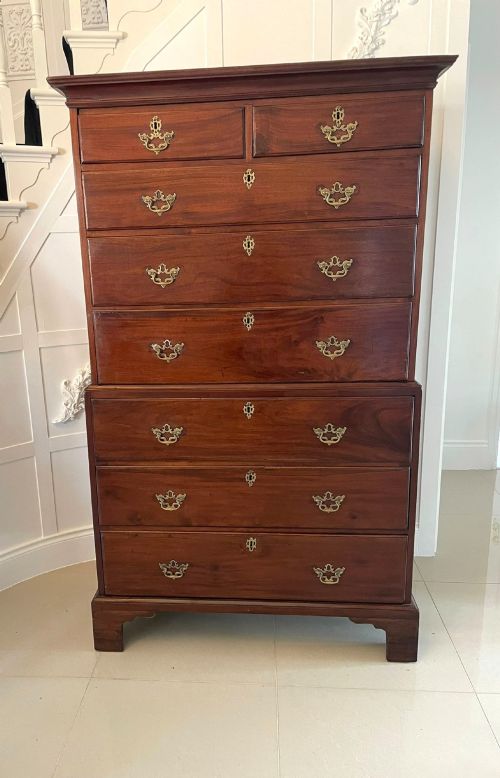
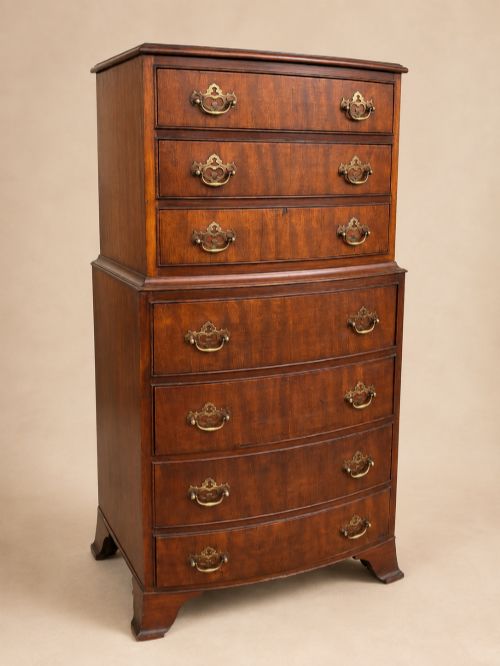
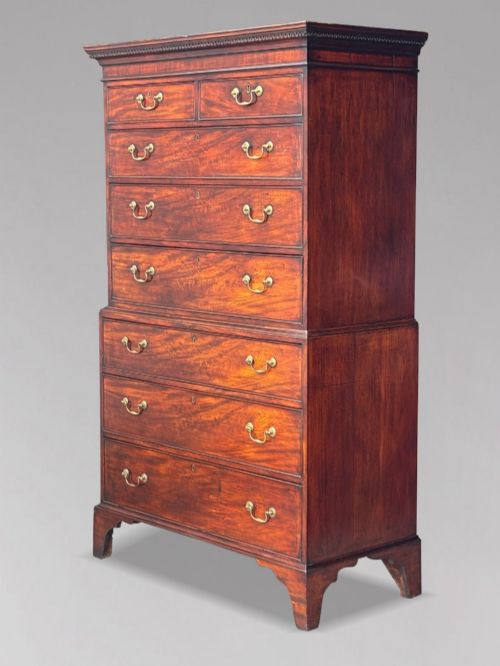
Antique Double Tallboy
An antique double tallboy provides exceptional vertical storage through its stacked chest-on-chest form, bringing Georgian and later craftsmanship into a room.
Antique Double Tallboy
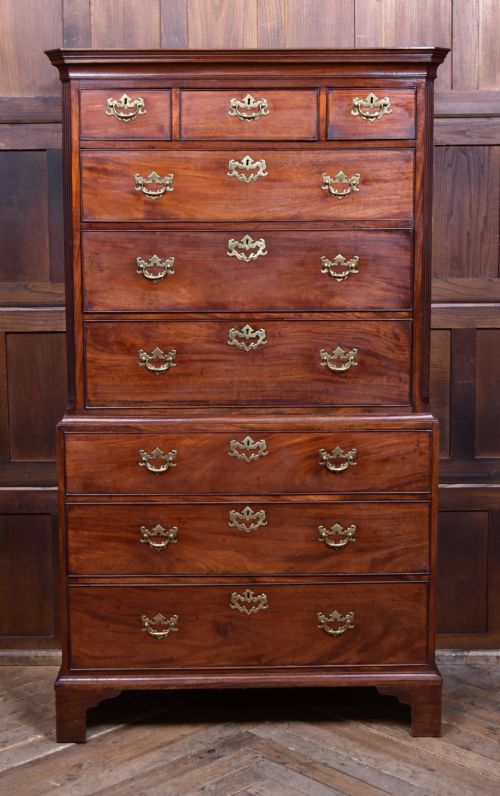
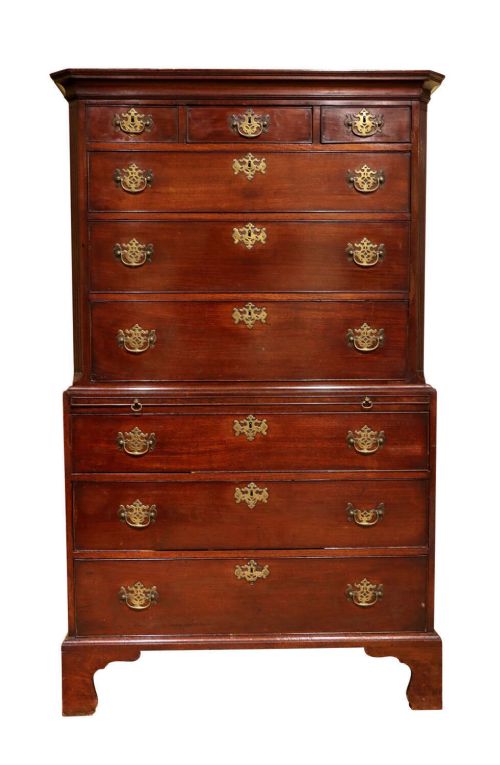
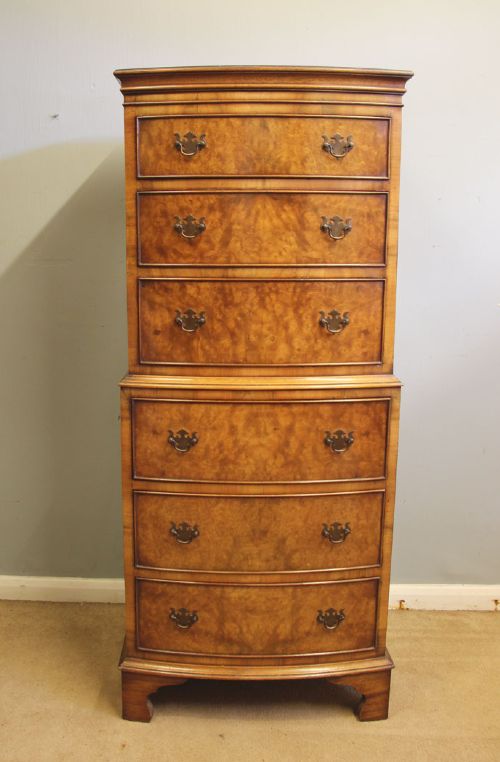
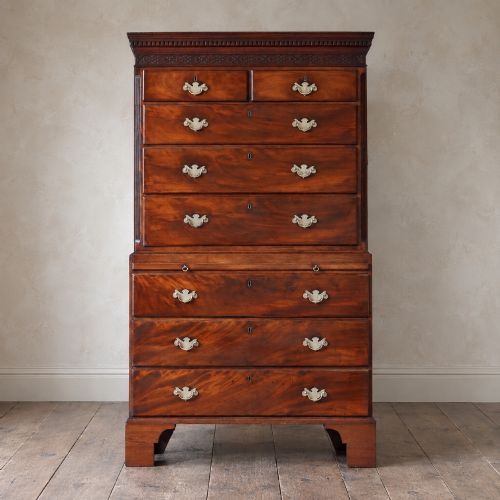
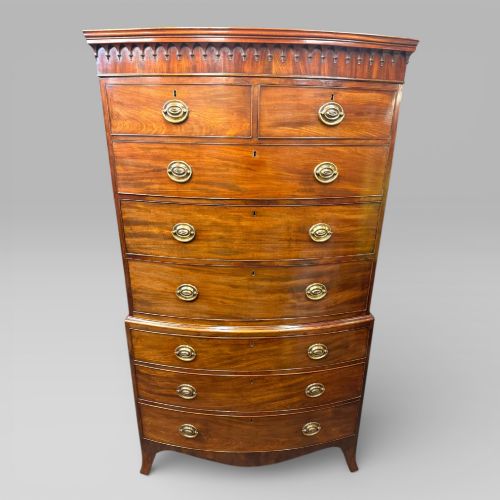
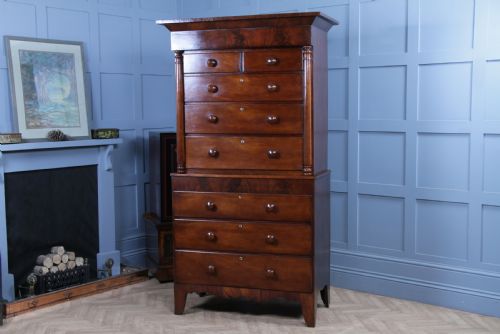
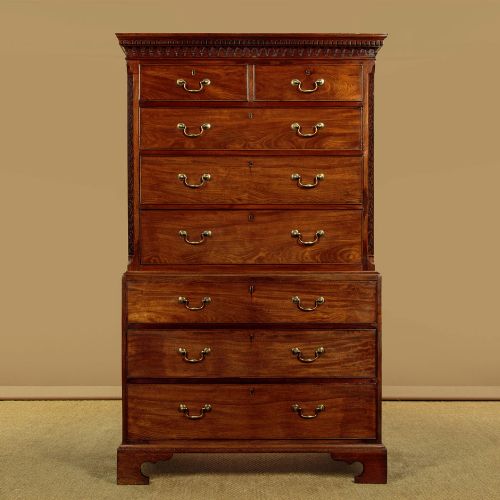
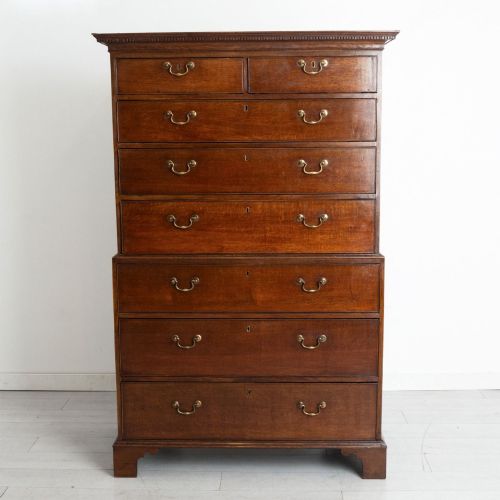
When you search for an antique double tallboy, you are looking at substantial case furniture designed to maximise drawer space without dominating the floor plan. These pieces typically comprise a smaller upper chest mounted directly upon a wider lower chest, creating a commanding silhouette.
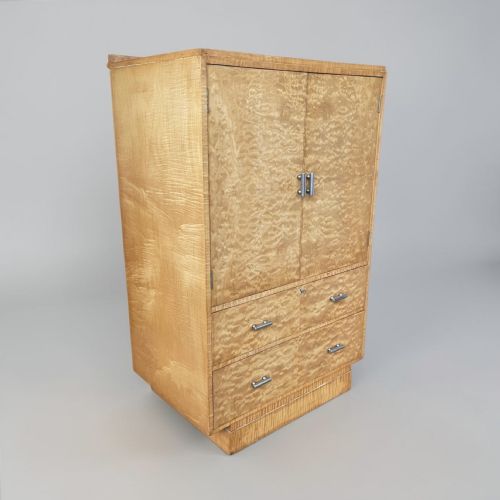
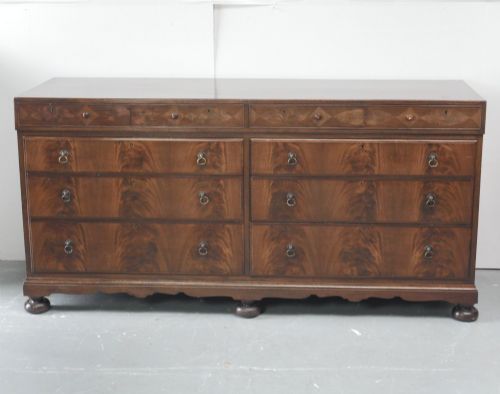
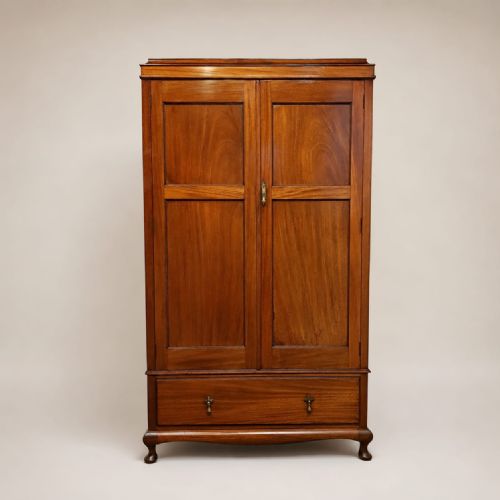
The versions you meet most frequently on this page belong to the Georgian period and the eighteenth century, constructed from timbers like mahogany, oak and walnut. Alongside these classic forms, later twentieth-century interpretations in burr walnut, elm and paint also appear.
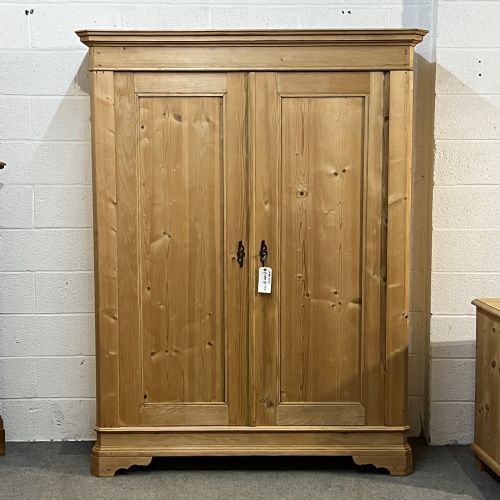
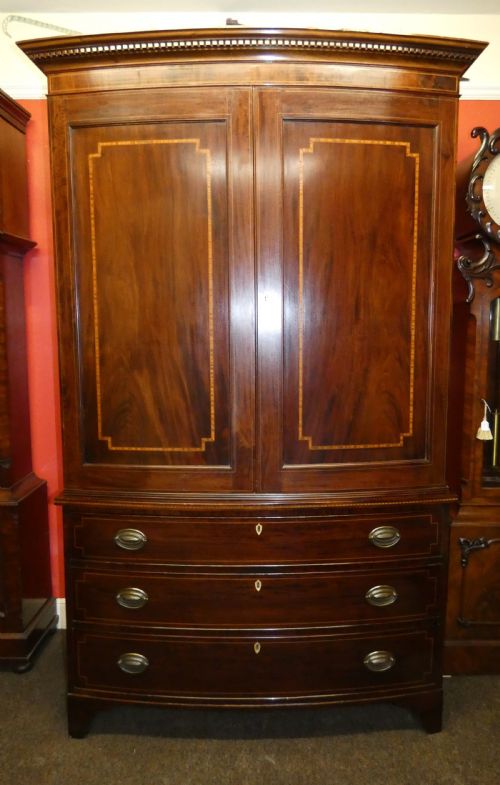
The category encompasses related storage pieces including chest on chest forms, linen presses and tallboy cabinets. Each variant shares the characteristic stacked double-body construction that defines the tallboy tradition.
Materials and Construction
Cabinet makers constructed these pieces primarily from solid hardwoods such as mahogany, oak and walnut, frequently applying figured veneers like burr walnut to drawer fronts and primary surfaces. Secondary timbers like pine often formed the internal drawer linings and carcass backs.
Construction relied on traditional joinery techniques, housing drawers within dovetailed carcasses and incorporating brass handles, escutcheons and sometimes line inlay or blind fret cornices. Surfaces received polished finishes or paint, preserving the natural grain and colour of the wood.
Listings feature periods spanning from the early 18th century through the Georgian era, Edwardian period and into 1930s Art Deco.
Character and Proportion
The distinction between standard examples and finer pieces rests in the selection of timbers and the handling of proportions. Figured veneers, exceptional grain patterns and crisp carving on cornices or blind fretwork elevate certain pieces above simpler provincial workshops.
Original hardware, untouched patination and integrated details such as brushing slides, secretaire drawers or fitted writing compartments distinguish superior examples. The integrity of the original double-body structure and the alignment of the stacked chests determine the enduring character of each piece.
Whytock & Reid
The Antique Double Tallboy Glossary
- Chest on Chest
- A tall storage unit formed of two distinct sections, where a narrower upper chest sits upon a deeper lower chest. This configuration provides ample drawer space within a single vertical footprint.
- Brushing Slide
- A pull-out shelf integrated into the cabinetry, historically used for folding clothes or writing. It sits discreetly between rows of drawers.
- Blind Fret Cornice
- Carved ornamentation applied to the upper moulding of a piece without piercing the wood through. It adds architectural detail to Georgian case furniture.
- Secretaire Drawer
- A top drawer that opens to reveal a fitted writing surface and small pigeonholes. This combines the function of a desk with a tallboy.
- Line Inlay
- Narrow strips of contrasting timber or light wood inserted into the surface to outline panels and drawers. This technique highlights the geometric proportions of the piece.
Antique Double Tallboy: Frequently Asked Questions
What is an antique double tallboy?
An antique double tallboy is a stacked chest-on-chest storage unit featuring an upper section placed upon a larger lower base.
These pieces provide substantial vertical storage capacity while maintaining a compact footprint on the floor.
How do I style a tallboy at home?
Place a tallboy against a sturdy wall in a bedroom or hallway where its vertical height balances other low furniture.
Keep the top surface uncluttered to let the timber grain and proportions command attention in the room.
How can I tell Georgian pieces apart?
Georgian pieces are identified by timber choices like mahogany and walnut, alongside traditional joinery and period brass handles.
Earlier examples from the eighteenth century display distinct cornices and patination compared to twentieth-century revivals.