




Antique Double Rail
These antique double rail pieces combine brass, iron, mahogany, and pine to bring period utility into modern rooms.
Antique Double Rail
When you search for an antique double rail, you encounter a varied group of domestic furnishings spanning the nineteenth and early twentieth centuries. The selection on this page centres on beds, bed frames, towel rails, and coat racks created during the Victorian, Edwardian, and Regency periods.
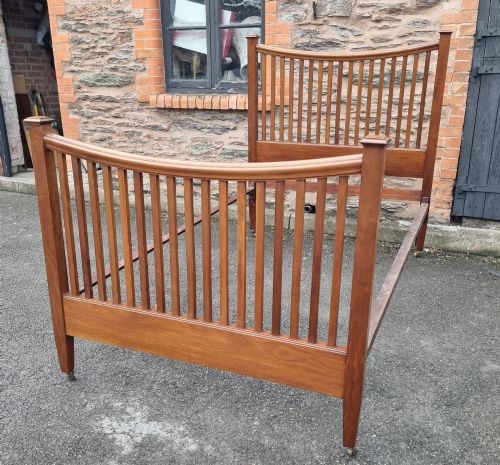
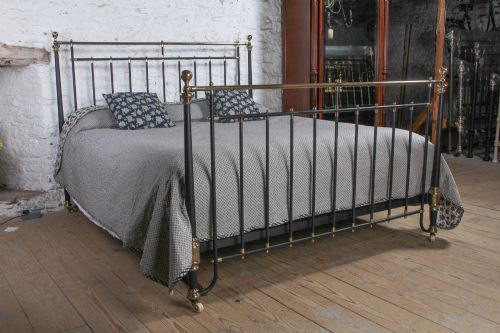
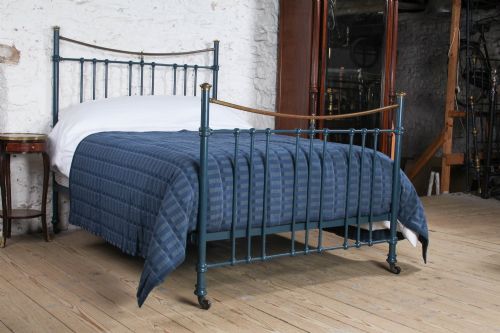
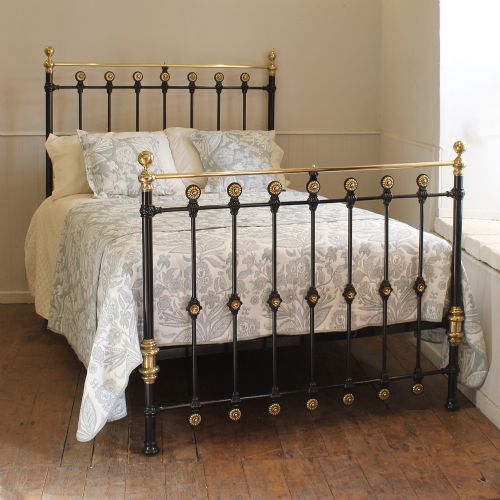
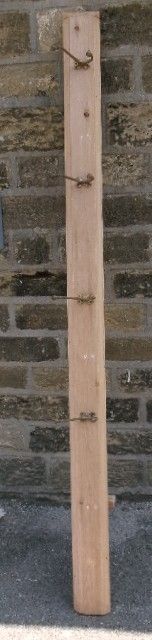
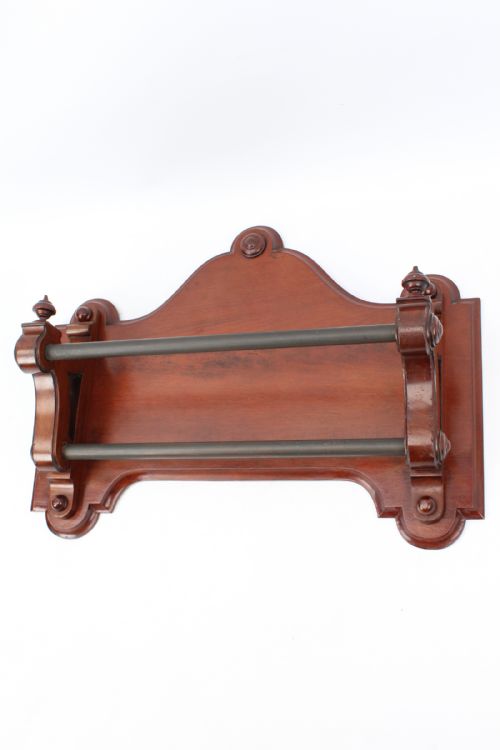
Beds and bedsteads dominate the heavier forms, often pairing iron and brass with wooden panels or side rails. Smaller items like hanging towel rails and coat racks utilise pine, mahogany, and glass with brass hooks or chrome mountings.
Stylistic influences range from grand Regency and ornate Victorian castings to functional Arts & Crafts designs and Edwardian simplicity. Buyers searching this phrase will find pieces intended for both bedroom and hallway utility.
Construction and materials
The makers of these pieces relied on structural metals and dense hardwoods to ensure daily durability. Cast iron and brass form the framework of many beds, complemented by detailed brass casting and fitted castors.
Wooden elements incorporate mahogany, pine, Hungarian ash, and golden pine, often shaped into carved panels or hanging backboards. Smaller wall-mounted items combine glass and chrome mountings with traditional wood supports.
Antique Double Rail Retail Price Guide 2026
Typical asking prices for double rail among the pieces listed under this phrase on Sellingantiques today, from the lower quarter to the upper quarter. They describe what is for sale here now, not the wider market.
Several beds arrive equipped with their original castors, ready to roll across the floor just as they did in nineteen-ten.
Judging the range
Quality across these pieces rests on the intricacy of the metal castings and the selection of timber. Finer examples display elaborate brass detailing and solid mahogany frames rather than plain finishes.
Construction methods also separate standard items from superior ones, visible in the joinery of wooden backboards and the original state of the hardware.
The Antique Double Rail Glossary
- Cast iron
- A sturdy alloy poured into moulds to create rigid bed frames and structural components. It forms the heavy base for many nineteenth-century designs.
- Hungarian ash
- A distinctive European timber utilised for decorative bed surfaces. It provides a figured grain pattern seen on Victorian pieces.
- Backboard
- The wooden mounting plate used to secure hooks or rails to a wall. Pine and mahogany serve as the primary woods for these supports.
- Castor
- A small wheel fitted to the legs of furniture to allow smooth movement. They appear on heavier bedframes from the Edwardian period.
- Scroll-ended
- A furniture profile featuring curved ends reminiscent of a scroll. This shape defines certain Regency sofas and bed designs.
Antique Double Rail: Frequently Asked Questions
What rooms suit an antique double rail bed?
These beds fit standard bedroom spaces where a historic centrepiece is desired. Their mix of metal and wood allows them to sit comfortably in both period and contemporary interiors.
Larger rooms accommodate the ornate brass and iron bedsteads best, while simpler panelled designs suit more compact guest rooms.
How do I mount a wooden hanging rail?
Wall-mounted towel rails and coat racks require secure fixing into solid masonry or wall studs. The pine or mahogany backboards feature pre-determined points for stable attachment.
Ensure the fixings match the weight of the timber and any items hung upon the brass hooks.
Are brass and iron beds easy to dismantle?
Most nineteenth-century metal beds utilise slot-in side rails and bolted joints for straightforward transport. The components separate into headboards, footboards, and side rails.
Keep all original bolts and castors together during any movement to maintain the structural integrity.
How do I identify a Victorian bed frame?
Victorian pieces typically display heavier iron construction combined with brass finials and decorative castings. Look for maker stamps or the characteristic weight of cast iron components.
Stylistic cues include ornate brass detailing and turned wooden elements associated with nineteenth-century workshops.