



Antique Double Height Cupboard
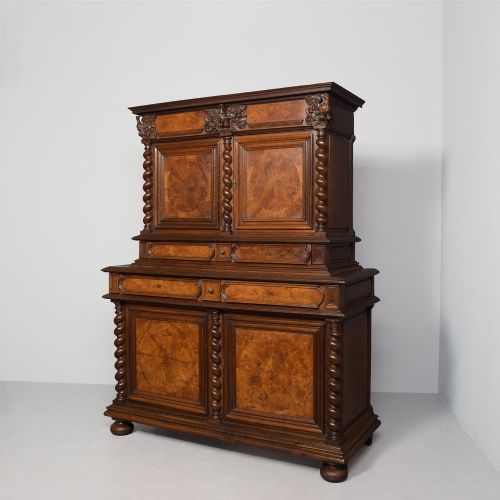
An antique double height cupboard brings substantial presence and deep storage to a room, uniting two distinct tiers of timber work.
Antique Double Height Cupboard
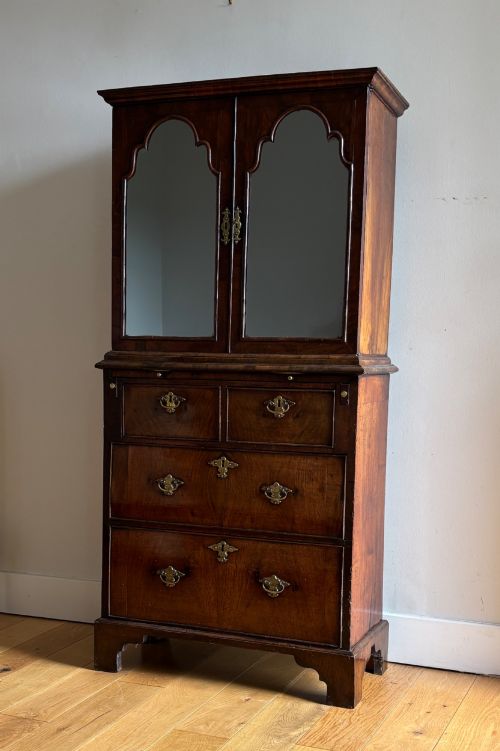
When you search for an antique double height cupboard, you encounter striking architectural forms built to maximise storage across vertical space. These pieces often split into two distinct sections, combining upper display or storage areas with lower cabinet compartments.
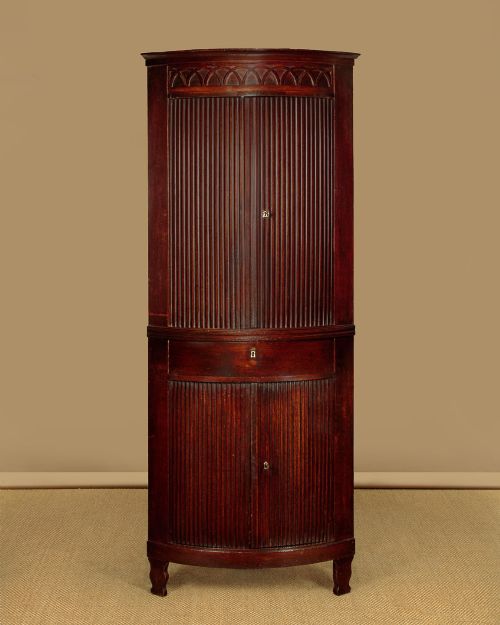
The selections available here draw from the eighteenth and nineteenth centuries, spanning Georgian, Regency, and Edwardian periods. You will frequently meet corner cabinets, standing display units, and cabinets on chests constructed from rich hardwoods.
Makers and cabinetmakers of the past utilised these tall proportions to anchor grand interiors, arranging shelves and panelled doors with careful symmetry. Each piece reflects the specific domestic requirements of its era, from corner placement to grand architectural facades.
How they were made
Craftsmen built these cupboards using solid timbers alongside finely selected veneers, frequently employing mahogany and walnut across the primary surfaces. Figured walnut veneer and satinwood inlay appear on select examples, adding decorative contrast to the structured grain.
Joinery methods involved sturdy internal framing to support the heavy dual-tier weight, paired with brass hardware for hinges and key escutcheons. Glass panels feature in the upper sections of display variants, framed by wooden glazing bars that demand precise carpentry.
Antique Double Height Cupboard Retail Price Guide 2026
Typical asking prices for double height cupboard among the pieces listed under this phrase on Sellingantiques today, from the lower quarter to the upper quarter. They describe what is for sale here now, not the wider market.
Listings for double height cupboards feature woods including mahogany, walnut, oak, and satinwood, spanning the eighteenth to the twentieth centuries.
What varies in quality
The distinction between ordinary and exceptional examples rests in the selection of timber figure and the crispness of inlay work. Finer pieces display continuous grain matching across doors and drawers, alongside sophisticated marquetry and well-proportioned cornices.
Construction integrity also dictates the grade of a piece, separating workshops that utilised standard joints from those employing advanced cabinetmaking techniques. Original brass fittings and undisturbed surface patination further elevate the standing of an antique cupboard.
Edwards And Roberts
The Antique Double Height Cupboard Glossary
- Cabinet on chest
- A two-part storage furniture form featuring an upper cabinet seated directly upon a lower chest of drawers. This arrangement provides significant vertical capacity while maintaining distinct horizontal proportions.
- Marquetry
- The art of applying decorative veneer pieces in geometric or pictorial patterns onto a structural surface. Craftsmen used contrasting woods such as satinwood to create detailed visual motifs.
- Secretaire cabinet
- A storage piece containing a dedicated writing drawer or pull-down flap with internal pigeonholes and small compartments. It merges the utility of a desk with the enclosed storage of a cupboard.
- Glazing bars
- The wooden strips that hold individual panes of glass within a cabinet door or window. Their arrangement shapes the visual character of upper display sections.
- Patina
- The surface sheen and colour depth developed by wood and metal over long periods of handling and exposure. It serves as a visual indicator of age and careful preservation.
Antique Double Height Cupboard: Frequently Asked Questions
What is a double height cupboard?
A double height cupboard is a tall storage furniture piece typically constructed in two distinct stacked sections. These units often combine lower wooden compartments with upper display areas or secondary cabinet doors.
They serve to maximise vertical storage capacity while introducing strong architectural lines to domestic interiors.
How were these cupboards used historically?
Historically, these tall cupboards served primary storage roles in dining rooms, libraries, and grand hallways. Upper sections often displayed fine china or books behind glass doors, while lower compartments kept household items out of sight.
Their substantial vertical presence allowed households to store large quantities of possessions within a single footprint.
Where should I place one?
Placing an antique double height cupboard requires careful consideration of ceiling height and wall space proportions. Corner variants fit neatly into unused angles, while flat-fronted pieces suit prominent focal walls in living spaces or dining rooms.
Ensure the room has sufficient clearance to accommodate the physical mass and door swing of a tall cabinet.
How do I identify the period?
Identifying the period involves examining the primary timbers, hardware, and decorative styles present on the cabinet. Eighteenth-century pieces frequently feature walnut and distinct Georgian proportions, whereas later nineteenth-century examples incorporate specific revival motifs or marquetry.
Construction details, such as internal joinery and backboard thickness, offer further clues to the exact era of manufacture.