


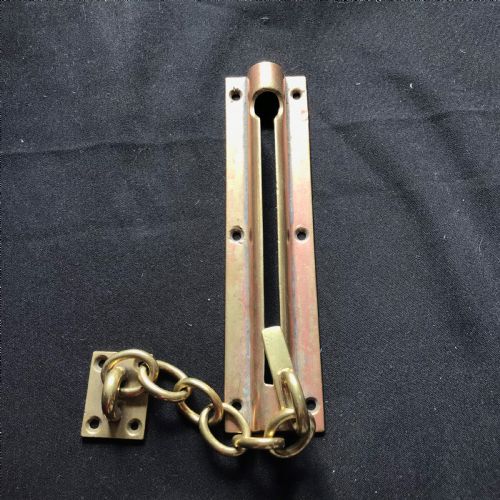

Antique Door Lock
An antique door lock secures a heavy timber entrance while showing centuries of domestic ironmongery and brass work.
Antique Door Lock
An antique door lock represents architectural salvage designed to secure timber doors across domestic and institutional interiors. These mechanisms appear in formats ranging from simple box locks to elaborate rim locks equipped with original keys.
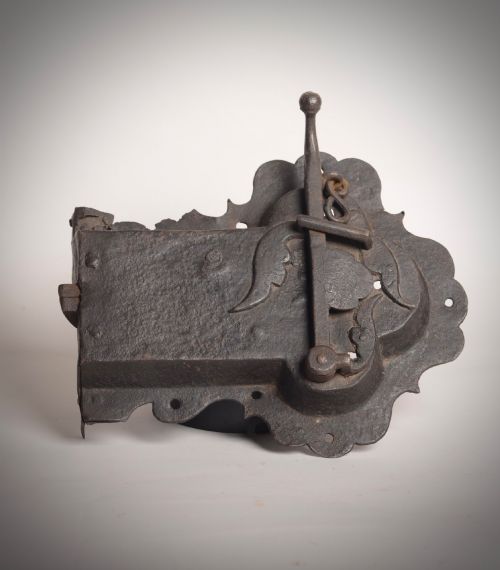
The versions most commonly met on this page span the Georgian, Victorian, and Edwardian periods, constructed from durable metals mounted to timber housings. Early examples reach back to the sixteenth and seventeenth centuries, displaying hand-forged ironwork and heavy oak casings.
Buyers encounter these items functioning as genuine architectural hardware salvaged from historic buildings, alongside occasional cabinet locks and related storage furniture. Each piece retains the mechanical arrangement required to operate a period door.
How they were made
Makers utilised cast and wrought iron, polished steel, and solid brass for the internal mechanisms, faceplates, and keeps. These metallic components combined with robust wooden elements such as oak cases and pine housings to create sturdy locking units.
Blacksmiths and locksmiths shaped the iron components by hand during earlier eras, producing visible hammer marks and tactile surface textures. Later Victorian and Edwardian production introduced finer brass embellishments and machine-finished steel parts.
A tiny brass night chain once kept Georgian householders secure while allowing hesitant callers to state their business through a narrow gap.
What varies in quality
Quality reveals itself in the complexity of the internal spring mechanism and the retention of matching components like keeps and working keys. Pieces with complete, original hardware display a higher degree of historical integrity.
The thickness of the brass plate or the weight of the wrought iron casing indicates the standard of manufacture. Finer examples exhibit careful filing and decorative embellishments rather than plain utilitarian casting.
The Antique Door Lock Glossary
- Rim lock
- A mechanical lock housed in a metal or wooden box mounted directly onto the surface of a door rather than mortised inside it. These units remained standard for centuries on heavy interior and exterior timber doors.
- Box lock
- A self-contained locking mechanism enclosed within a sturdy wooden case, frequently constructed from oak. This format protected the internal iron levers and springs from dust and moisture.
- Stock lock
- A heavy-duty lock mounted in a timber block, often utilised on external gates or heavy doors. They represent traditional joinery combined with robust blacksmith work.
- Keep
- The metal bracket or box fitted to the door frame to receive the bolt when the lock is thrown. Surviving keeps matching the original lock add considerable historical value.
- Spring bolt latch
- A sprung mechanism that holds a door closed without throwing the main deadbolt. These allowed doors to latch shut automatically during daily use.
Antique Door Lock: Frequently Asked Questions
Can I fit an antique door lock today?
Many period locks remain in working order and can be fitted to suitably thick internal doors by a knowledgeable carpenter. Adjustments to the keep or internal springs may be necessary for daily operation.
Buyers should check the dimensions and hand of the lock to ensure it matches the swing and thickness of the target door before attempting installation.
How do I date an old door lock?
Dating relies on the materials, fastening methods, and overall architectural style of the casing and brasswork. Hand-forged wrought iron and heavy oak cases generally indicate earlier seventeenth or eighteenth-century origins.
Later Victorian and Edwardian examples often feature machine-stamped brass plates, polished steel components, and standardised keyways that reflect industrial manufacturing shifts.
Do these old locks still include working keys?
Some pieces retain their original hand-cut iron or brass keys that operate the internal levers smoothly. Other examples are sold without keys or require specialist attention to function.
Listings specify whether a key or matching keep accompanies the lock, which affects both decorative display and practical use.