



Antique Dome Light Shade
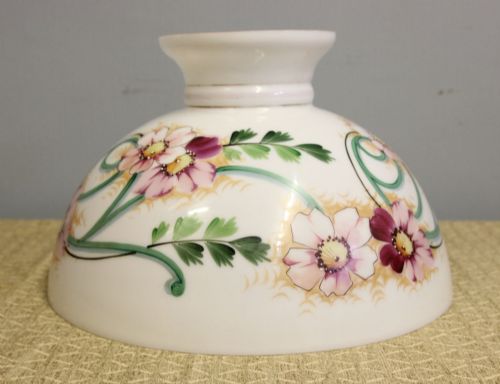
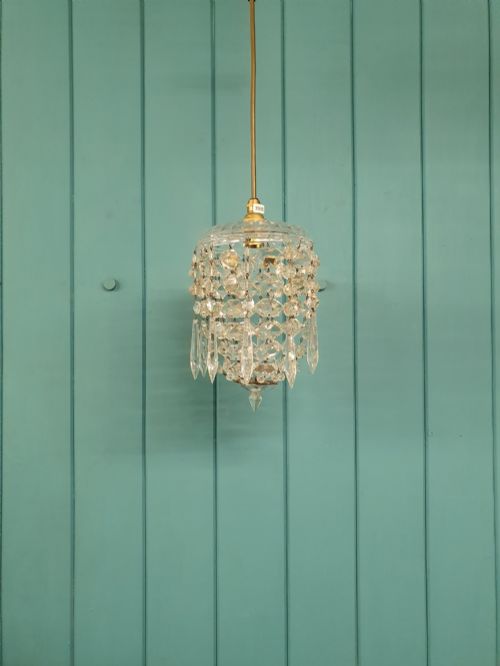
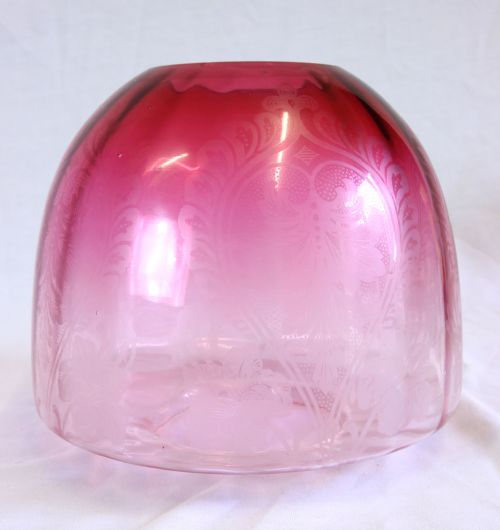
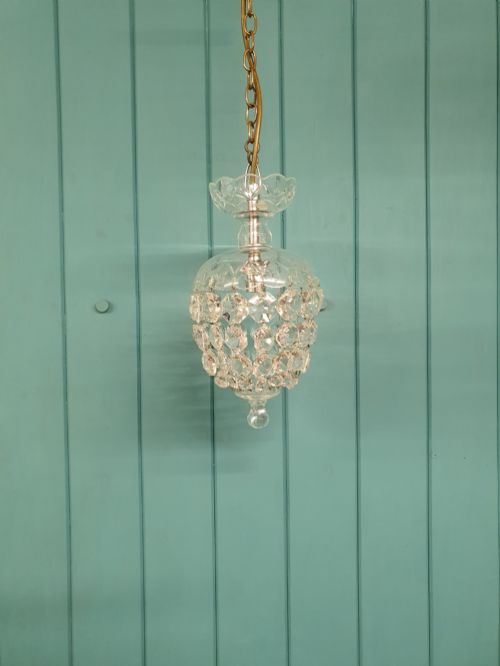
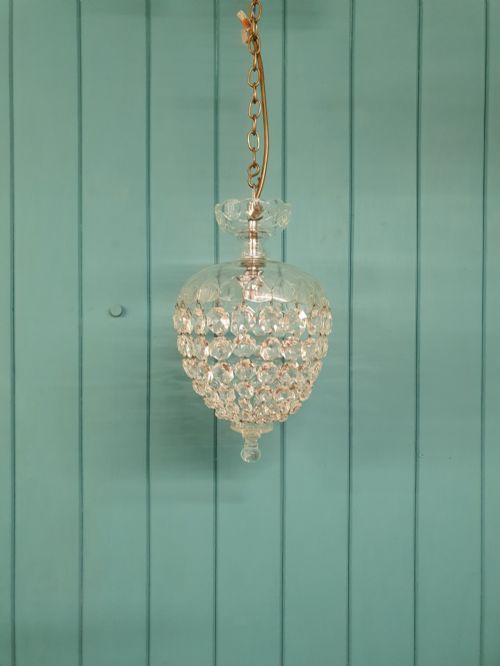
These antique dome light shade options deliver focused illumination, most frequently meeting you as Edwardian cut glass crystal pendants and Victorian oil lamp shades.
Antique Dome Light Shade
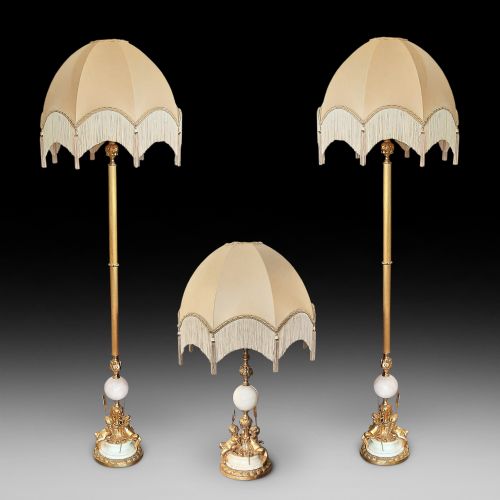
An antique dome light shade brings curved geometry and historical craftsmanship to interior lighting. When you search for an antique dome light shade, you encounter diverse forms ranging from pendant lights and chandeliers to table lamps and ceiling lighting.
The pieces listed on this page span the Victorian era, the Edwardian period, the 1920s and 1930s, right through to 1940s designs. You will most commonly find compact six-inch and eight-inch dome top chandeliers alongside assorted hanging oil lamp shades and table lamps.
Origins and design influences stretch across British, French, and North American aesthetics. Styles encompass Art Deco, Jugendstil, Industrial, Rococo Revival, and Neoclassical Revival alongside standard Victorian and Edwardian outputs.
How they were made
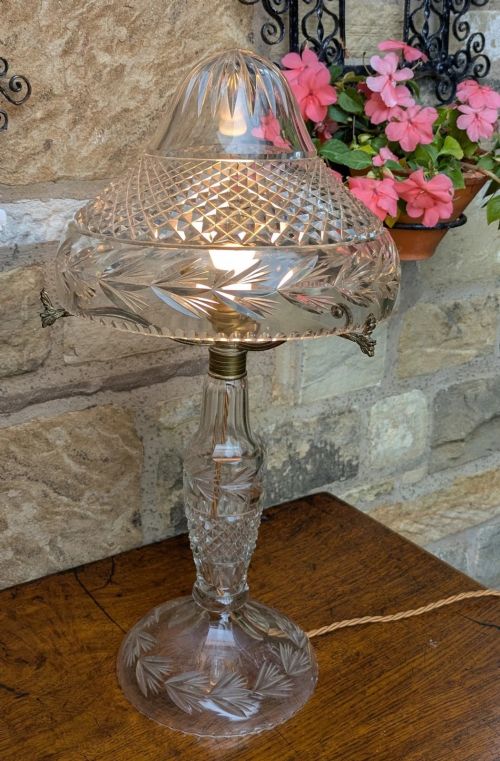
Glass production forms the backbone of these pieces, utilising techniques in cut glass, lead crystal, etched glass, opaline painted glass, and cranberry glass. Makers shaped molten material into curved domes, often pairing the glass with metal mounts.
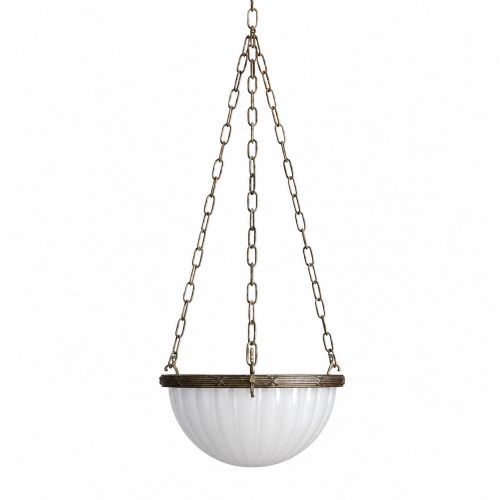
Metalwork complements the glass elements through the use of brass, copper, bronze, and gilt bronze. These metals provide structural integrity for lanterns, lamp bases, and ceiling fittings, while enamel surfaces appear on specific industrial factory pendants.
Antique Dome Light Shade Retail Price Guide 2026
Typical asking prices for dome light shade among the pieces listed under this phrase on Sellingantiques today, from the lower quarter to the upper quarter. They describe what is for sale here now, not the wider market.
Listings feature glass, crystal, brass, bronze, and fabric materials across Victorian, Edwardian, and Art Deco styles.
What varies in quality
Quality reveals itself in the depth of glass cutting and the clarity of the crystal or etched patterns. Superior examples display crisp, precise facets that catch the light effectively, whereas lesser pieces show softer edges and simpler moulding.
The choice and execution of mounting hardware also distinguish different tiers of manufacture. Heavier cast bronze or substantial brass fittings indicate higher grade production compared to lighter, more utilitarian metal components.
Stuart Crystal·Jefferson
The Antique Dome Light Shade Glossary
- Dome top
- A rounded upper profile characteristic of certain chandeliers and light shades. This shape directs illumination downwards while containing the bulb or burner.
- Opaline glass
- A milky, translucent glass popular in Victorian and Edwardian lighting. It softens light output and diffuses glare evenly across the room.
- Jugendstil
- The continental European variant of Art Nouveau dating to the late nineteenth and early twentieth centuries. It favours organic, plant-inspired motifs in metalwork and glass.
- Downlighter
- A lighting fixture designed to project illumination directly downwards towards a surface or floor. Examples include specific mid-century French hanging fittings.
- Cut crystal
- High-purity glass faceted by grinding and polishing wheels. The resulting cuts refract light into distinct prismatic reflections.
Antique Dome Light Shade: Frequently Asked Questions
What periods do these shades come from?
The pieces span the late nineteenth century through to the 1940s, encompassing Victorian, Edwardian, and Art Deco eras. You will find items dated across the 1890s, 1910s, 1920s, and 1930s.
Design characteristics shift across these decades from ornate revival styles to cleaner industrial and modernist geometric lines.
How were these light shades originally used?
Many early examples functioned as oil lamp shades before subsequent conversion to electricity. Others served as pendant lights, factory fittings, and table lamps.
Ceiling mounted dome shades provided ambient room illumination, while smaller table versions offered targeted task lighting in domestic interiors.
Can I hang a dome pendant in a modern room?
These shades integrate successfully into contemporary interiors by adding historic texture and curved silhouettes. Their varied styles suit hallways, kitchens, and living spaces alike.
Rewiring by a qualified electrician ensures modern safety standards while retaining the original shade structure.
How do I distinguish Edwardian from Victorian glass?
Victorian shades frequently feature rich coloured glass such as cranberry hues or opaline painted finishes, often associated with oil lamps. Edwardian examples often lean towards clear cut crystal and geometric dome top chandeliers.
Stylistic cues in the accompanying brass or bronze mounts also help separate the late nineteenth-century pieces from early twentieth-century production.