




Antique Doll Figures
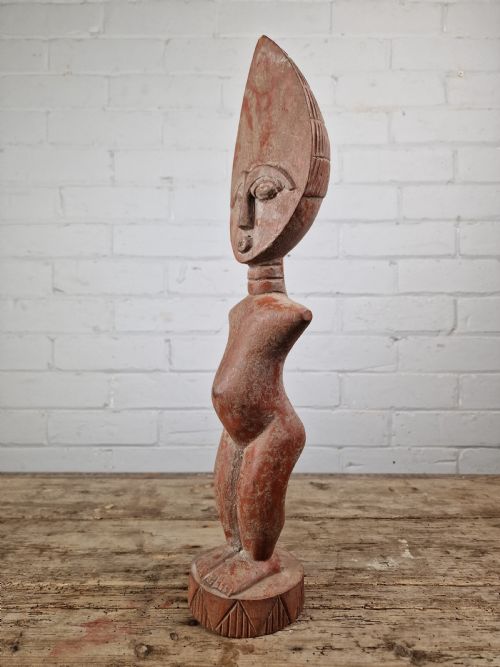
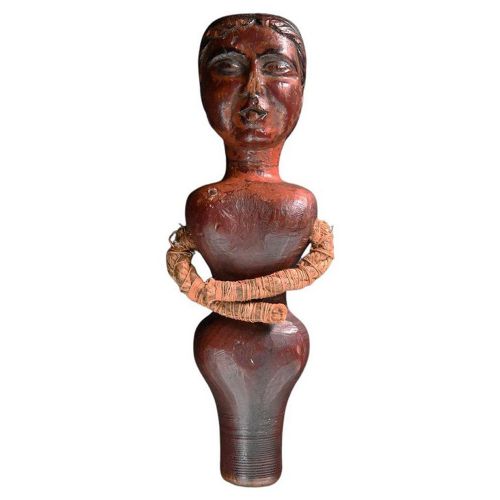
These antique doll figures range from fully articulated artist lay figures to folk art jigger dolls, offering rich textures and historic character for any interior.
Antique Doll Figures
Antique doll figures encompass a diverse group of carved and sculpted representations, including artist lay figures, puppets, religious statues, and traditional jigger dolls. When you explore antique doll figures, you encounter pieces spanning the nineteenth and early twentieth centuries, created across English, French, Italian, American, and Middle Eastern traditions.
The most common forms on this page include articulated wooden mannequins used by artists alongside folk art jigger dolls dressed in period attire such as top hats and tails. Other notable examples range from processional figures and bedpost carvings to porcelain piano babies and pin cushion dolls from the Art Deco era.
Origins vary widely, with English folk art examples appearing alongside French artist models, Italian religious pieces, and Middle Eastern puppets. Each category serves a distinct purpose, moving from functional studio tools and religious devotion to popular entertainment and domestic ornamentation.
How they were made
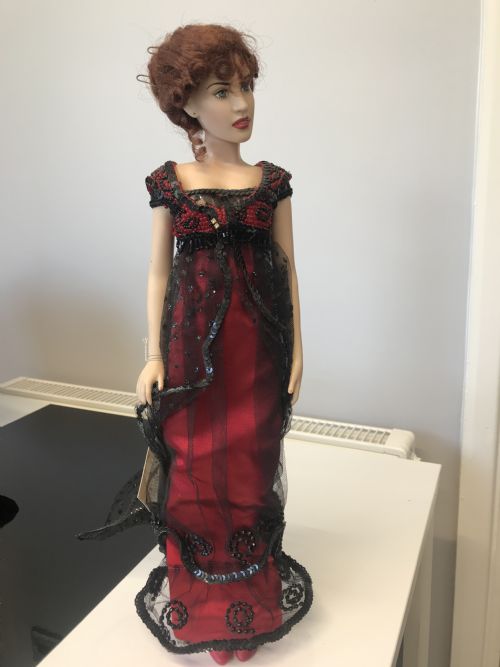
Textiles play a vital role in finishing many of these figures, incorporating materials such as silk, cotton, and sequins for garments and accessories. Bisque porcelain and ceramic compositions also appear in domestic decorative types like piano babies and pin cushion dolls.
Antique Doll Figures Retail Price Guide 2026
Typical asking prices for doll figures among the pieces listed under this phrase on Sellingantiques today, from the lower quarter to the upper quarter. They describe what is for sale here now, not the wider market.
Listings feature items spanning the nineteenth and early twentieth centuries, utilising materials such as carved wood, gesso, bisque, silk, and cotton.
What varies in quality
Quality in these figures rests upon the precision of the carving and the complexity of the articulation mechanisms found in wooden mannequins. Finer examples display fluid anatomical proportions and well-preserved joints that move smoothly without excessive looseness.
The preservation of original surface treatments, including hand-applied paint and delicate textiles like silk or sequins, significantly elevates a piece. Superior folk art and religious figures exhibit stronger individual character and more detailed craftsmanship in the facial expressions and drapery.
The Antique Doll Figures Glossary
- Artist Lay Figure
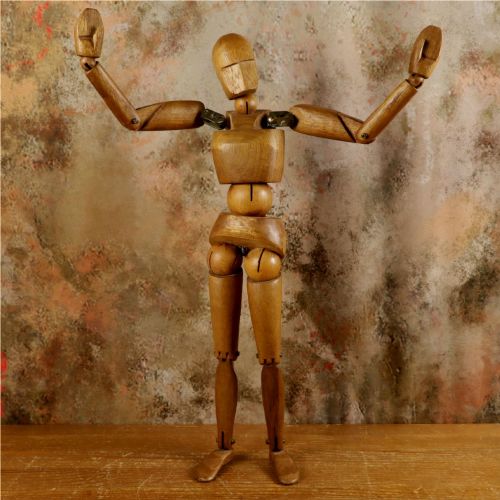
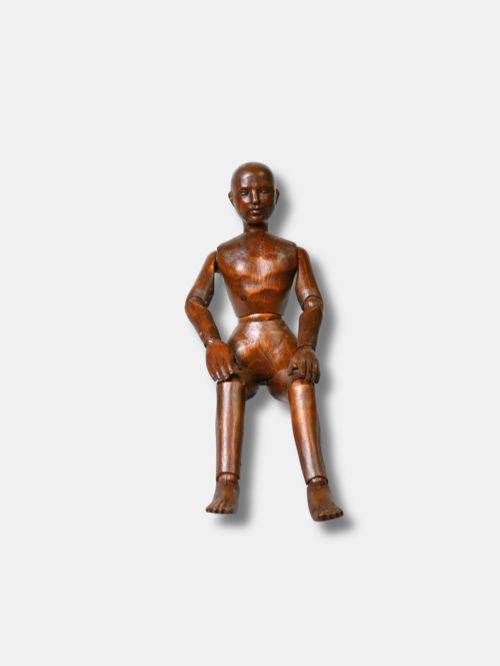
- A wooden mannequin with movable joints used by painters and sculptors to study drapery and human anatomy. These pieces are often fully articulated.
- Jigger Doll
- A type of folk art dancing toy designed to bounce or tap rhythmically on a board when manipulated. English and American examples often feature tailored clothing like top hats and tails.
- Santos Figure
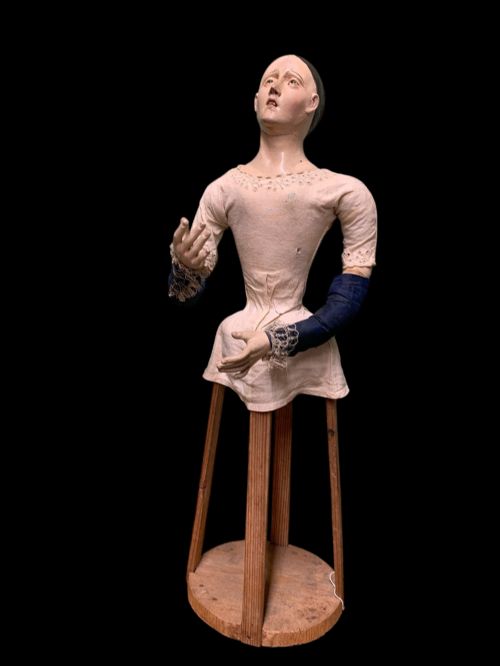
- A carved wooden religious statue representing a saint or holy figure, frequently used in processions or domestic shrines. Italian and general nineteenth-century examples often display traditional hand-carved finishes.
- Gesso
- A plaster-like mixture applied to wood surfaces to create a smooth base for painting and gilding. It is commonly found beneath the painted finishes of historic figures and mannequins.
Antique Doll Figures: Frequently Asked Questions
What is an artist lay figure?
An artist lay figure is a wooden mannequin with movable joints constructed to help painters and sculptors study human anatomy and drapery. These pieces were standard studio equipment in the nineteenth century.
They range from simple wooden forms to fully articulated models with intricate metal or wooden joints that allow them to hold complex poses for extended periods.
How were jigger dolls used?
Jigger dolls were traditional folk art toys designed to dance or tap rhythmically on a thin wooden board when a user vibrated the surface. They provided popular entertainment in homes and public spaces.
Many examples wear period clothing such as top hats and tails, reflecting the fashion of the early twentieth century when English and American makers produced them.
What are Santos figures?
Santos figures are carved wooden statues representing saints or religious figures, used primarily in devotional processions, churches, or private home shrines. Italian and nineteenth-century examples often feature expressive hand-carved details.
These sculptures were frequently dressed in real textiles, including cotton and silk garments, to enhance their lifelike appearance during religious ceremonies.
How do I tell periods apart?
Identifying the period of these figures depends on examining the materials, clothing styles, and manufacturing techniques used in their construction. Nineteenth-century pieces often feature hand-carved wood and gesso, while twentieth-century examples incorporate distinct folk art painting styles or Art Deco aesthetics.
Clothing fabrics like silk and sequins, alongside specific maker marks on porcelain types, also provide clear chronological markers for dating.