

Antique Dog Clip
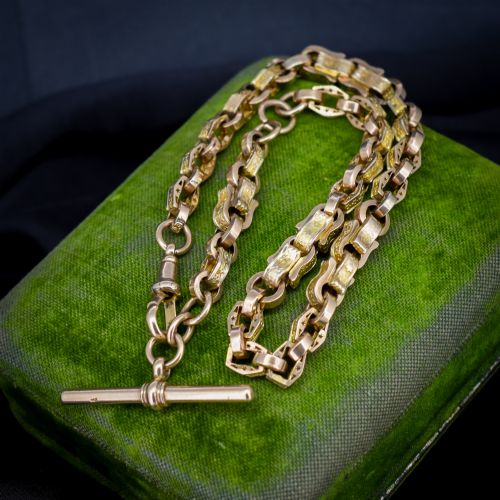
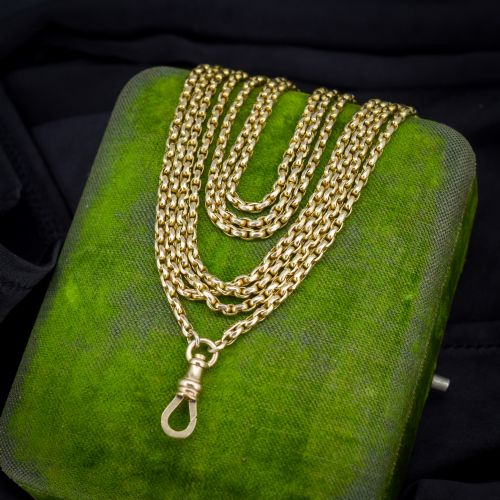
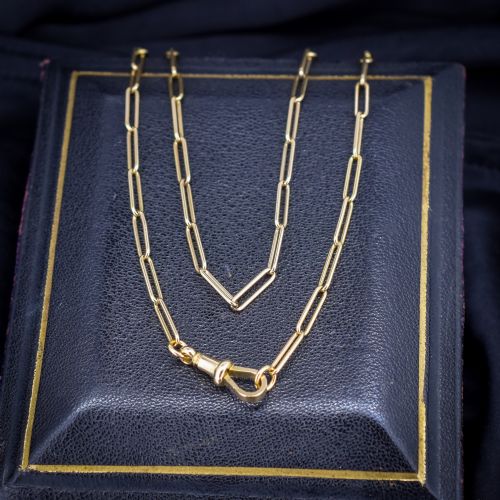
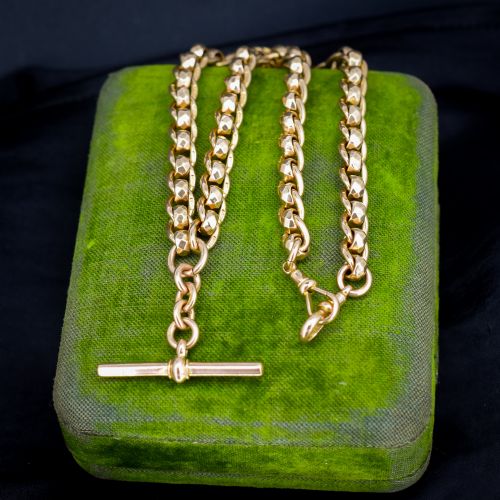
An antique dog clip is a secure spring-loaded swivel fastening originally used to secure pocket watches to waistcoats, now worn as a versatile necklace or bracelet connector.
Antique Dog Clip
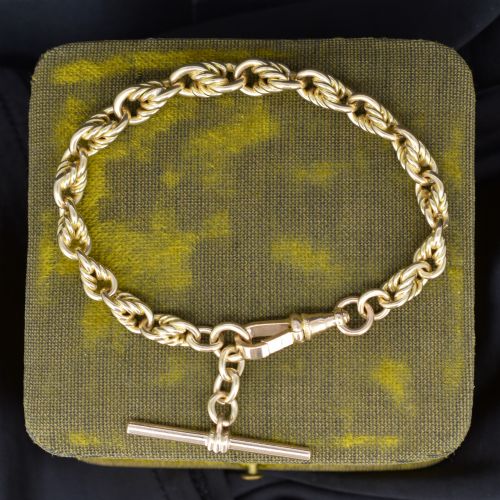
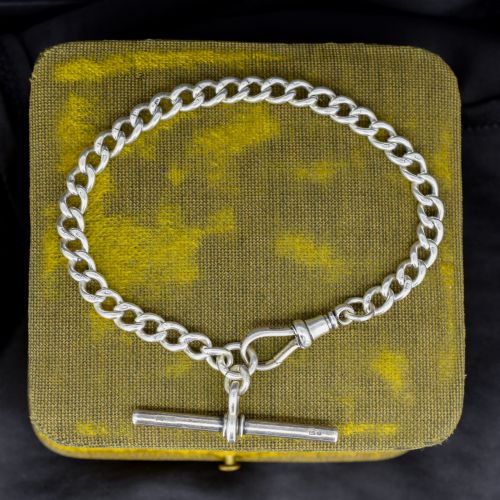
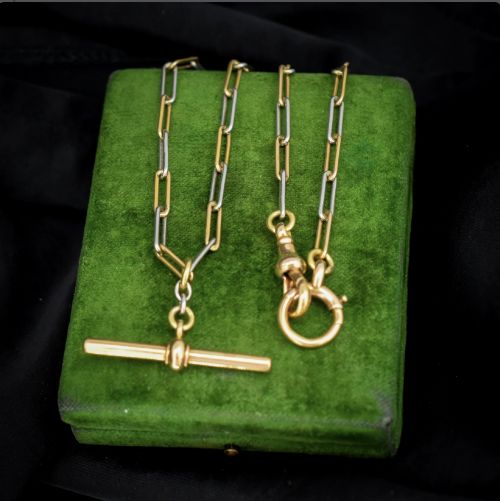
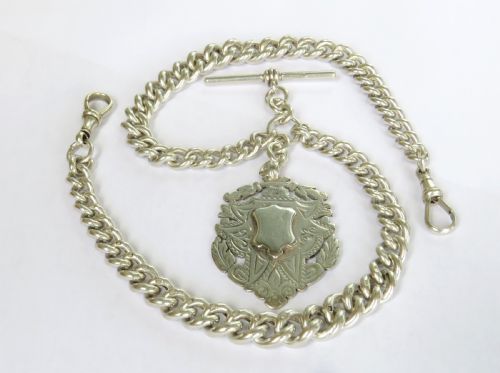
An antique dog clip is fundamentally a functional jewellery component that has transitioned into a wearable focal point. When exploring an antique dog clip, a buyer typically encounters pieces originating from the Victorian, Edwardian, and Art Deco periods.
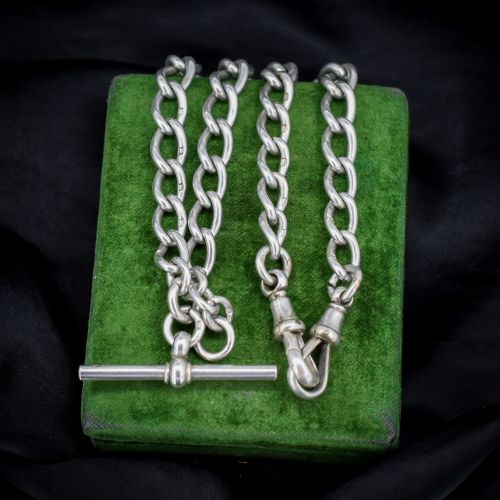
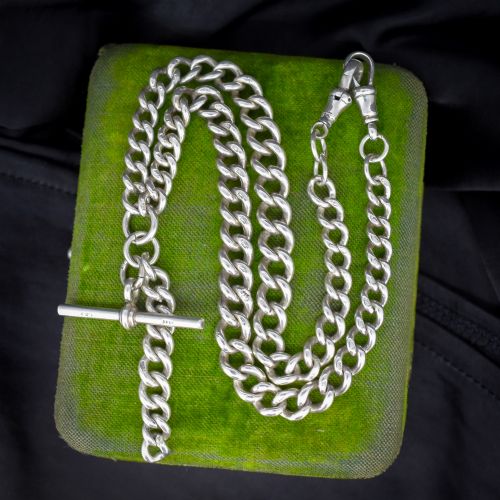
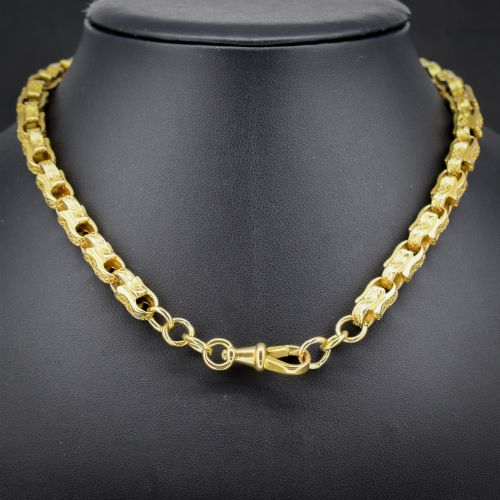
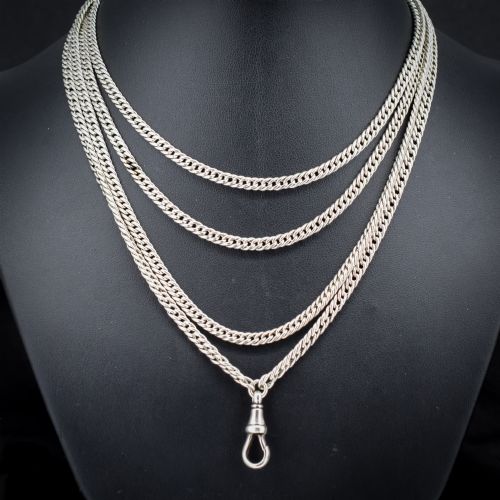
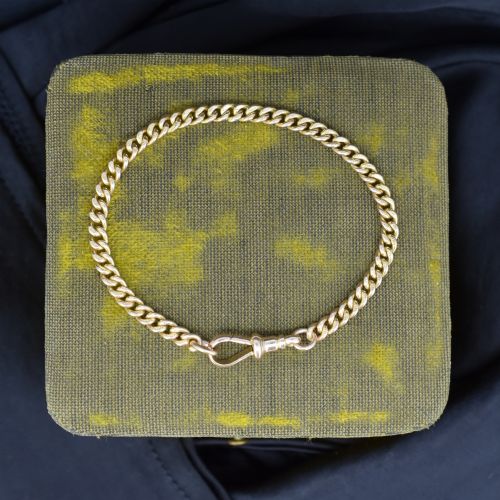
These clasps most frequently appear attached to pocket watch chains, albert chains, guard chains, muff chains, and bracelets. They serve both as secure fasteners for watches and charms and as decorative elements on heavy curb, trombone, and fancy link chains.
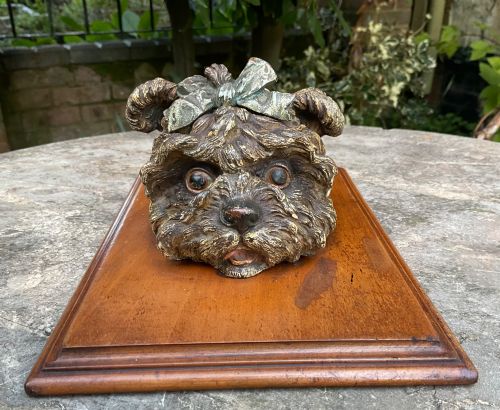
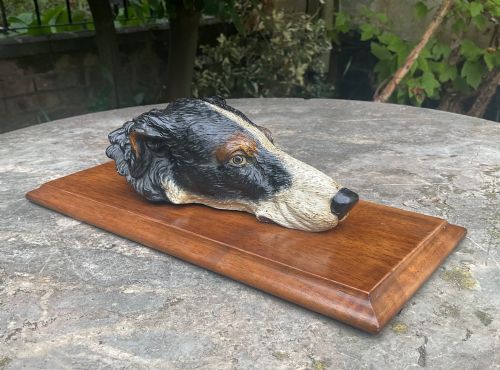
While the majority of items are jewellery pieces fashioned from gold or silver, the category also encompasses sculptural desk accessories such as figural bronze and brass letter clips shaped as greyhounds, spaniels, and terriers.
How They Were Made
The construction of an antique dog clip relies on precious metals such as sterling silver and varying carats of gold, including 9ct, 15ct, and 18ct yellow, rose, and white gold, alongside rolled gold and bronze.
Metals were hand-forged, cast, or drawn into specialised link formations like curb, belcher, rolo, and trombone patterns, with individual components joined by soldered rings and fitted with internal steel springs to operate the snap-shut mechanism of the clip.
Antique Dog Clip Retail Price Guide 2026
Typical asking prices for dog clip among the pieces listed under this phrase on Sellingantiques today, from the lower quarter to the upper quarter. They describe what is for sale here now, not the wider market.
What Varies in Quality
Quality in these pieces is dictated by the gauge of the metal, the weight and complexity of the accompanying chain links, and the crispness of the casting on figural pieces.
Substantial gram weights, robust internal spring tension within the swivel mechanism, and clear hallmarks or date letters elevate a piece above standard utility items.
The Antique Dog Clip Glossary
- Dog clip
- A spring-loaded clasp featuring a lever-operated tongue and a swivel base, designed originally for watch chains.
- Albert chain
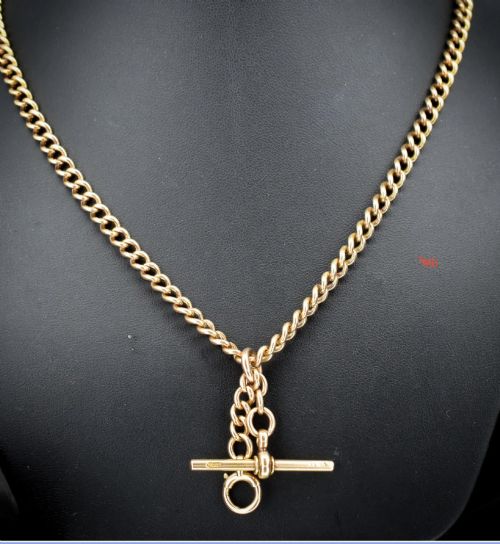
- A pocket watch chain named after Prince Albert, typically featuring one or two dog clips and a T-bar.
- T-bar
- A crossbar toggle attached to a watch chain, designed to slip through a waistcoat buttonhole.
- Longguard chain
- An extra-long necklace, often measuring over fifty inches, worn doubled or tripled around the neck.
- Trombone link
- A jewellery link pattern composed of alternating elongated rectangular bars and small circular links.
Antique Dog Clip: Frequently Asked Questions
How do I wear a dog clip chain?
These chains can be worn long as a single strand, doubled around the neck as a shorter necklace, or wrapped multiple times to form a heavy bracelet.
The dog clip itself can be attached directly to any link to adjust the length, or used to suspend a charm, pendant, or pocket watch.
What is the difference between an albert chain and a guard chain?
An albert chain is a shorter, heavier chain designed to span a waistcoat pocket, featuring a T-bar at one end and one or two dog clips at the other.
A guard chain or muff chain is significantly longer and designed to be slipped directly over the head without undoing the clasp.
How can I tell the gold carat?
Many pieces carry British hallmarks stamped directly onto the metal, indicating the assay office, year, and purity such as 9ct, 15ct, or 18ct gold.
Pieces lacking clear stamps rely on metal testing or the distinct warm hue of the alloy, particularly older rose and yellow gold variations.
Are desk letter clips made of the same materials?
Desk letter clips are distinct sculptural objects, usually cast in bronze, brass, or gilded metal rather than precious gold jewellery alloys.
They depict figural animals such as greyhounds or spaniels and function as paper grips rather than wearable items.