





Antique Dixons Silver
Antique Dixons silver brings together solid silver and silver plate barware, flasks, and table pieces spanning the Victorian to mid-twentieth-century periods.
Antique Dixons Silver
When searching for antique Dixons silver, buyers encounter functional and decorative domestic items produced by the notable Sheffield firm James Dixon and Sons. The selection ranges widely across utility and display, encompassing drinking vessels, dining table accessories, and barware.
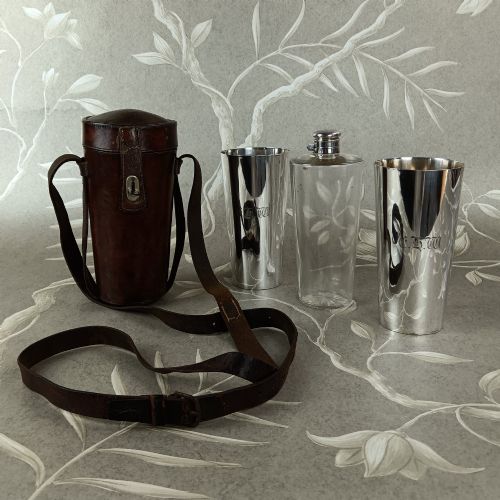
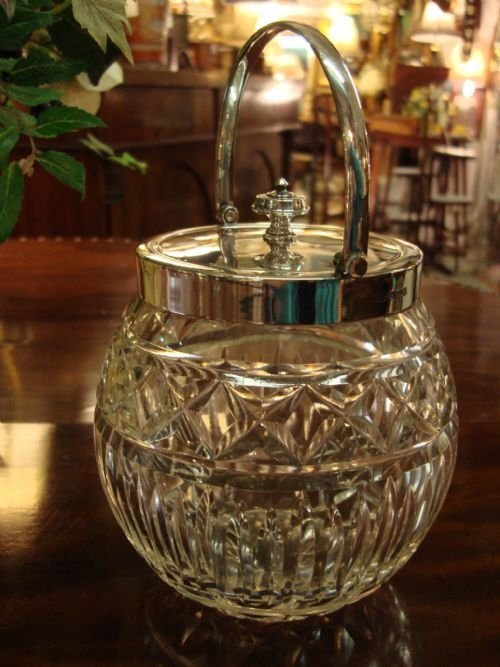
Hip flasks and cocktail shakers dominate the smaller functional items, alongside sugar sifters and biscuit barrels. Larger domestic wares include drinks trays, wine coolers, fruit baskets, and intricate pierced centrepieces.
The periods represented span from the nineteenth century through the Edwardian era and into the 1930s and 1940s. Silver plate and sterling silver form the primary structural materials for these objects, frequently combined with glass, leather, and cork.
How they were made
Manufacturing methods rely heavily upon traditional silversmithing techniques alongside silver plating over base metals such as nickel silver and copper. Pierced-work centrepieces and baskets demonstrate careful hand-piercing and metal shaping executed in Sheffield workshops.
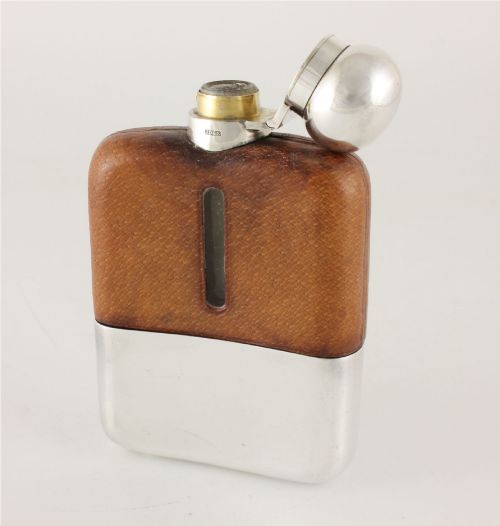
Combination pieces integrate organic and inorganic materials into the metal framework. Glass inserts, opaline glass bodies, and cut glass barrels pair with sterling silver mounts, while hip flasks incorporate stitched leather bindings and cork stoppers.
Antique Dixons Silver Retail Price Guide 2026
Typical asking prices for dixons silver among the pieces listed under this phrase on Sellingantiques today, from the lower quarter to the upper quarter. They describe what is for sale here now, not the wider market.
Some flasks feature crocodile skin and locking caps, ensuring nineteenth-century travellers kept their spirits secure on the move.
What varies in quality
The standard of craftsmanship shows in the weight of the metal and the crispness of pierced or chased ornamentation. Solid silver pieces with clear hallmarking command different attention compared to silver-plated items, though heavy old Sheffield plating retains considerable substance.
The integrity of secondary materials dictates the overall finish of composite objects. Intact leather bindings, unblemished opaline or cut glass inserts, and securely locking flask mechanisms separate standard utilitarian items from finer presentation pieces.
James Dixon and Sons
The Antique Dixons Silver Glossary
- Silver plate
- A layer of pure silver bonded to a base metal core such as copper or nickel silver. This technique allowed manufacturers to produce durable tableware at a lower cost than solid silver.
- Sterling silver
- An alloy consisting of ninety-two point five percent silver and seven point five percent other metals, usually copper. British pieces meeting this standard receive official hallmarks upon testing.
- Centrepiece
- A large decorative vessel or basket placed in the middle of a dining table for display or service. These items often feature intricate pierced-work or glass components.
- Old Sheffield plate
- An early form of plating created by fusing a sheet of silver to a copper ingot before rolling them into sheets. Items made this way display rich depth in the metal.
- Hallmark
- A series of official marks stamped onto precious metal items in Britain indicating the maker, assay office, purity standard, and date of assay.
Antique Dixons Silver: Frequently Asked Questions
What items are included in antique Dixons silver?
The selection includes drinking vessels, hip flasks, cocktail shakers, trays, baskets, wine coolers, and table centrepieces. These items were produced across several decades using silver plate and sterling silver.
Many pieces incorporate additional materials such as glass, leather, and cork to serve specific domestic or travel functions.
How do I identify sterling silver from silver plate?
Sterling silver items bear official British hallmarks indicating metal purity, assay office, and year. Silver plate items lack these standard sterling marks and rely on maker stamps.
Weighing the piece and examining wear patterns on exposed edges also helps differentiate solid silver from plated base metals.
What periods do these pieces come from?
The objects span the Victorian, Edwardian, and mid-twentieth-century eras. Dates range from nineteenth-century productions through the 1920s, 1930s, and 1940s.
Stylistic shifts reflect these periods, moving from ornate Victorian designs to clean Art Deco barware.
How were antique flasks and barware used?
Hip flasks served travellers and sportsmen for carrying spirits securely during outdoor pursuits. Barware items like cocktail shakers, trays, and wine coolers supported home entertaining.
Table baskets and centrepieces functioned as decorative display pieces or served fruit and biscuits during formal dining.