







Antique Display Models
These antique display models bring the trades, seas and grand architecture of the nineteenth and early twentieth centuries directly onto your table.
Antique Display Models
When you search for antique display models, you encounter a diverse group of objects created for shops, classrooms, exhibitions and domestic display. The selection spans the Victorian, Edwardian and early twentieth-century eras, reflecting the commercial and maritime preoccupations of those periods.
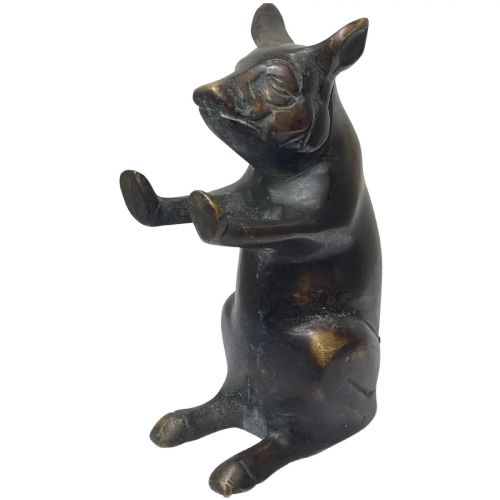
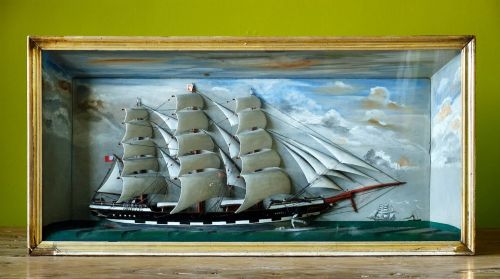
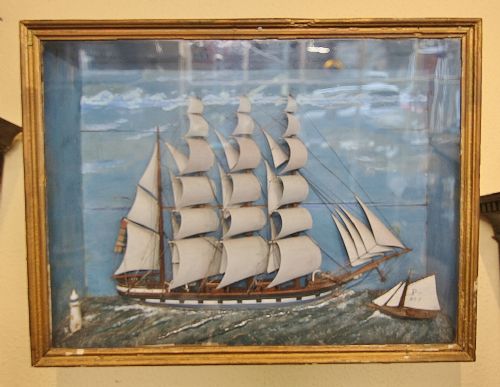
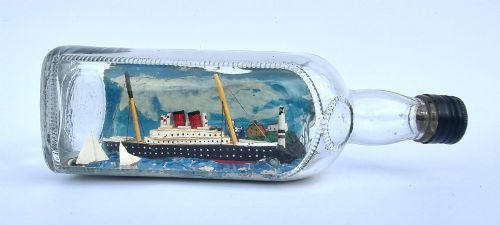
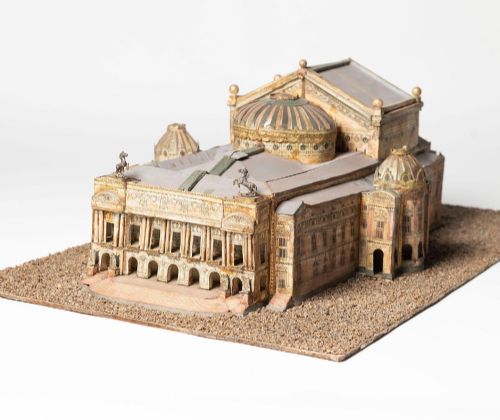
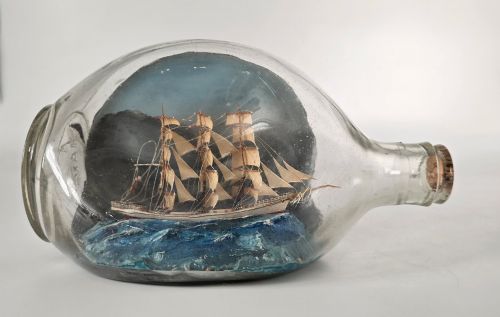
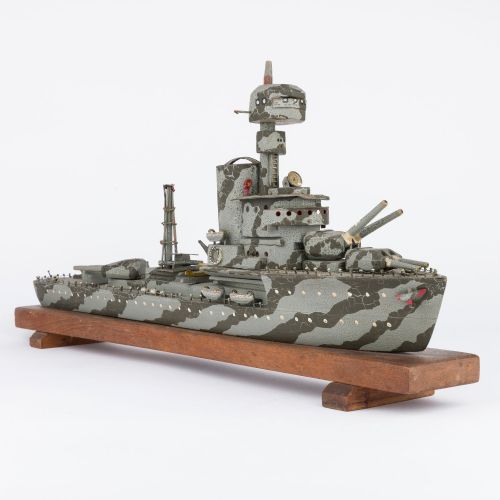
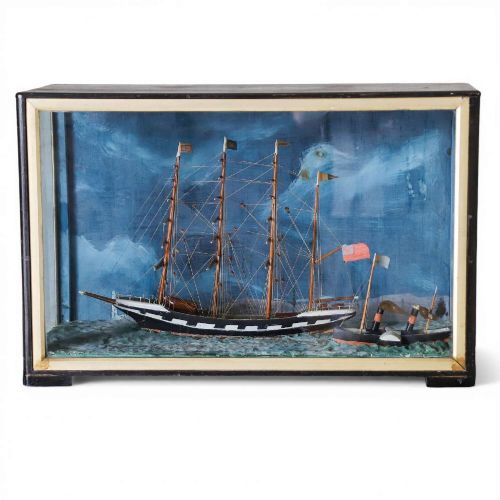
You meet maritime dioramas, pond yachts and bottled ships alongside architectural models, agricultural implements and trade figures. These pieces served practical roles in advertising, technical demonstration or nautical folk art before becoming collector's items.
How they were made
Maker's materials reflect what was to hand, combining wood, paint, glass, brass, cast iron and plaster. Structural elements rely on carved timber and steel, while delicate details utilise canvas and paper.
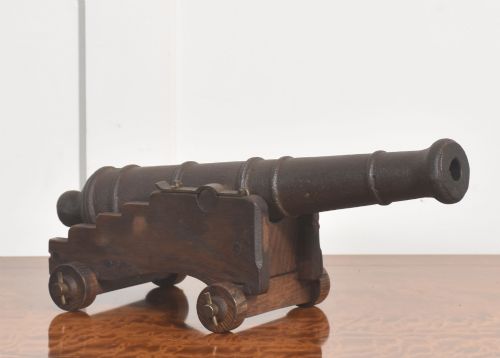
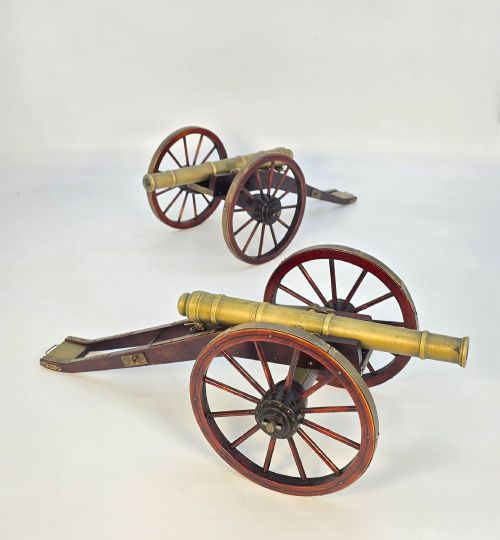
Construction techniques range from the folk art assembly of ships in bottles and straw work dioramas to the precise engineering of scale traction engines and cast bronze artillery pieces.
Antique Display Models Retail Price Guide 2026
Typical asking prices for display models among the pieces listed under this phrase on Sellingantiques today, from the lower quarter to the upper quarter. They describe what is for sale here now, not the wider market.
What varies in quality
Quality rests upon the fidelity of the scale work and the complexity of the original construction, distinguishing simple utilitarian items from exhibition pieces. The ambition of the maker dictates whether a model is a crude representation or a finely articulated miniature.
Condition and completeness separate everyday survivals from superior examples. Intact original paint, untouched rigging on maritime dioramas and functioning mechanical parts elevate a piece above altered or heavily restored alternatives.
Meccano
The Antique Display Models Glossary
- Diorama
- A three-dimensional miniature scene enclosed in a case, frequently depicting sailing vessels at sea. These settings often incorporate painted backdrops and modelled waves.
- Folk art
- Objects created by self-taught makers outside formal academic traditions, using accessible materials. Maritime examples often include ships in bottles and sailors' woolwork.
- Pond yacht
- A large scale-model sailing boat designed for recreational sailing on park lakes. They frequently retain timber hulls and lead ballast keels.
- Salesman's sample
- A miniature version of a full-size product utilised by commercial travellers to demonstrate goods to prospective buyers. These range from machinery to domestic fireplaces.
- Teaching aid
- A three-dimensional educational model used in classrooms or lecture halls for scientific demonstration. Botanical and anatomical examples are typical.
Antique Display Models: Frequently Asked Questions
What were shop display models used for?
Traders utilised these models in shop windows and counters to advertise goods or attract custom without stocking bulky items.
They presented customers with miniature representations of bread, machinery, clothing and livestock to promote daily commerce.
How do I care for a ship diorama?
Keep the piece away from direct sunlight and damp environments to protect fragile paper, canvas and painted wooden elements.
Avoid opening sealed glass cases unless professional conservation is required, as the internal atmosphere helps preserve the contents.
Are pond yachts able to sail?
Many large pond yachts were constructed as functional sailing toys with adjustable rudders and ballasted keels for use on water.
Examine the hull and deck fittings to determine if the builder designed the vessel for active deployment or purely for static display.
What distinguishes folk art models from commercial ones?
Folk art models typically emerge from private hands, utilising scavenged materials and personal ingenuity rather than factory standards.
Commercial pieces display the standardised parts and precise scaling characteristic of exhibition models and trade catalogues.