




Antique Display Figurines
Antique display figurines encompass small sculptural figures crafted across centuries, offering collectors charming representations of figures, animals, and mythological subjects.
Antique Display Figurines
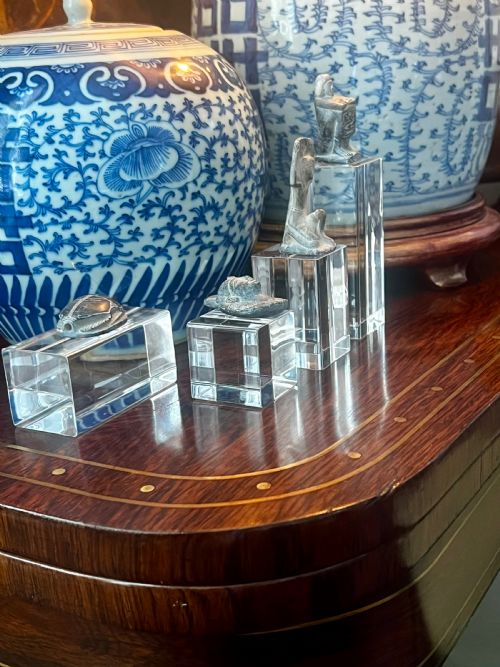
When you search for antique display figurines, you encounter a diverse assortment of ceramic figures, decorative objects, and sculptural works spanning multiple eras. The pieces recorded here range from early Egyptian amulets to Victorian pottery watch-holders and delicate porcelain groups.
You are most likely to meet 19th-century earthenware and porcelain examples, particularly Staffordshire pottery figures and continental groups. These functional and decorative objects often served as mantel ornaments or specialised display pieces in period interiors.
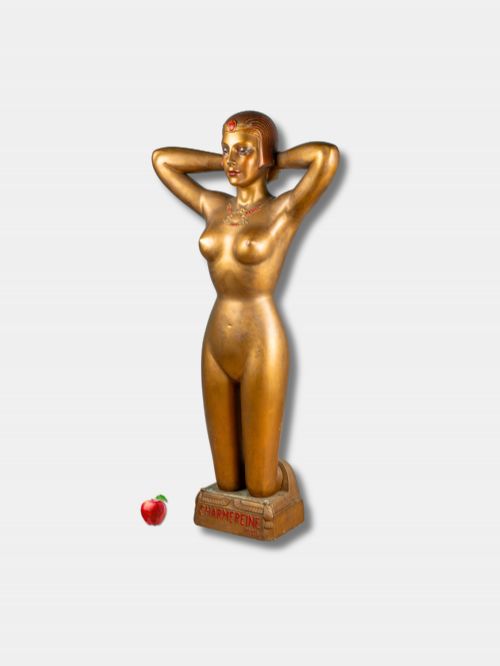
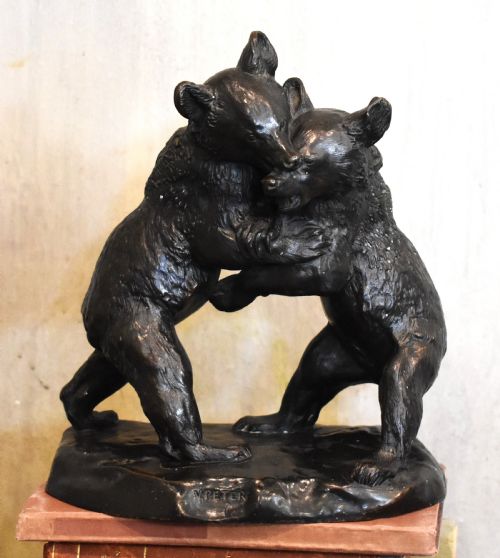
The selection also includes shop display figures, shadow boxes with glass figures, and bronze animalier sculptures. Each variation reflects the specific taste and material capabilities of its respective period, from Georgian styles to Art Deco aesthetics.
Materials and construction
Makers utilised traditional mediums including earthenware, porcelain, plaster, and bronze, often applying detailed paintwork and glaze to finish the surface. Ceramic pieces typically involved moulding or casting before being hand-painted and fired in kilns.
Metal sculptures relied on bronze casting techniques, while shop displays and devotional boxes incorporated mixed media such as glass, enamel, and carved marble. The physical construction combined structural stability with fine surface ornamentation suited to domestic display.
Antique Display Figurines Retail Price Guide 2026
Typical asking prices for display figurines among the pieces listed under this phrase on Sellingantiques today, from the lower quarter to the upper quarter. They describe what is for sale here now, not the wider market.
Materials in these listings include earthenware, porcelain, enamel, glaze, plaster, paint, glass, and bronze.
Assessing quality and execution
The sophistication of the original design and the preservation of delicate elements, such as original glass domes or intricate bronze chasing, separate standard decorative items from superior collector pieces.
Royal Dux·Volkstedt·Meissen·Victor Peter
The Antique Display Figurines Glossary
- Earthenware
- A porous pottery body fired at lower temperatures, typically requiring a glaze to achieve impermeability. It forms the basis of many traditional Staffordshire figures.
- Watch holder
- A specialised ceramic or decorative stand featuring a small hook or recess designed to hold a pocket watch securely on a mantelpiece. These functional objects frequently incorporated figural groupings.
- Shadow box
- A deep, framed glass-fronted case used to display delicate three-dimensional objects or devotional scenes safely. They protect fragile interior components from dust and damage.
- Animalier
- A nineteenth-century artistic style focusing on the realistic depiction of animals, particularly in bronze sculpture. Works in this genre capture creatures in dynamic motion or natural poses.
- Okimono
- A Japanese decorative carved figurine designed for display on a household shelf or tokonoma. These pieces showcase intricate craftsmanship in materials such as bronze.
Antique Display Figurines: Frequently Asked Questions
What are antique display figurines?
Antique display figurines are small sculptural objects made from materials like porcelain, earthenware, and bronze, designed primarily for interior decoration and display.
They encompass a wide variety of forms, including human figures, animals, clock holders, and devotional scenes created across different centuries.
How were Staffordshire watch holders used?
Staffordshire watch holders were placed on mantelpieces or bedside tables to securely hold pocket watches when they were not being worn.
The figural scenes surrounding the hook often depicted classical themes, literary subjects, or domestic animals to entertain the viewer.
How do I care for delicate porcelain figures?
Display porcelain figures away from direct sunlight and areas subject to rapid temperature changes to protect the glaze and painted surfaces.
Dust them gently with a soft, dry brush and avoid using water or cleaning solutions that might harm fragile painted details.
How can I tell different manufacturing periods apart?
Periods are identified by examining the material composition, glaze characteristics, base marks, and the prevailing artistic style of the piece.
Comparing the modelling techniques and stylistic conventions helps place an item within eras such as the Georgian, Victorian, or Edwardian periods.