


Antique Display Bowl
An antique display bowl brings centuries of colour and craftsmanship into a room, offering a focal point designed to be looked at rather than used.
Antique Display Bowl
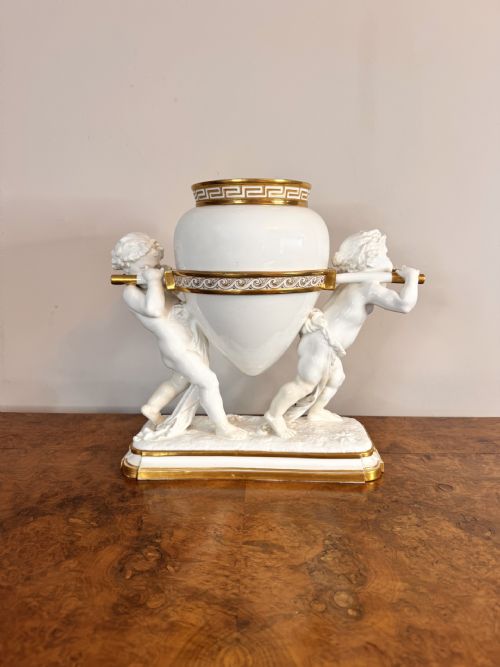
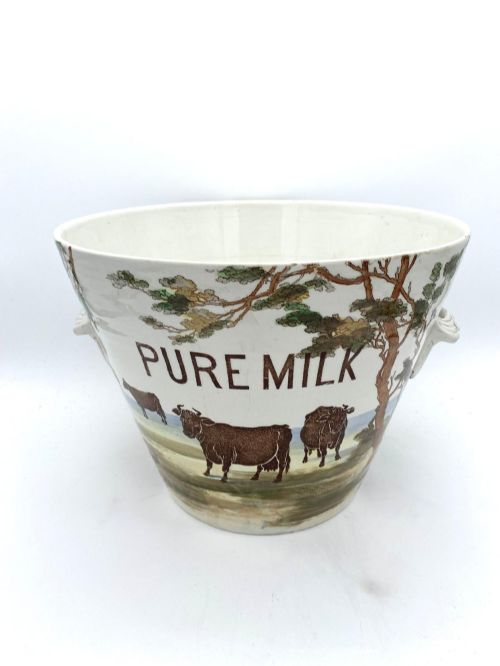
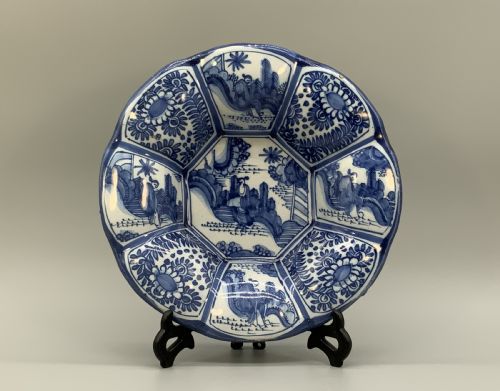
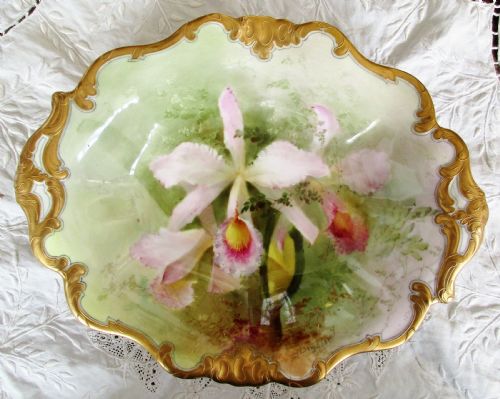
When you search for an antique display bowl, you encounter a diverse gathering of vessels made to sit on tables, cabinets, and pedestals rather than serve at the dining table. These pieces range from large punch bowls and tazze to decorative chargers and centrepieces.
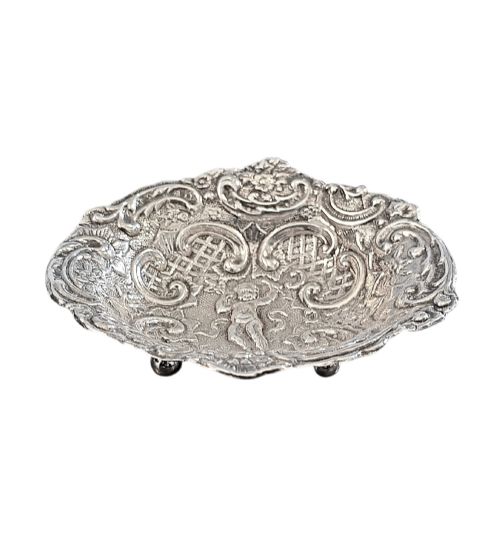
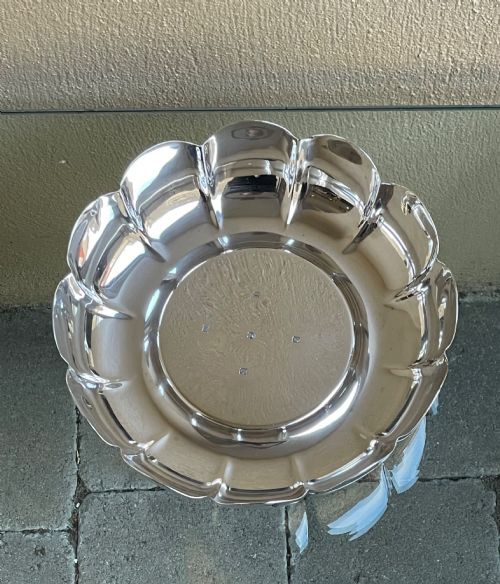
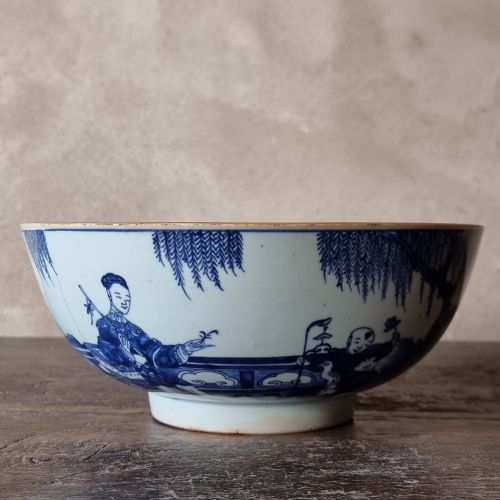
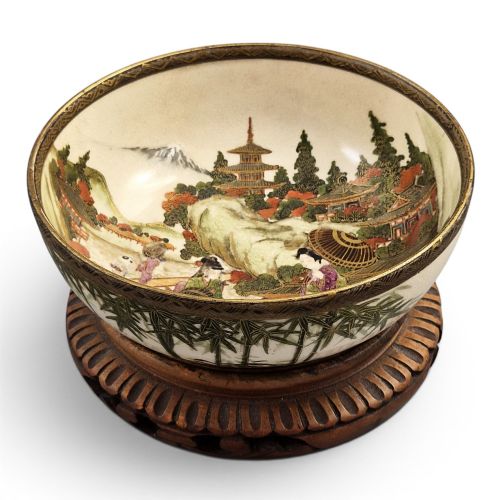
The selections span centuries and geographies, bringing together English porcelain, Chinese ceramics, and Japanese Imari and Satsuma wares. Alongside porcelain and earthenware, the forms include sterling silver, enamel, and carved stone.
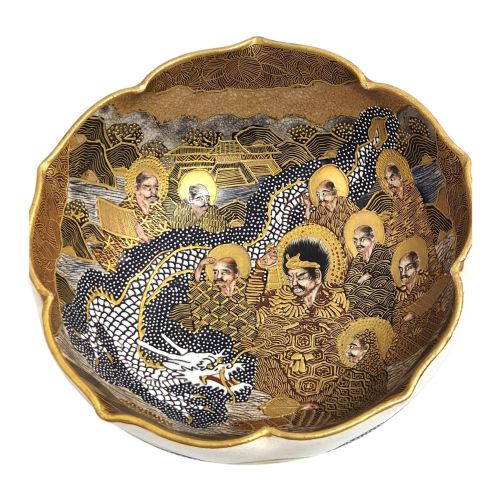
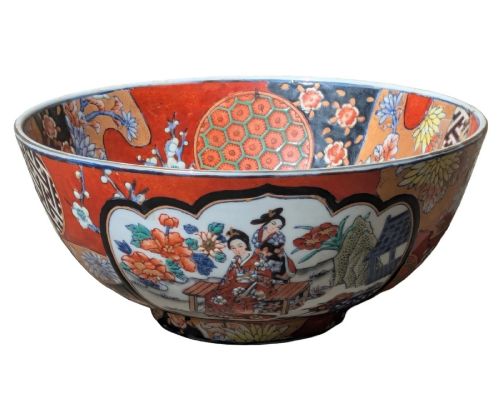
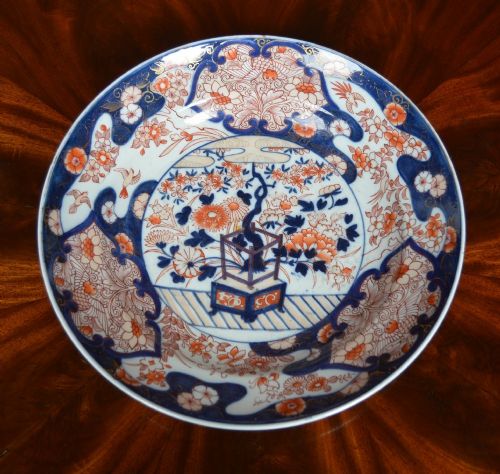
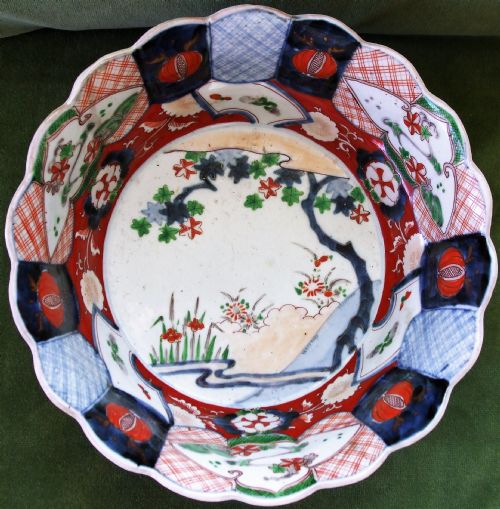
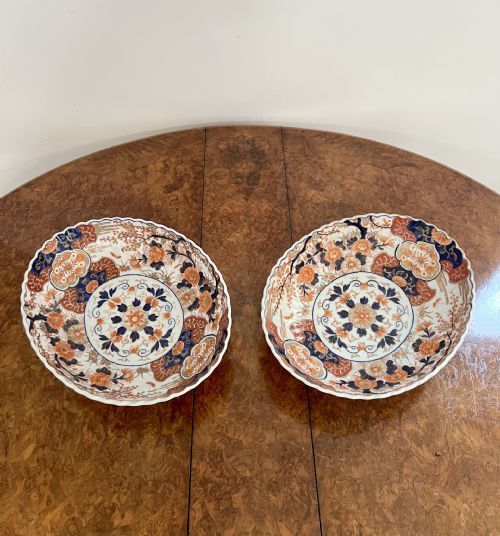
You are most likely to meet Japanese Imari porcelain bowls featuring scalloped edges and intricate cobalt and iron-red patterns, alongside English cabinet dishes and Chinese famille rose vessels.
How they were made
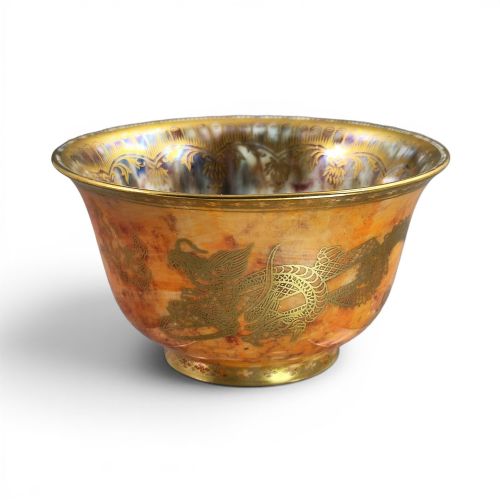
Makers shaped porcelain, earthenware, and creamware by hand or on the wheel before applying glazes, cobalt underglazes, and overglaze enamel colours that required careful firing in kilns. Many pieces received meticulous hand-painting, gilding with gold leaf, or detailed lustre finishes.
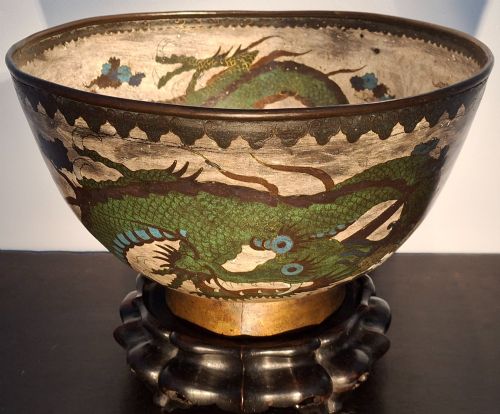
Metal vessels involved smithing and casting sterling silver, copper, and enamel work such as cloisonne, where wire cells held the coloured enamel paste before firing and polishing. Stone bowls utilised carving and polishing techniques on materials like Blue John and alabastro egiziano.
Antique Display Bowl Retail Price Guide 2026
Typical asking prices for display bowl among the pieces listed under this phrase on Sellingantiques today, from the lower quarter to the upper quarter. They describe what is for sale here now, not the wider market.
Several bowls on show depict fierce dragons and samurai battles, proving that quiet porcelain can hold a great deal of drama.
What varies in quality
Quality rests in the crispness of the modelling, the depth and registration of hand-painted or enamelled decoration, and the ambition of the form. A superior piece displays confident brushwork, precise gilding, and a harmonious balance between the shape of the bowl and its surface ornament.
Material choice and technical difficulty separate standard production from exceptional work, whether in the complexity of a multi-fired Satsuma glaze, the weight and assay of sterling silver, or the rarity of stone such as Blue John.
William Aitken·Royal Doulton·Daisy Makeig-Jones·Wedgwood·Coalport·St Louis glassworks·Kinkozan
The Antique Display Bowl Glossary
- Imari
- A style of Japanese porcelain decorated in underglaze blue, iron red, and gold. It was widely exported to Europe from the port of Imari during the Edo period.
- Tazza
- A shallow bowl or cup mounted on a stem and foot. These pedestal vessels are often displayed to highlight carved stone or silver work.
- Cloisonne
- A decorative metalwork technique where thin wire partitions form cells to hold enamel pastes. The surface is then fired and polished smooth.
- Famille Rose
- A palette of Chinese porcelain enamels dominated by opaque pink. This style developed in the Qing dynasty and remained popular for decorative vessels.
- Creamware
- A fine-grained earthenware with a pale yellowish-cream glaze. Developed in England during the eighteenth century, it offered a lighter alternative to traditional salt-glazed stoneware.
Antique Display Bowl: Frequently Asked Questions
How do I display a heavy antique bowl?
Heavy vessels require sturdy, level surfaces away from high-traffic edges where accidental knocks might occur. Placing a felt pad beneath the base protects both the furniture and the ceramic or stone foot.
Larger chargers and centrepieces benefit from bespoke stands that distribute the weight evenly and tilt the piece for optimal viewing.
Can I use my antique bowl for food?
Most antique display pieces are intended purely for visual appreciation rather than daily dining. Historic glazes and enamels, particularly on older ceramics or silver, can wear down or react poorly with acidic foods.
It is safest to keep these vessels dry and use them strictly as decorative objects on tables and sideboards.
How do I clean an antique silver bowl?
Sterling silver bowls require gentle cleaning with a soft cloth and specialist silver polish to remove tarnish without abrading the surface. Avoid harsh chemical dips that strip away desirable patination.
After polishing, wash the piece briefly in warm soapy water, rinse thoroughly, and dry it completely with a lint-free cloth.