





Antique Display Barrel
An antique display barrel brings historic firearms and military metalwork into a room.
Antique Display Barrel
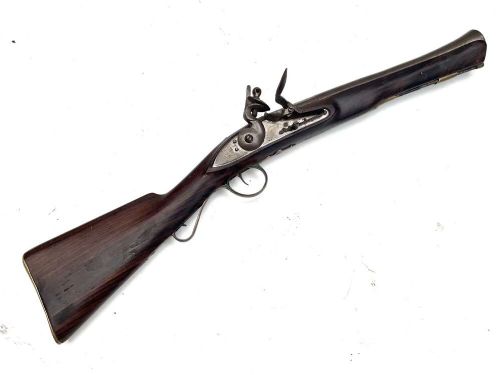
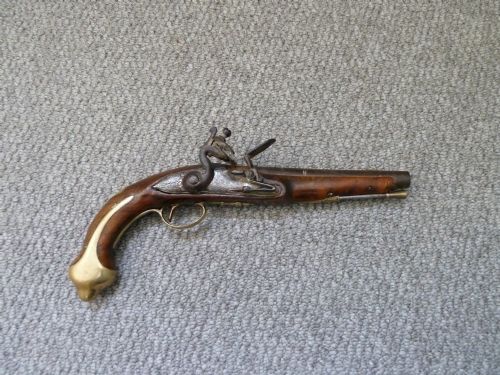
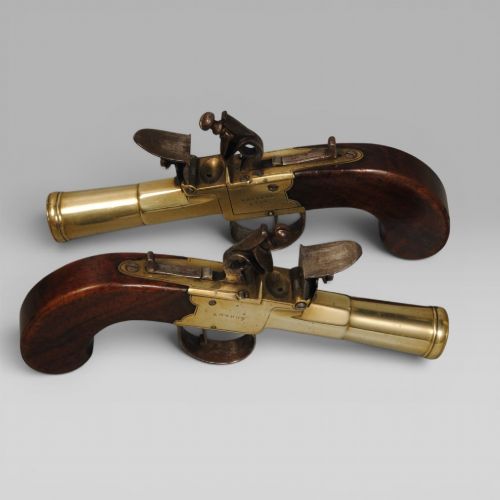
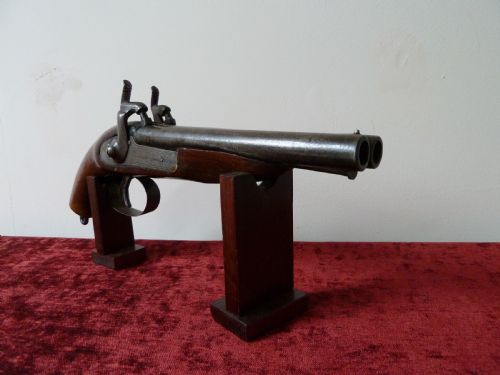
The search for an antique display barrel often leads to pieces incorporating historic gun barrels, such as flintlock and percussion pistols or blunderbusses from the eighteenth and nineteenth centuries. These items feature prominently among the military antiques and firearms visible on this page, reflecting periods from the Georgian era through to the Victorian age.
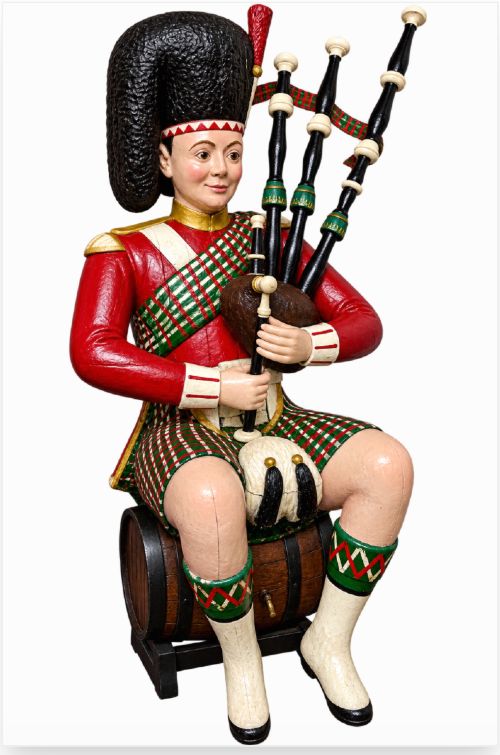
Buyers also encounter related forms like cabinetwork and trade figures alongside the arms and scientific instruments. The specific barrel components found in these listings span materials like brass and steel, attached to wooden stocks or mounted within military and sporting contexts.
Materials and construction methods
Construction relies heavily on metals such as steel, brass, and iron for the barrel and lock mechanisms, paired with timber stocks or cabinetry in walnut, mahogany, and pine. Black powder firearms and related military pieces utilise these durable materials to withstand the pressures of percussion and flintlock firing systems.
Woodworking techniques visible in the associated cabinets and stands involve carved pine, lacquered painted pedestal forms, and astral glazed joinery. Metal components demonstrate period smithing and casting methods suited to eighteenth and nineteenth-century military supply.
Antique Display Barrel Retail Price Guide 2026
Typical asking prices for display barrel among the pieces listed under this phrase on Sellingantiques today, from the lower quarter to the upper quarter. They describe what is for sale here now, not the wider market.
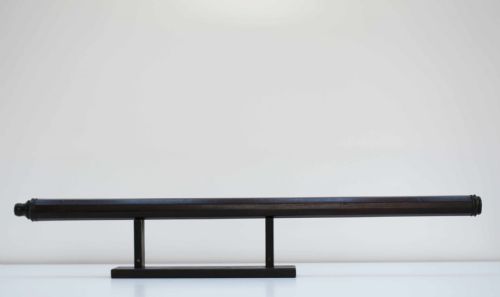
A nine-sided telescope from the Georgian era offers a distinctly unusual geometry compared to the standard round tubes of the period.
Distinctions in quality and execution
Quality separates pieces through the crispness of metal engraving, the integrity of the timber stock, and the matching of components across mechanisms. Items retaining original maker signatures and cohesive period assembly command greater attention than heavily altered examples.
The refinement of the surrounding cabinetry or mountings also marks the distinction between standard military issue and higher-grade civilian or presentation pieces from the Georgian and Victorian periods.
Colt·Manton·Wilson·John Gilbert
The Antique Display Barrel Glossary
- Flintlock
- An ignition mechanism for firearms that uses a flint striking against a steel frizzen to create sparks for the gunpowder. This system dominated military and civilian arms throughout the eighteenth century.
- Percussion
- A later ignition system utilising a small percussion cap struck by the hammer to detonate the powder charge. It largely superseded flintlock arms during the nineteenth century.
- Blunderbuss
- A muzzle-loading firearm with a flared barrel designed to scatter lead shot at close range. These weapons appear frequently in eighteenth-century military and maritime contexts.
- Miquelet
- A form of snaplock firearm mechanism common in Spain, Italy, and the Mediterranean during the seventeenth and eighteenth centuries. It relies on an external mainspring.
Antique Display Barrel: Frequently Asked Questions
What periods do these pieces date from?
The listings span the eighteenth and nineteenth centuries, including Georgian and Victorian eras.
Specific dates on this page reach from the mid-eighteenth century up through the nineteenth-century military developments.
How do flintlock and percussion arms differ?
Flintlock weapons rely on a flint and steel frizzen to generate sparks that ignite the black powder.
Percussion arms use a hammer striking a primed percussion cap, representing a mid-nineteenth-century technical evolution.
What woods are used in the cabinetry?
Pine and mahogany form the primary timbers for the cupboards and stands seen in the available listings.
Craftsmen utilised these domestic and imported woods alongside brass and glass components for storage and display.
Are scientific instruments included here?
Telescopes from the Georgian period appear among the scientific apparatus listed alongside the arms.
These optical items reflect eighteenth-century manufacturing standards similar to the contemporary metalwork of the firearms.