


Antique Diorama
An antique diorama captures a tiny, handcrafted world behind glass, offering a glimpse into maritime journeys, natural history specimens and folk art scenes.
Antique Diorama
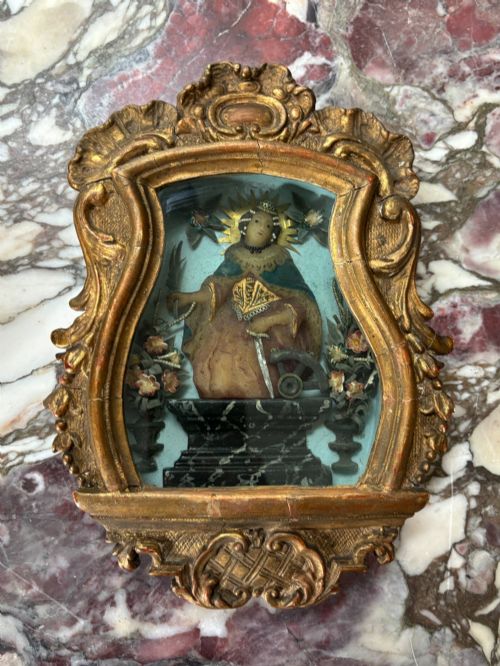
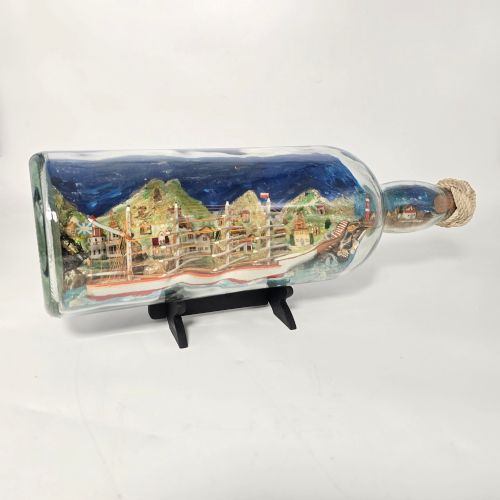
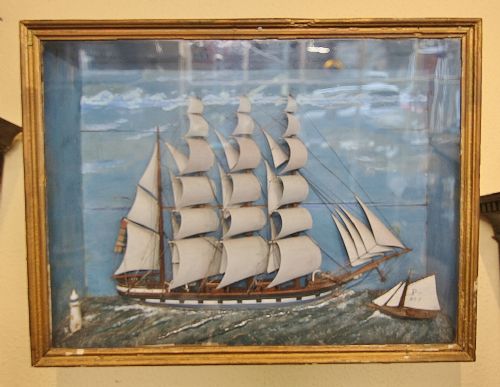
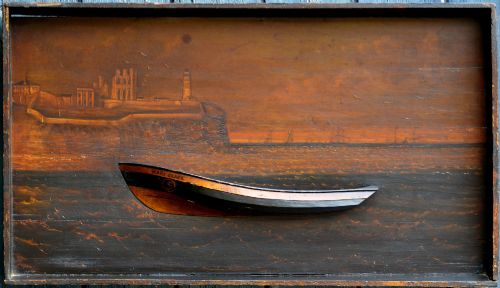
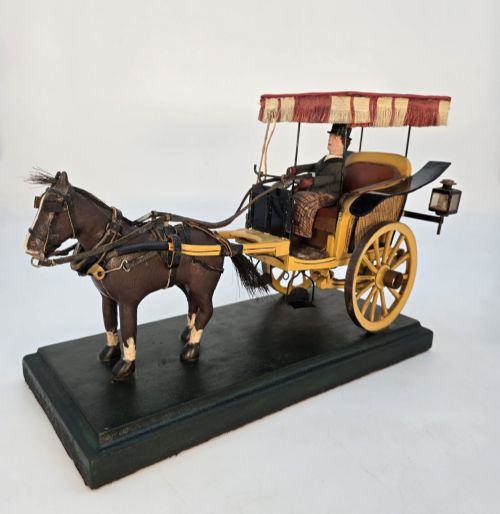
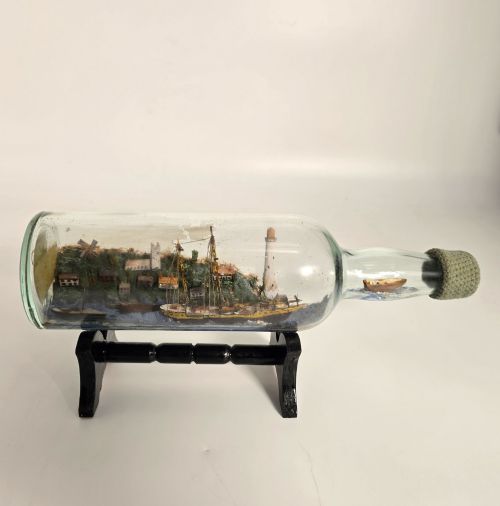
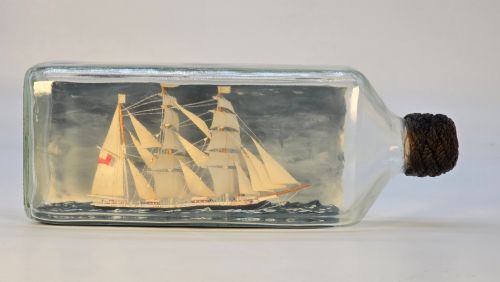
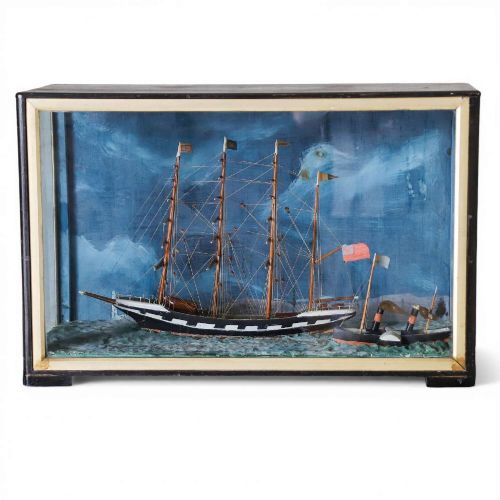
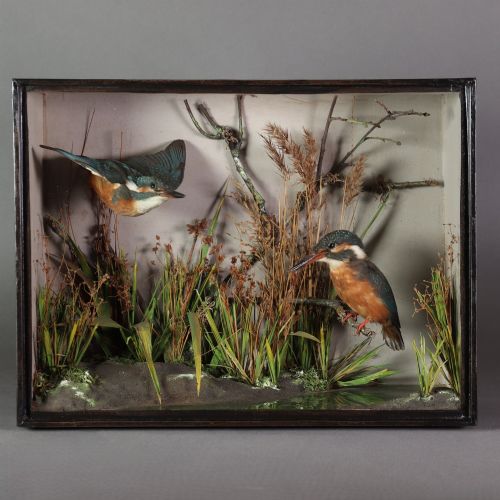
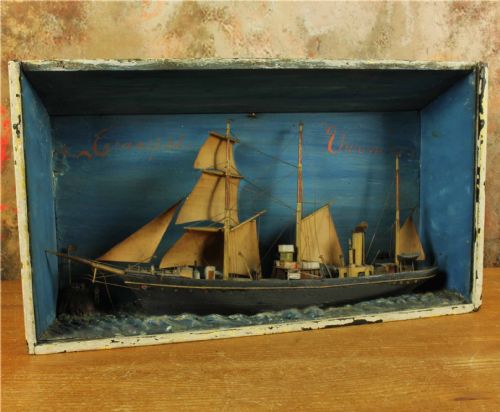
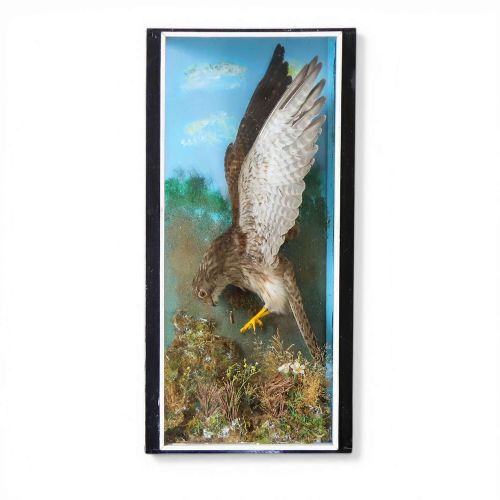
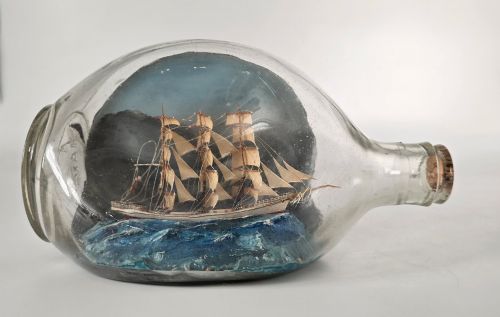
When you search for an antique diorama, you encounter three-dimensional framed scenes and cased displays spanning the nineteenth and early twentieth centuries. Maritime subjects dominate, including model sailing ships, painted seascapes and cork work coastal views housed in wooden boxes. Alongside these marine works, the category encompasses taxidermy display cases, devotional shadow boxes and folk art models.
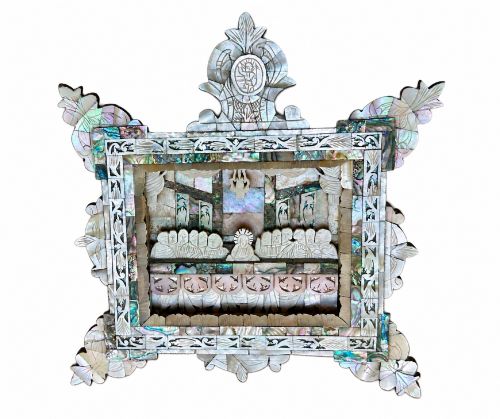
The objects derive largely from Victorian and Edwardian periods, stretching from the eighteen-sixties into the nineteen-thirties. You meet French theatre scenes, mother-of-pearl religious icons and naïve wooden constructions made by sailors or regional craftsmen. Each piece preserves a distinct narrative, whether depicting a named vessel racing at sea or a detailed taxidermy bird specimen in a snow scene.
Materials and construction
The makers relied on simple yet durable materials, combining wood, glass, paint, paper, canvas and cork to build depth within shallow frames. Taxidermy examples utilise plaster, twigs and painted backgrounds to recreate natural habitats for birds and animals. Maritime pieces often incorporate carved wooden hulls, painted canvas waves and intricately rigged miniature cordage.
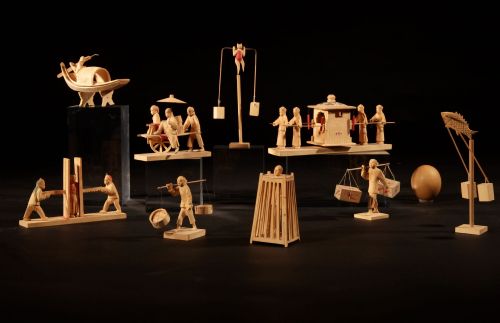
Protection came from dedicated display enclosures, utilising glass panels and wooden shadow boxes to shield delicate elements from dust and damage. Folk art interpretations frequently employ unconventional mediums such as straw work, shells and abalone, demonstrating resourcefulness in construction techniques across British, French and American examples.
Antique Diorama Retail Price Guide 2026
Typical asking prices for diorama among the pieces listed under this phrase on Sellingantiques today, from the lower quarter to the upper quarter. They describe what is for sale here now, not the wider market.
Listings feature pieces spanning the 19th century through to the 1930s, encompassing both British and continental European origins.
Elements of quality
Quality rests upon the intricacy of the craftsmanship, the preservation of fragile components and the naturalism of the arrangement. Superior maritime examples display careful rigging and convincing painted backdrops that create a genuine sense of perspective, whereas cruder pieces rely on heavier, less detailed carving.
In taxidermy and natural history subjects, the skill of the taxidermist determines the success of the piece, evident in the lifelike posture of the specimens and the harmonious composition of the cased habitat. The structural integrity of the original wooden frame and the clarity of the protective glass also influence the overall standard of the work.
J Griffiths of Burford·T E Gunn·S King
The Antique Diorama Glossary
- Shadow box
- A deep, framed glass-fronted case designed to display three-dimensional objects and scenes. It protects delicate contents from environmental damage while allowing a clear front view.
- Maritime folk art
- Creative works produced by sailors and coastal artisans depicting ships, seascapes and marine life. These pieces utilise everyday nautical materials such as rope, canvas and carved wood.
- Devotional shadow box
- A small religious display containing sacred figures, icons or relics arranged behind glass. Examples frequently incorporate delicate paper, wax or Nevers glass elements.
- Scratch-built
- A model constructed entirely from raw materials rather than from a pre-made kit. This method highlights the individual maker's precision and ingenuity.
Antique Diorama: Frequently Asked Questions
What is an antique diorama?
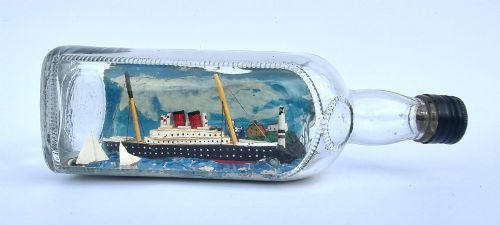
An antique diorama is a three-dimensional scene enclosed in a glass-fronted box or bottle, dating from the nineteenth or early twentieth centuries. These pieces typically depict ships at sea, natural history specimens, or folk art narratives.
Craftsmen built these displays using painted canvas, wood, cork, and plaster to create a convincing sense of perspective and depth within a shallow space.
How were maritime dioramas used?
Maritime dioramas served as decorative ornaments in homes, offices, and maritime establishments, often commemorating specific ships or voyages. Sailors also constructed them during long sea journeys as keepsakes or trade items.
The enclosed glass cases protected the delicate rigging and painted textile waves from dust and sea air in domestic environments.
How do I care for a cased taxidermy diorama?
Keep cased taxidermy away from direct sunlight and damp environments to protect the fragile feathers, fur, and painted backgrounds from fading or deterioration. Stable room temperatures prevent the wooden frames and sealing materials from warping.
Clean only the exterior glass gently with a soft cloth, and avoid opening the sealed case to preserve the internal climate.
How can I tell Victorian dioramas apart from later pieces?
Victorian examples frequently display specific framing styles, heavier timber construction, and handwritten or naive aesthetic touches characteristic of nineteenth-century craft. Materials like early glass, hand-mixed paints, and organic stuffing agents provide clues to the era.
Later pieces from the Edwardian period and the nineteen-twenties often incorporate different box construction methods and refined taxidermy techniques.