





Antique Dining Room Suite
An antique dining room suite brings together a matched table and seating designed to host gatherings with period character.
Antique Dining Room Suite
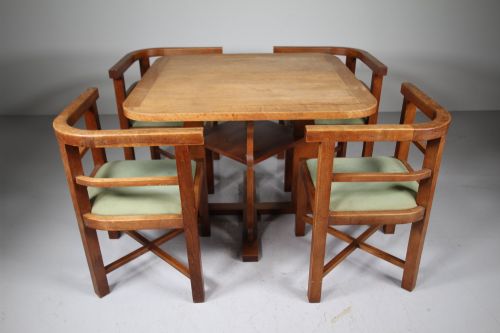
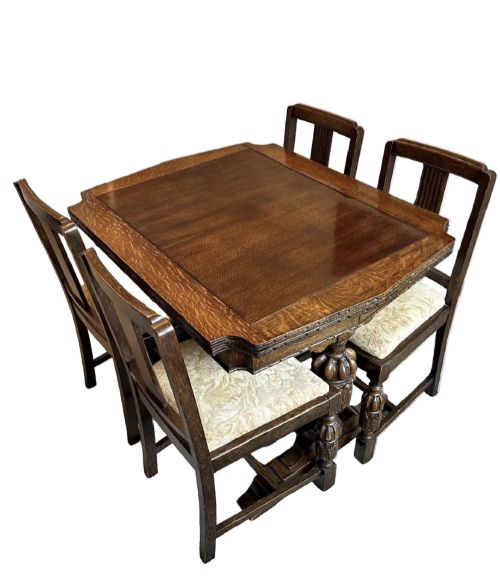
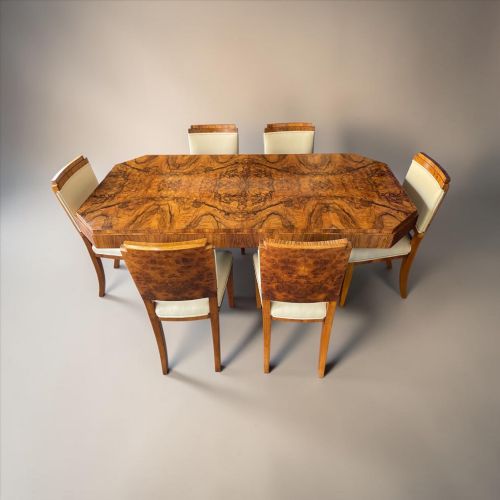
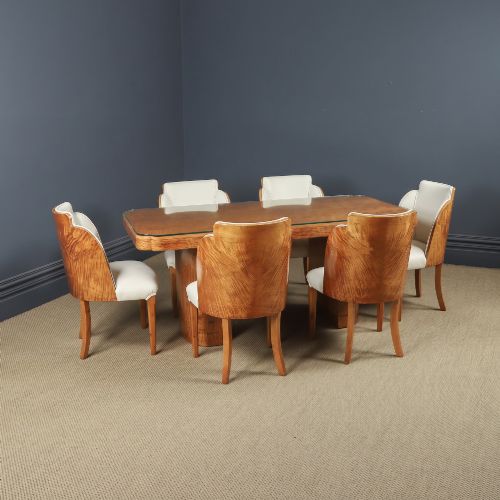
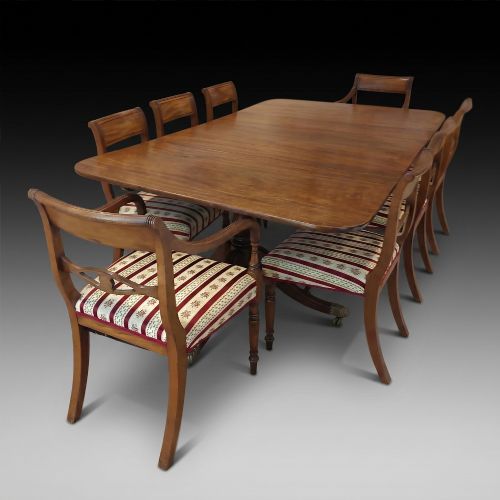
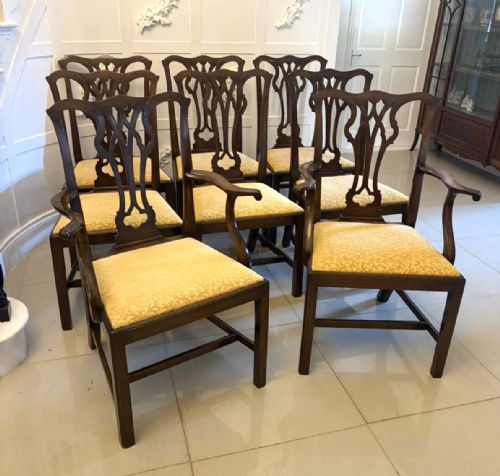
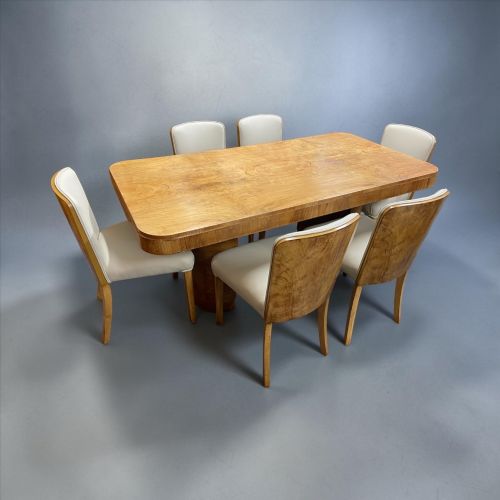
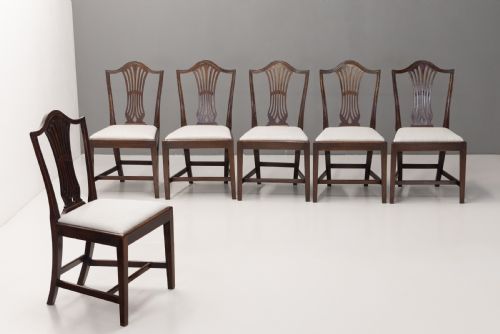
An antique dining room suite comprises a central dining table paired with a matching set of chairs, and occasionally supplementary pieces such as sideboards or side tables. When you search for an antique dining room suite, you encounter comprehensive groupings that span from Georgian and Regency formal designs to Edwardian oak sets and Art Deco satinwood arrangements.
The configurations vary widely in scale, ranging from intimate settings of six chairs to large formal suites featuring twelve, fourteen, or even forty-two matching chairs alongside expansive tables. You meet everything from sturdy oak Jacobean revival settings to walnut and mahogany productions from the Victorian and Edwardian decades.
Materials and construction
Cabinet makers utilised dense hardwoods such as mahogany, oak, walnut, burr walnut, maple, satinwood, calamander, macassar, and ebony to build the tables and chair frames. Timber sections were frequently carved, turned, or veneered to display rich grain patterns.
Seating portions incorporate structural timber frames fitted with upholstery materials including leather, fabric, silk damask, and brass details. Joinery techniques and carved high backs or balloon backs defined the construction of the chairs across the Georgian, Victorian, and later revival periods.
Antique Dining Room Suite Retail Price Guide 2026
Typical asking prices for dining room suite among the pieces listed under this phrase on Sellingantiques today, from the lower quarter to the upper quarter. They describe what is for sale here now, not the wider market.
What separates the tiers
Quality rests in the coherence of the suite, the grade of timber selected for the veneers and solid sections, and the precision of the hand-carved detailing. Matched suites that retain their original complement of carvers and single chairs hold greater integrity than assembled groupings.
Finer examples display sophisticated cabinet work, such as exotic wood inlays, superior silk damask or leather upholstery, and robust frame construction that withstands centuries of use.
Harry and Lou Epstein·Shoolbred
The Antique Dining Room Suite Glossary
- Carver chair
- An armchair designed with elbow supports, traditionally placed at the heads of the dining table.
- Slipper chair
- A low-seated chair without arms, often found in historic dining and drawing room groupings.
- Balloon back
- A rounded, oval-shaped chair back design popular during the Victorian period.
- Damask
- A reversible figured fabric, frequently woven in silk, used for upholstery in formal suites.
- Calamander
- A heavy, durable wood with dark brown and light brown stripes, utilised in high-end Art Deco cabinet work.
Antique Dining Room Suite: Frequently Asked Questions
How do I know if the chairs match the table?
Examine the timber species, grain direction, colour tone, and stylistic motifs such as carving or leg shapes across all pieces in the suite.
Original suites share workshop origins, ensuring that the timber age and construction methods align uniformly between the seating and the dining table.
What is the difference between a carver and a single chair?
Carver chairs feature armrests and are traditionally positioned at the two ends of the dining table for the hosts.
Single chairs lack arms and are designed to occupy the remaining spaces along the sides of the table.
How should I care for antique wood surfaces?
Maintain timber and veneer surfaces by keeping them away from direct sunlight and sudden temperature fluctuations that cause splitting.
Apply appropriate wax polish sparingly and buff gently with a soft cloth to preserve the historic patina.
Can I use an antique suite every day?
Historic dining suites are built from sturdy hardwoods designed for regular domestic function and hosting.
Ensure that joints remain tight and upholstery is sound before subjecting older frames to heavy daily use.