

Antique Diamond Trilogy
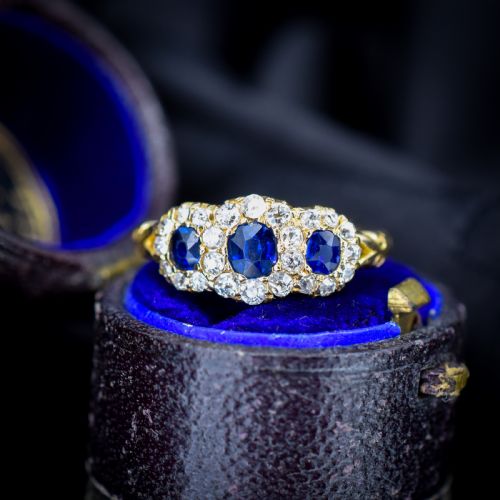
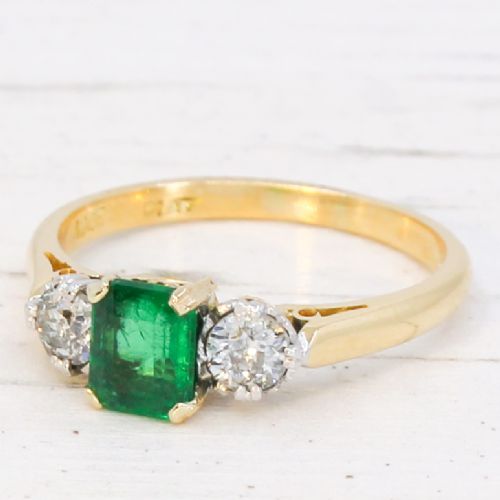
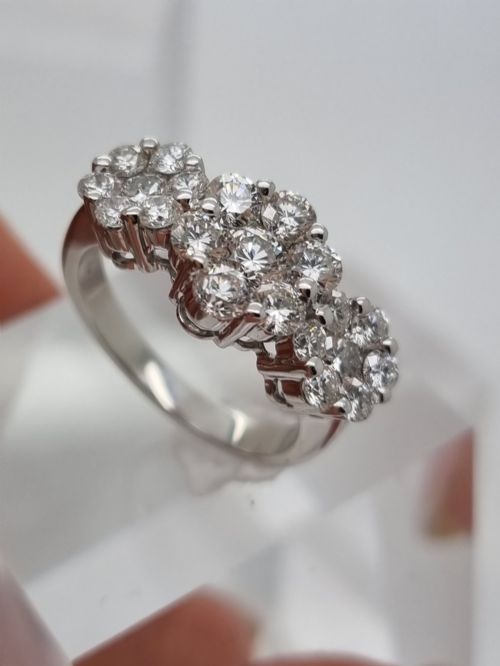
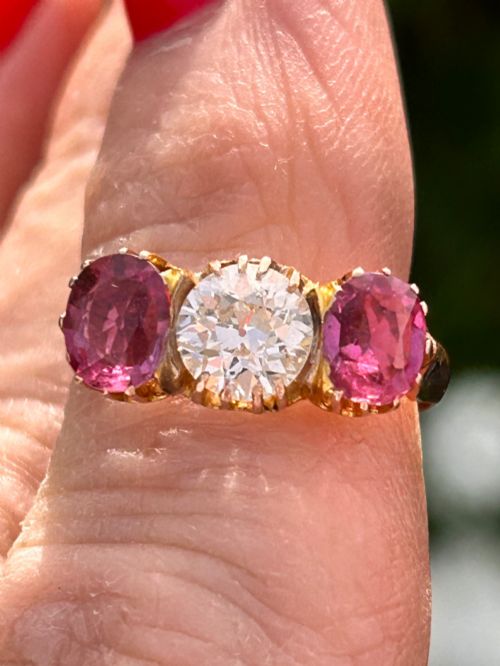
When buying an antique diamond trilogy ring, you are acquiring a classic three-stone design that symbolizes a couple's past, present, and future.
Antique Diamond Trilogy
How They Were Made
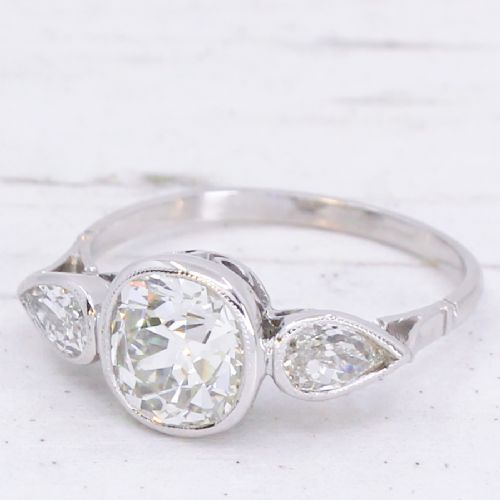
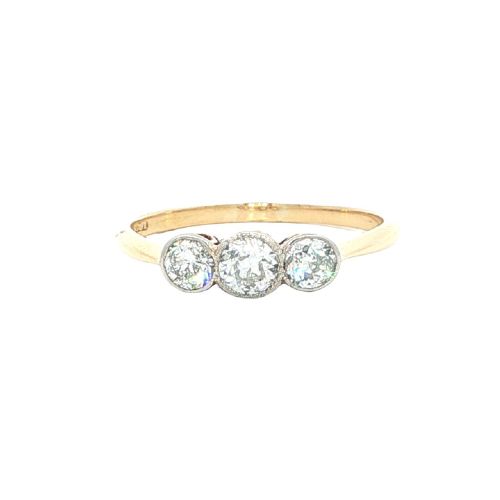
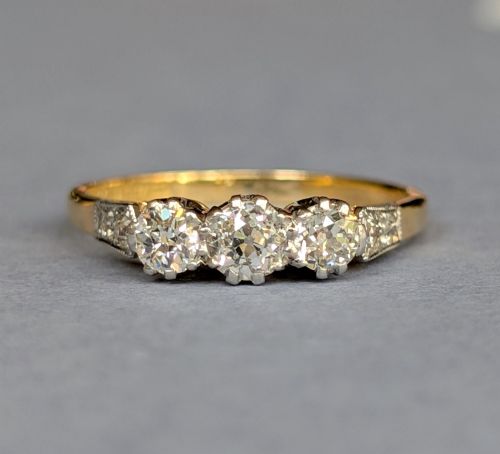
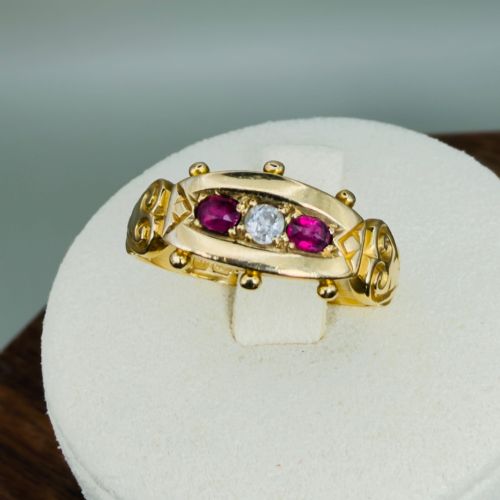
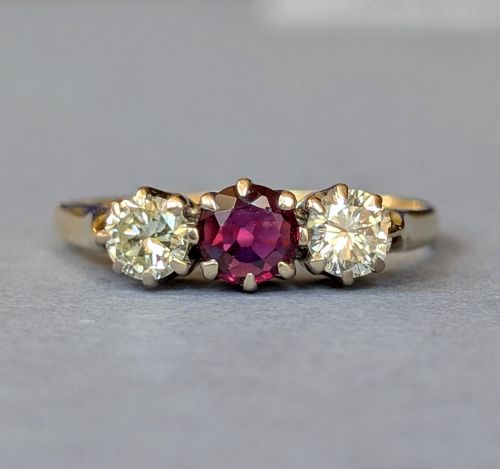
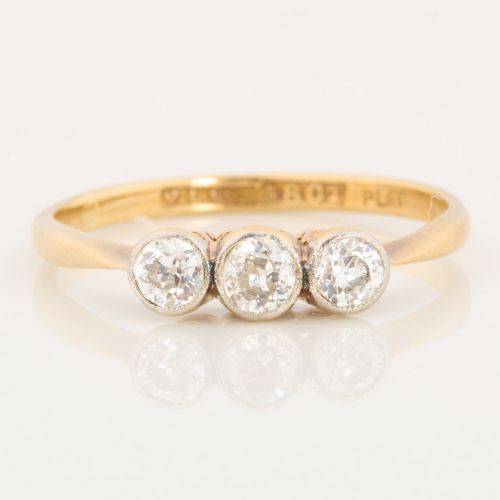
Makers shaped these rings using a foundation of yellow gold, rose gold, or platinum, frequently combining 18ct yellow gold shanks with platinum settings to securely display the stones. Stones were typically cut by hand, utilising old cut, transitional cut, or old cushion cuts that display distinct hand-faceted proportions.
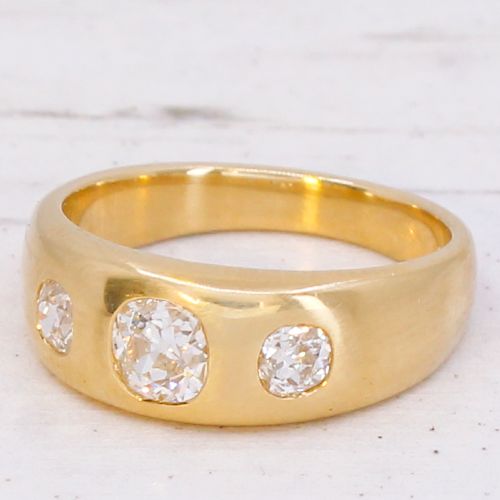
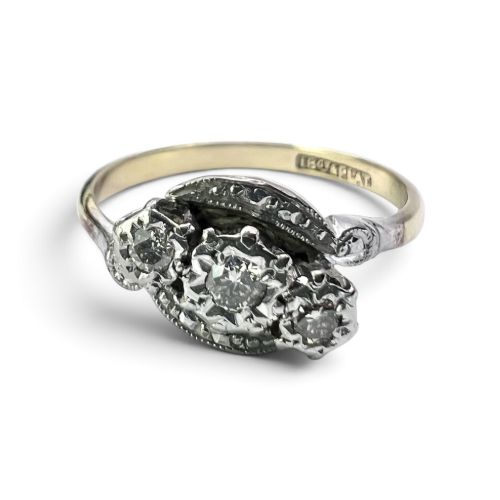
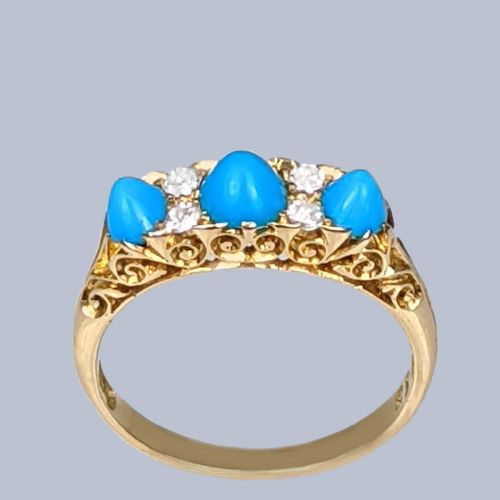
Craftsmen secured the gems using traditional claw settings to allow maximum light entry or employed gypsy settings where stones sit flush into the heavy metal band. Hallmarks stamped inside the bands often record the assay office and date of manufacture.
Victorian romantics frequently tucked tiny secret inscriptions inside the band alongside the Chester or Birmingham assay marks.
What Varies In Quality
The overall quality of an antique diamond trilogy ring depends heavily on the matching, cut, and clarity of the stones chosen by the original jeweller. Graduated sizes or perfectly matched stone dimensions demonstrate careful planning and high craftsmanship.
The structural integrity of the setting and the preservation of the original metalwork also dictate quality, as heavy wear on claws or thinning shanks alters the piece. Pieces retaining crisp hallmarks and original stone arrangements represent the higher tier of surviving examples.
William Griffiths
The Antique Diamond Trilogy Glossary
- Trilogy ring
- A ring featuring three main stones set in a row across the finger. This design gained immense popularity during the Victorian and Edwardian periods.
- Old cut diamond
- A diamond cut by hand before modern machinery standardised proportions, characterised by a high crown, small table, and open culet. These stones glow softly under candlelight.
- Gypsy setting
- A mounting style where the gemstone is sunk flush into the metal band, with the surrounding metal pushed up to secure the girdle. This technique was widely utilised in the nineteenth century for durability.
- Transitional cut
- A diamond facet style used primarily during the 1920s and 1930s that bridges the gap between old cut stones and modern brilliant cuts.
- Platinum
- A dense, durable white metal utilised extensively from the Edwardian era onward for intricate filigree and secure stone settings.
Antique Diamond Trilogy: Frequently Asked Questions
How do I identify a Victorian trilogy ring?
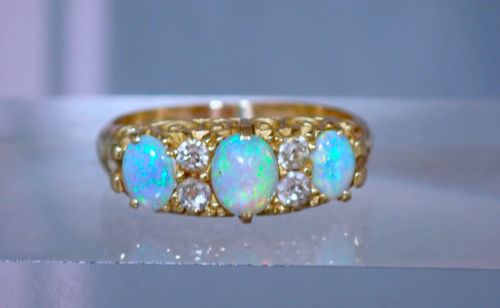
Victorian examples often incorporate old cut diamonds or opals set in 18ct yellow gold, sometimes utilising gypsy settings or ornate scrollwork along the shoulders. Hallmarks stamped inside the band can pinpoint the exact assay office and year of creation.
Later Edwardian and Art Deco pieces shifted toward platinum settings and geometric lines, contrasting with the warmer tones of nineteenth-century gold.
Can I wear an antique diamond ring daily?
Many people wear these historic rings every day, provided the settings are checked regularly by a jeweller. Platinum and 18ct gold offer durability suitable for regular wear when the metal remains thick and sturdy.
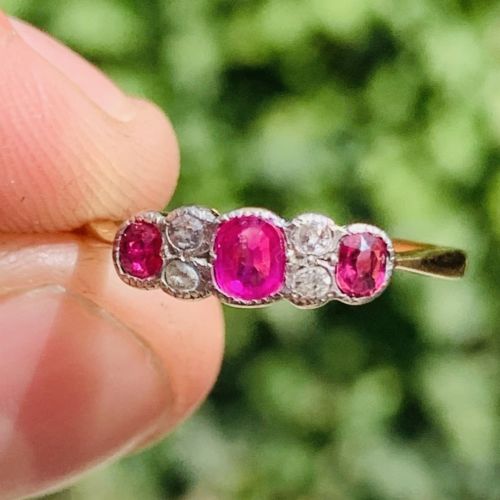
Gentle cleaning with warm soapy water helps maintain the brilliance of the diamonds and coloured gemstones without damaging antique mountings.
What is an old cut diamond?
An old cut diamond is a hand-faceted stone shaped prior to the standardisation of modern cutting techniques. These stones feature smaller tables and larger facets that produce a characteristic warm, candlelit sparkle.
They appear frequently in Victorian and Edwardian jewellery, giving each trilogy ring a unique optical charm.