






Antique Diamond Painting
These antique diamond painting selections encompass oil portraits, sporting works, and diamond-point commodes spanning from the seventeenth century to the twentieth century.
Antique Diamond Painting
When you search for antique diamond painting, you encounter a varied assortment of oil on canvas portraits, oil paintings of famous racehorses, oil on glass armorial crests, and French commodes featuring diamond-point carving. These objects range from seventeenth-century fine art portraiture to nineteenth-century Scandinavian painted pine cupboards and twentieth-century display cabinets.
The most prevalent forms on this page include oil paintings depicting subjects such as gentlemen in armour with diamond clasps and sporting racehorses like Diamond Jubilee, alongside French Gustavian style commodes known as commodes à pointe de diamant. Each piece demonstrates traditional craftsmanship from periods including the Georgian era, Victorian sporting period, and the 1920s Art Deco movement.
Collectors searching for antique diamond painting will find that the category bridges fine art portraiture and decorative furniture with geometric wood carving. The selection draws together pieces utilising oil paints, canvas, glass, pine, oak, and brass fittings within painted wood frames.
How they were made
The paintings in this category rely on traditional oil on canvas techniques and oil on glass applications, framed in giltwood or painted wood. Canvases are stretched over wooden frames, whilst glass panels receive delicate reverse painting for armorial crests.
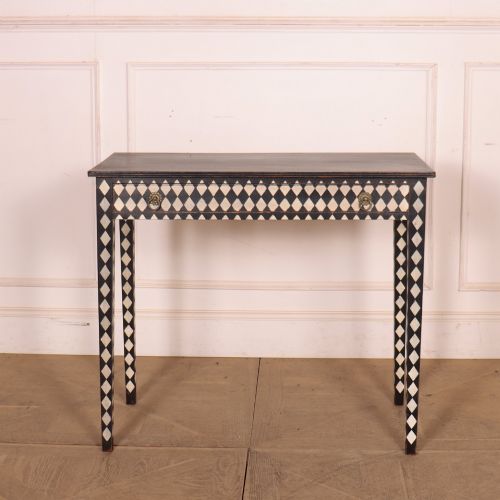
Furniture pieces within the selection utilise pine and oak, incorporating painted finishes characteristic of Scandinavian country and French Gustavian styles. Woodworkers shaped drawer fronts and panels into geometric diamond-point patterns, sometimes called pointe de diamant, often complemented by brass hardware.
Antique Diamond Painting Retail Price Guide 2026
Typical asking prices for diamond painting among the pieces listed under this phrase on Sellingantiques today, from the lower quarter to the upper quarter. They describe what is for sale here now, not the wider market.
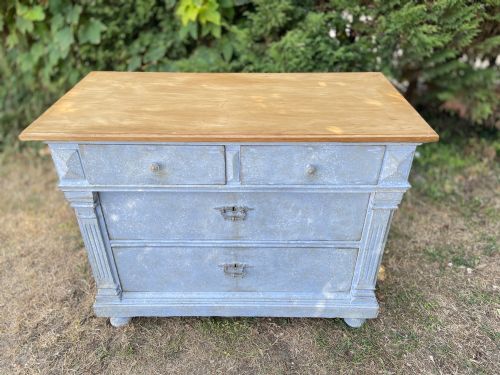
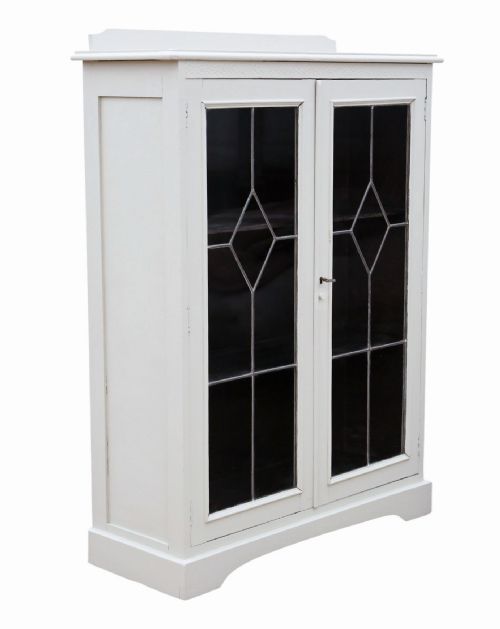
Current listings feature oil paintings, chests of drawers, display cabinets, console tables, and bookcases from the seventeenth to the twentieth century.
What varies in quality
Quality in these artworks and furnishings rests upon the precision of the brushwork in the portraits and the crispness of the geometric carving on the furniture. Finer oil paintings exhibit careful rendering of fabrics, such as azure cloaks and diamond clasps, whilst superior furniture displays deeply bevelled diamond-point facets.
The integrity of the original painted wood finishes and giltwood frames significantly influences the standing of each piece. Surviving historical surfaces on Scandinavian cupboards and French commodes maintain greater visual coherence than heavily restored or later repainted examples.
Joseph Vivienne·Alfred Wheeler
The Antique Diamond Painting Glossary
- Commode à Pointe de Diamant
- A chest of drawers or commode featuring geometric diamond-point wooden carving across its drawer fronts. This decorative technique creates a faceted, three-dimensional surface resembling cut diamonds.
- Armorial Crest
- A design representing family lineage and heraldic achievements, often painted on glass or canvas during the nineteenth century. These pieces display specific coats of arms associated with historical families.
- Oil on Canvas
- A traditional painting medium where pigments suspended in oil are applied to a stretched woven fabric support. This technique allows for rich blending of colours and lasting durability.
- Gustavian Style
- A Swedish interpretation of French neoclassical design, characterised by light painted finishes and restrained ornamentation. Pieces from this style often utilise pine and feature muted grey, white, or cream paint.
- Giltwood Frame
- A wooden picture frame coated with a thin layer of gold leaf or metallic gilt. These frames frequently accompany oil paintings from the seventeenth to the nineteenth centuries.
Antique Diamond Painting: Frequently Asked Questions
What is a diamond-point commode?
A diamond-point commode is a piece of furniture featuring wooden drawer fronts carved into repeating geometric diamond facets. This style gained prominence in French furniture design during the eighteenth and nineteenth centuries.
The carving technique creates strong visual depth and texture on the wooden surface. These commodes often appear in French Gustavian or Baroque revival styles.
How should I care for oil on canvas paintings?
Oil on canvas artworks require stable indoor humidity and protection from direct sunlight to prevent paint cracking and fading. Dusting should be performed gently with a soft, dry brush.
Avoid using liquid cleaners or hanging canvas paintings near heat sources. Professional conservators should handle any structural repairs to the canvas or giltwood frame.
What periods do these pieces represent?
The listings span from the seventeenth century through the Victorian era and into the early twentieth century. This includes specific production dates around seventeen hundred, eighteen fifty, eighteen ninety, and nineteen twenty.
Each period brings distinct stylistic traits, from seventeenth-century portraiture to Art Deco cabinetry. Scandinavian country and French regional styles are well represented across the nineteenth-century pieces.
How are painted pine cupboards cleaned?
Painted pine furniture should be maintained by dusting with a clean, dry microfibre cloth. Avoid harsh chemical polishes that can damage historic painted finishes.
Keeping these cupboards away from excessive moisture preserves the integrity of the pine wood and the painted surface. Natural wax can be applied sparingly to unpainted interior sections if needed.