

Antique Diamond Claw Ring
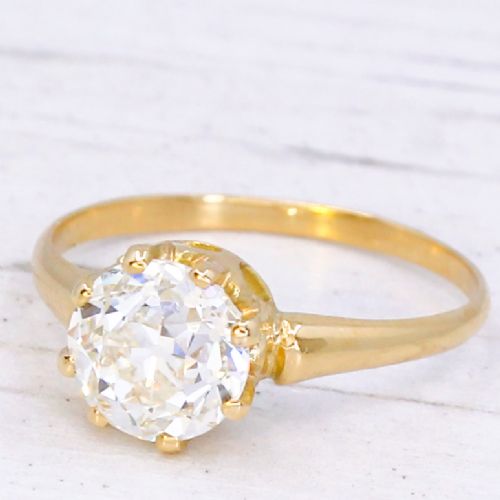
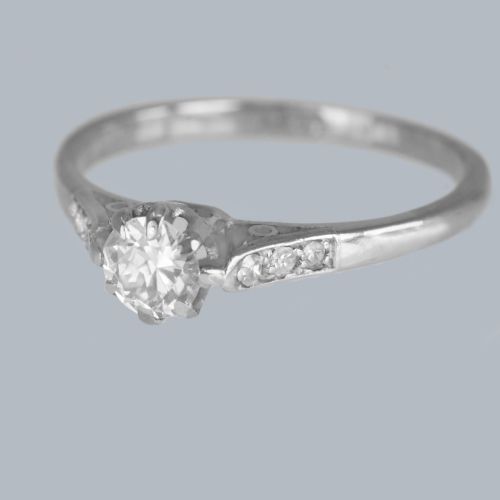
An antique diamond claw ring holds stones aloft in metal prongs to catch the light, spanning Victorian, Edwardian, Art Deco, and mid-century eras.
Antique Diamond Claw Ring
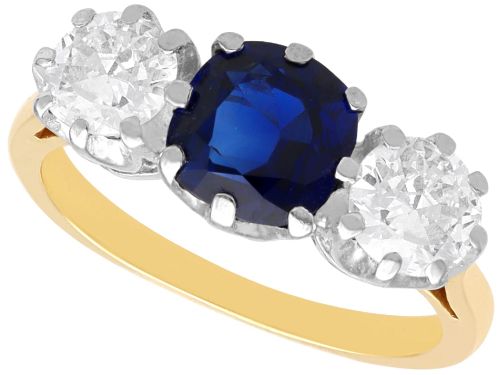
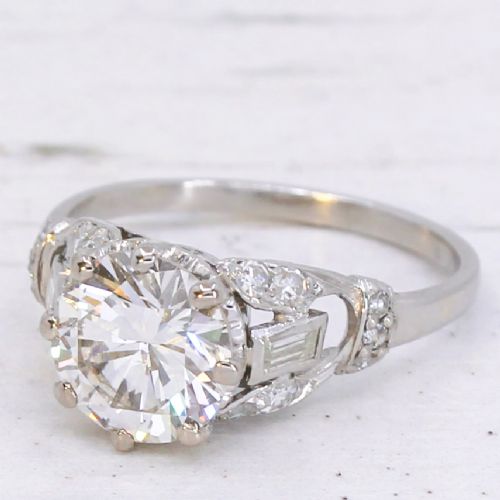
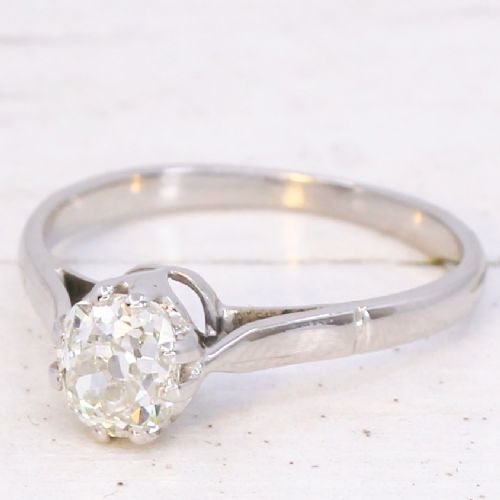
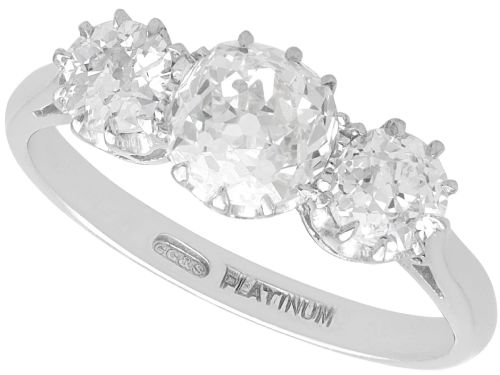
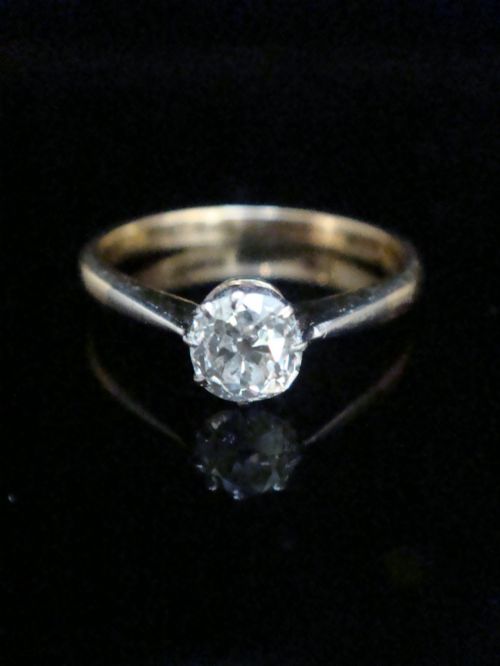
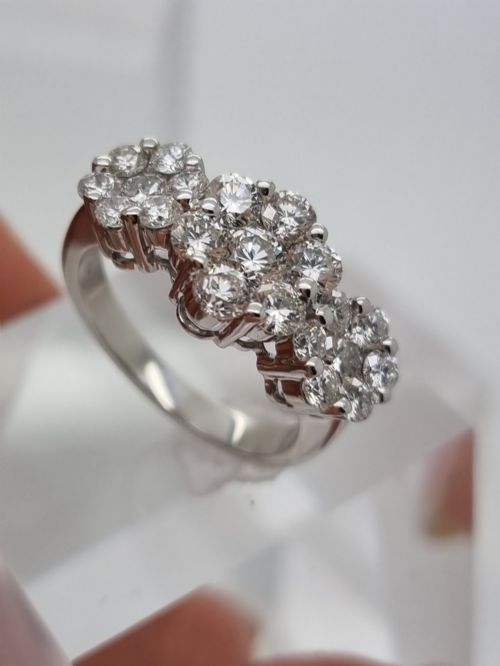
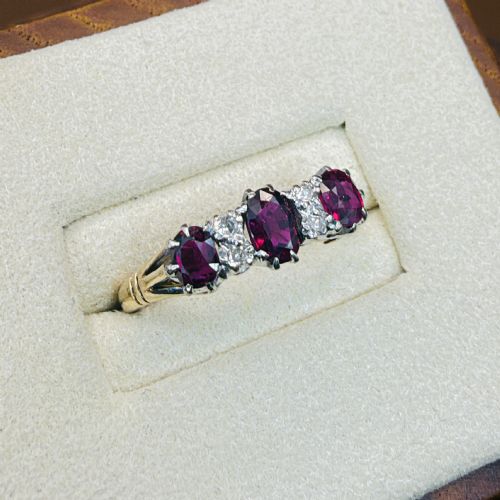
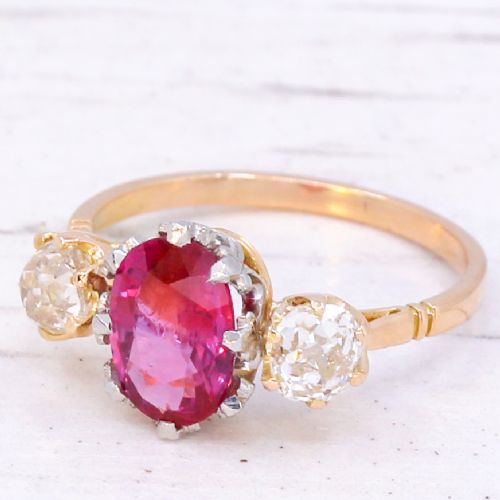
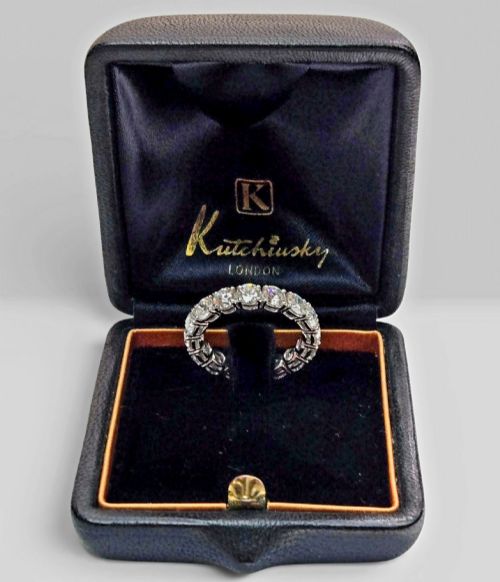
The pieces on this page originate from the Victorian and Edwardian periods through the 1920s Art Deco era and onward into the 1950s and 1960s. Solitaires and five-stone bands appear frequently alongside intricate geometric clusters.
Makers utilised platinum and various forms of gold, including 18ct yellow and 18ct white gold, to construct settings that range from traditional bands to elaborate diamond-set shoulders.
How they were made
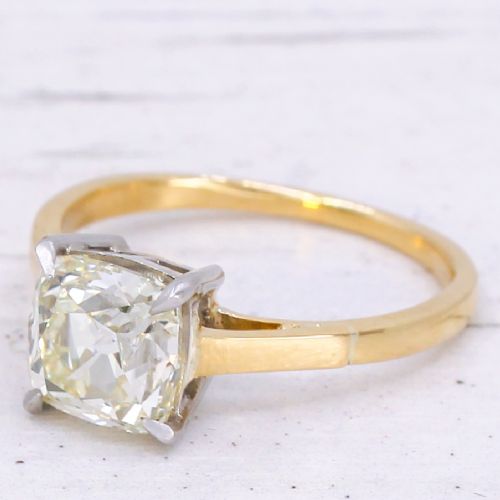
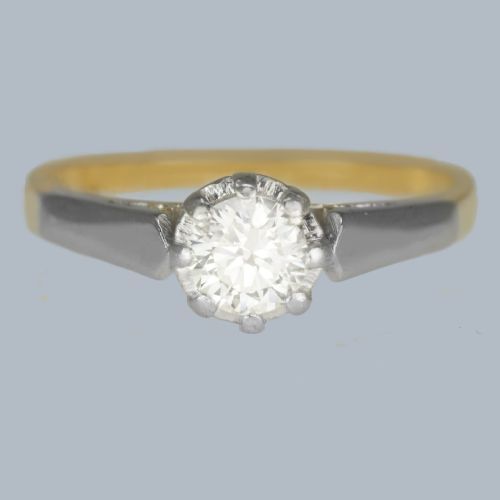
Goldsmiths shaped platinum and 18ct gold to form the bands and structural mounts, often combining yellow gold shanks with white metal heads to enhance the visual brightness of the stones. Individual prongs were filed and bent over the girdle of each diamond to secure it firmly.
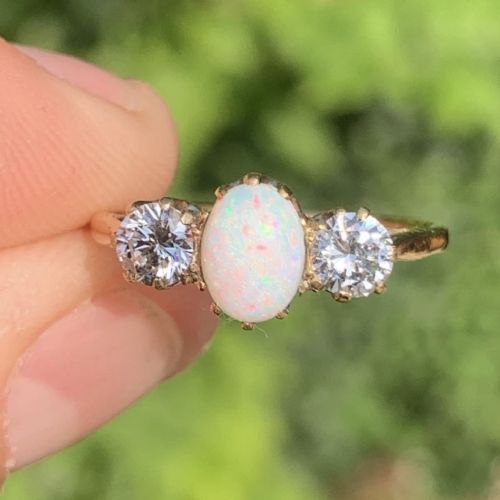
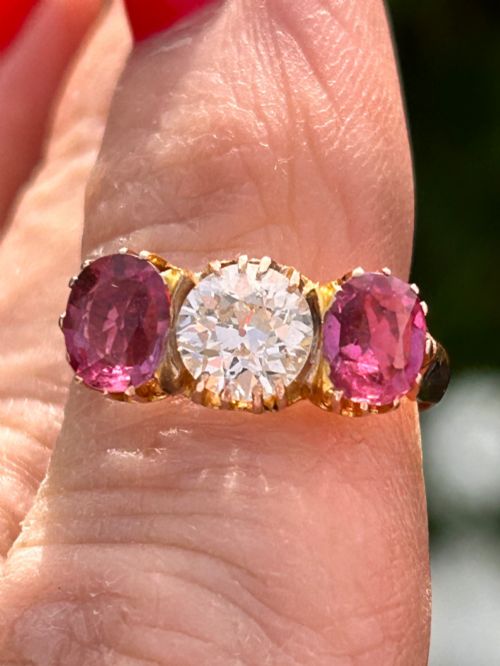
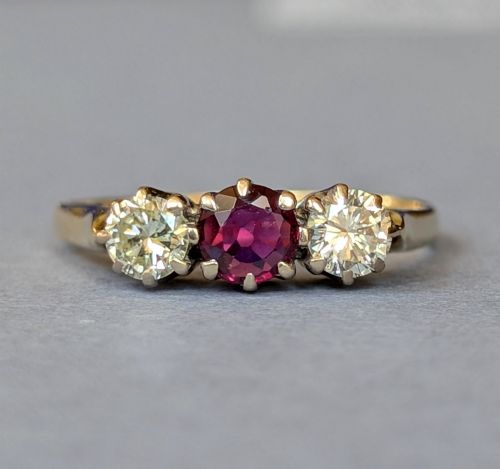
Diamonds were shaped by hand using historical cutting techniques such as old cut, old European cut, old mine cut, and pear cut. These stones were paired with rubies, sapphires, turquoises, and pearls in cluster, trilogy, and multi-stone configurations.
Antique Diamond Claw Ring Retail Price Guide 2026
Typical asking prices for diamond claw ring among the pieces listed under this phrase on Sellingantiques today, from the lower quarter to the upper quarter. They describe what is for sale here now, not the wider market.
Some old cut diamonds hide deep culets at their base, offering a tiny window straight through the heart of the stone.
What varies in quality
The calibre of the central diamond and the accompanying coloured gemstones dictates the standing of the piece. Larger stone weights, older cuts like old mine or old European facets, and unheated rubies or Burmese sapphires distinguish finer examples.
The precision of the metalwork influences the overall standard, particularly in the formation of the claw settings and the delicacy of any diamond-set shoulders or millegrain edges executed in platinum or 18ct gold.
The Antique Diamond Claw Ring Glossary
- Claw setting
- A mounting style that uses individual metal prongs to hold a gemstone, allowing maximum light to enter the pavilion and facets.
- Old cut
- A historical diamond cutting style characterised by a high crown, small table, and deep pavilion, producing broad light flashes under candlelight.
- Trilogy ring
- A ring featuring three primary stones, traditionally symbolising the past, present, and future of a relationship.
- Cluster ring
- A design where a central gemstone is surrounded by a border of smaller stones, often diamonds framing a ruby or sapphire.
- Toi et Moi
- A French term meaning you and me, describing a ring featuring two prominent main stones set side by side in the band.
Antique Diamond Claw Ring: Frequently Asked Questions
How do I wear an antique claw ring safely?
Wearing an antique claw ring daily requires gentle care to protect the elevated settings and older stones from sharp impacts.
It is wise to remove the ring during manual tasks and store it separately from other jewellery to prevent scratches.
How can I tell the period of a ring?
The period of a ring is identified by its distinctive design characteristics, mounting styles, and the specific historical cuts of the diamonds used.
Victorian and Edwardian pieces often feature ornate gallery work or pearls, while Art Deco examples display geometric platinum mounts.
What metals were used in these rings?
Jewellers constructed these pieces primarily using 18ct yellow gold, 18ct white gold, and durable platinum.
Combination settings frequently pair a yellow gold band with a bright platinum or white gold head to enhance the appearance of the diamonds.