




Antique Desktop Tobacco Box
An antique desktop tobacco box is a sturdy receptacle designed to store smoking leaf, and you will most frequently encounter handsome oak or burr walnut models from the Victorian and Edwardian periods.
Antique Desktop Tobacco Box
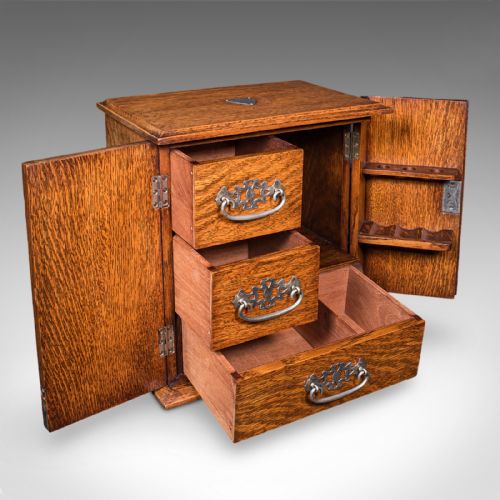
When you search for an antique desktop tobacco box, you are looking at utilitarian containers and tabletop cabinets created to keep smoking materials organised in studies, clubs and drawing rooms. The pieces represented here span the nineteenth and twentieth centuries, taking the form of simple wooden boxes, multi-drawer cigar humidors and fitted smoking cabinets.
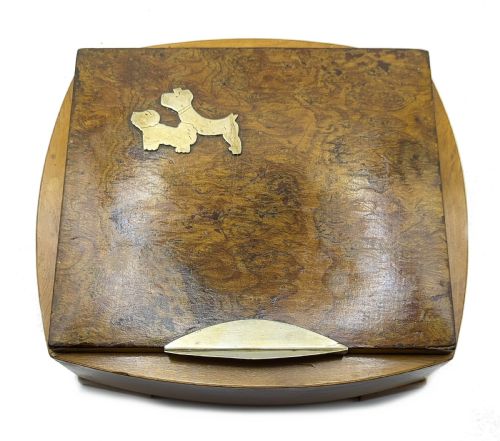
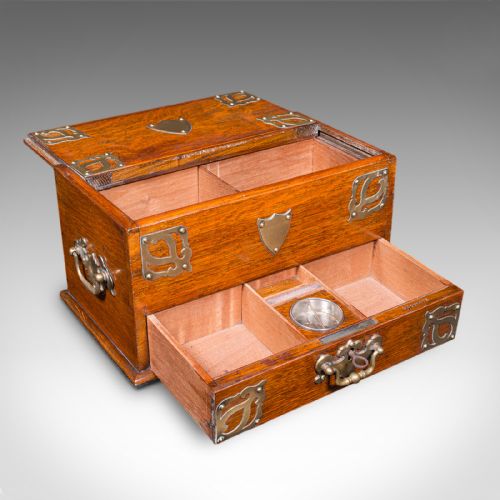
The versions you are most likely to meet on this page date from the Victorian and Edwardian eras, executed in timbers like oak and burr walnut, alongside novelty items from the art deco decades. They range from modest lidded wooden boxes to elaborate locking cabinets equipped with brass mounts and interior compartments for cigars and pipes.
Materials and Construction
Cabinetmakers utilised durable hardwoods such as oak, burr walnut, and burr elm to construct the bodies of these boxes, often selecting timber with rich figuring for the exterior surfaces. These wooden structures were frequently fitted with heavy brass hinges, locks, and carrying handles to withstand regular daily use.
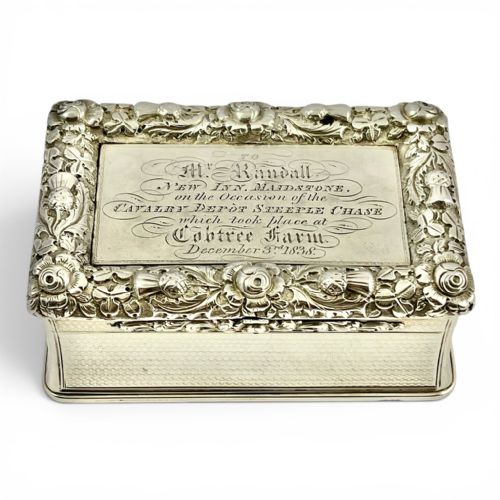
Metal components also played a prominent structural and decorative role, with sterling silver, silver plating, and beaten brass appearing on snuff boxes, novelty cigarette containers, and oriental silver plate bamboo-decorated examples. Interior fittings combined the primary timber with glass containers and specialised metal humidifiers to preserve the tobacco.
Antique Desktop Tobacco Box Retail Price Guide 2026
Typical asking prices for desktop tobacco box among the pieces listed under this phrase on Sellingantiques today, from the lower quarter to the upper quarter. They describe what is for sale here now, not the wider market.
The styles represented across these listings span Victorian, Edwardian, art deco, and Anglo-Indian design traditions.
Assessing Quality and Execution
The distinction between standard examples and superior pieces rests upon the choice of timber and the sophistication of the joinery. Finer specimens display skillfully selected burr veneers, tight dovetail joints, and well-fitted internal drawers or compartments that operate smoothly.
Hardware quality further divides the range, where heavy cast brass mounts, working locks with original keys, and hallmarked silver elements indicate higher workshop standards. The presence of specialised internal fittings, such as tambour doors or integrated humidifying units, demonstrates a more ambitious original commission.
Alfred Dunhill
The Antique Desktop Tobacco Box Glossary
- Humidor
- A sealed box or cabinet designed to maintain optimal humidity for cigars and tobacco. These interiors often incorporate natural woods or specialised linings.
- Tambour
- A type of sliding door constructed from narrow strips of wood glued to a flexible fabric backing. It allows smooth operation around curved cabinet fronts.
- Burr Walnut
- A figured timber obtained from the wart-like growths on walnut trees, prized for its swirling grain patterns. It was frequently used for veneering fine Victorian desktop boxes.
- Snuff Box
- A small hinged container used for holding powdered tobacco. These items are often fashioned from precious metals like silver.
- Smoker's Cabinet
- A small tabletop piece of furniture containing fitted shelves, pipe racks, and drawers for storing smoking paraphernalia. They often feature locking doors.
Antique Desktop Tobacco Box: Frequently Asked Questions
What is an antique desktop tobacco box?
An antique desktop tobacco box is a lidded container or small tabletop cabinet intended for storing smoking leaf, cigars, or pipes on a desk or table. These items were essential accessories in studies and drawing rooms from the nineteenth century onwards.
They range from simple wooden boxes to elaborate locking cabinets with multiple internal drawers and humidifying elements. Their primary purpose was to keep tobacco fresh while maintaining a tidy desktop.
How do I care for wooden humidor boxes?
Wooden humidor boxes require stable indoor humidity and protection from direct sunlight to prevent the timber and veneers from warping or cracking. Regular gentle dusting with a dry cloth helps preserve the polished finish.
Avoid placing these boxes near radiators or extreme heat sources. If the piece includes metal mounts or silver elements, use appropriate non-abrasive cleaners sparingly.
How do I identify Edwardian smoking pieces?
Edwardian smoking pieces typically date from the early twentieth century and often exhibit lighter oak construction, simpler arts and crafts influences, or practical gentleman's club styling. They focus heavily on functional storage for pipes, matches, and tobacco.
Comparing the hardware style, lock mechanisms, and overall aesthetic with dated examples helps confirm the period. The use of plain golden oak and tambour doors is particularly characteristic of this era.