


Antique Desktop Stand
An antique desktop stand brings order and character to a workspace, offering a practical anchor for papers, books, and writing tools.
Antique Desktop Stand
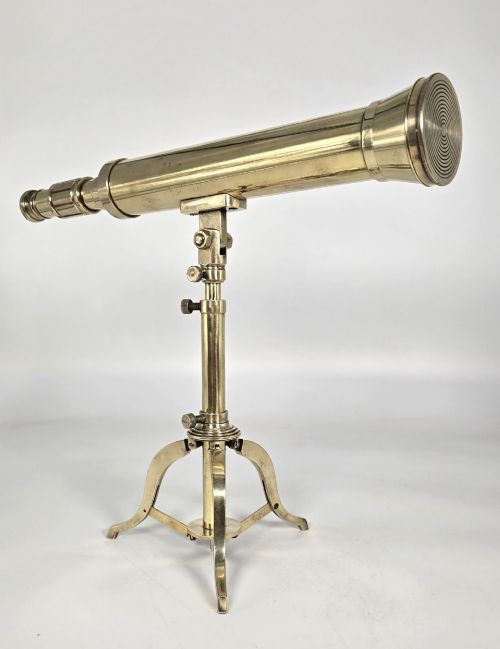
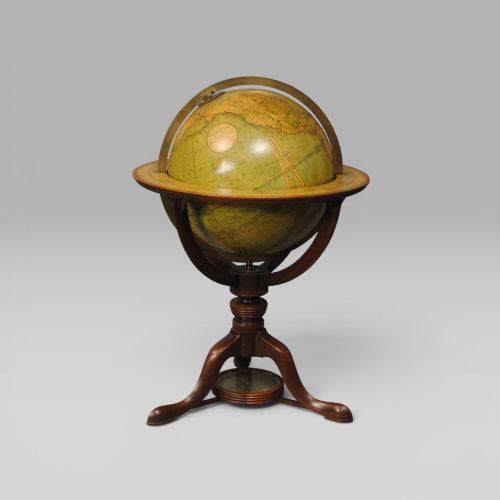
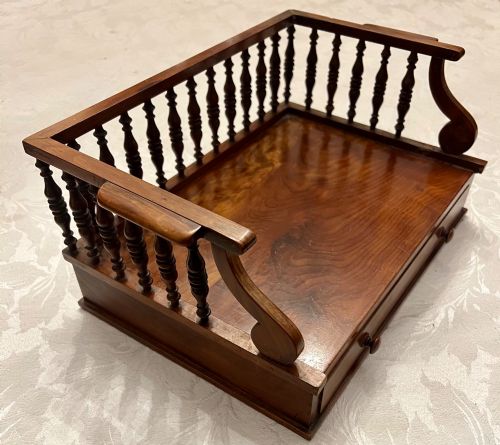
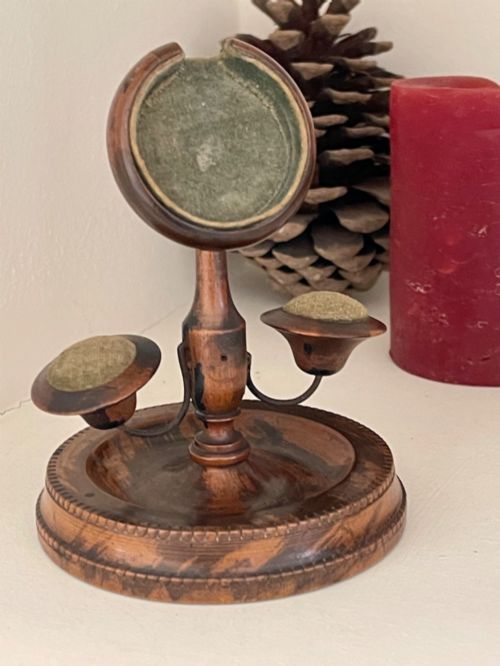
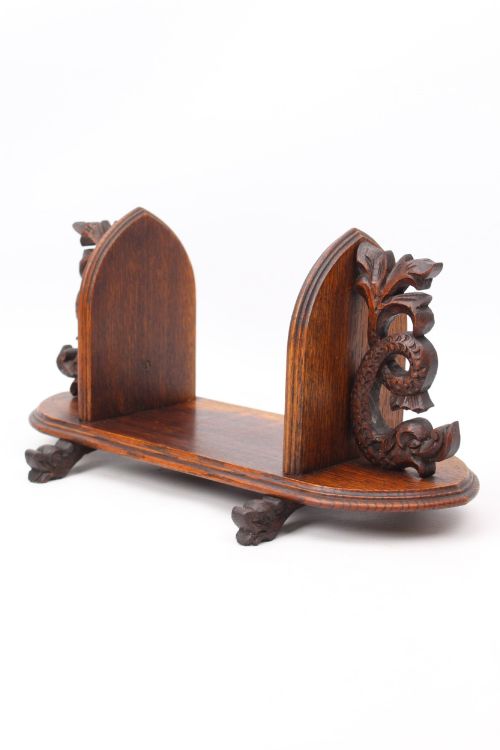
When you search for an antique desktop stand, you encounter a varied assortment of writing and reading accessories designed for the nineteenth and early twentieth-century desk. These pieces originate from periods spanning the Georgian era through to the 1930s, encompassing styles such as Victorian, Edwardian, Regency, and Gothic Revival.
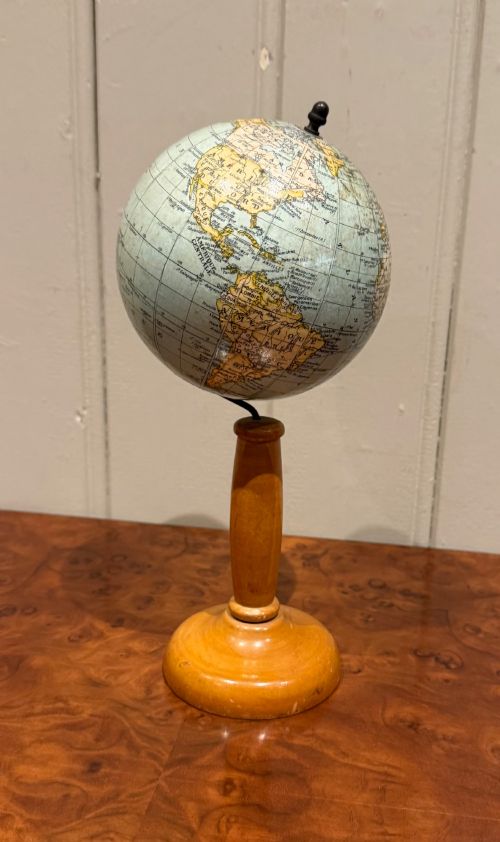
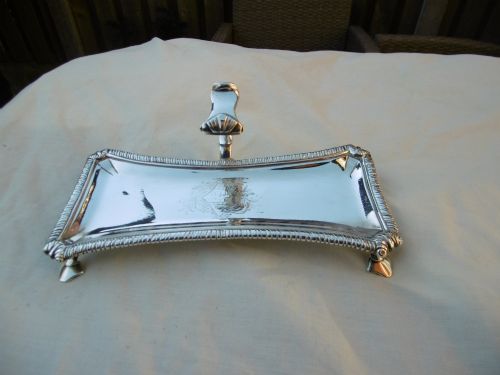
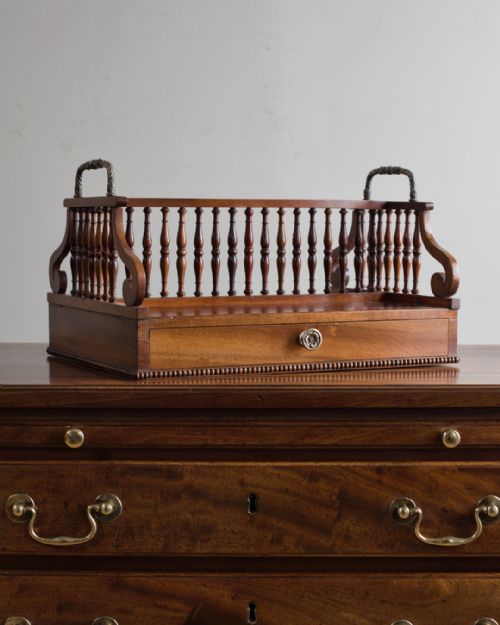
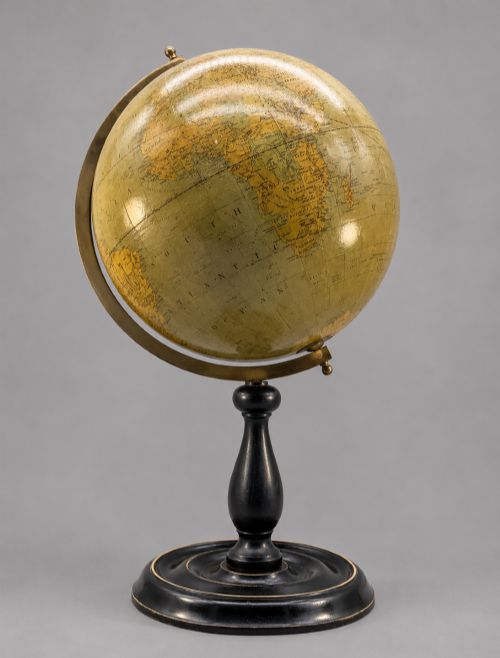
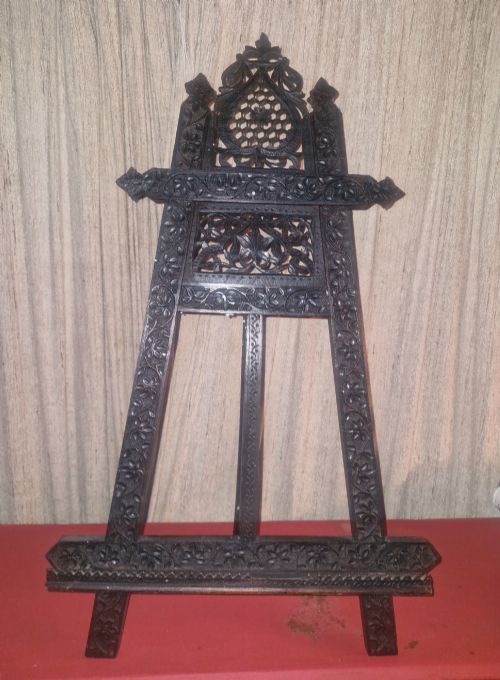
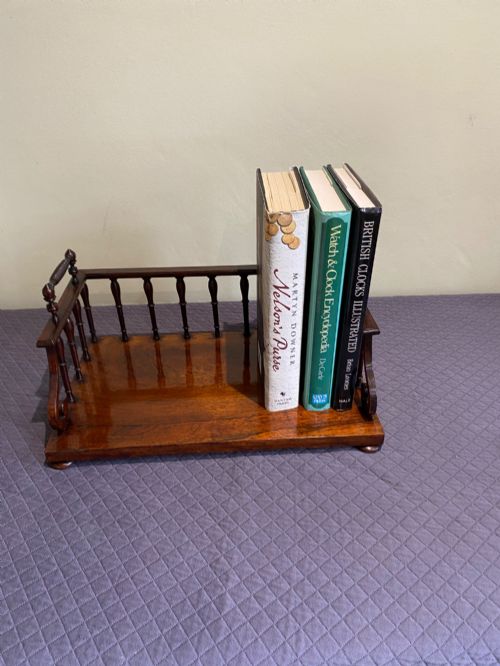
The selection includes extending book slides, terrestrial globes, inkstands, tabletop mirrors, easels, and desk calendars. Oak, mahogany, and walnut appear frequently alongside brass, glass, and ebonised wood, reflecting the practical needs of past studies and libraries.
Materials and Construction
Cabinet makers utilised dense hardwoods such as mahogany, oak, walnut, and rosewood, often pairing them with brass hinges, mounts, and fittings. Wood surfaces frequently received hand-polished finishes to highlight the natural grain.
Alternative items incorporate paper, papier-mâché, and glass, particularly in the creation of globes and desk sets. Metalwork components, including brass and sterling silver, display casting, engraving, and mounting techniques typical of their respective periods.
Antique Desktop Stand Retail Price Guide 2026
Typical asking prices for desktop stand among the pieces listed under this phrase on Sellingantiques today, from the lower quarter to the upper quarter. They describe what is for sale here now, not the wider market.
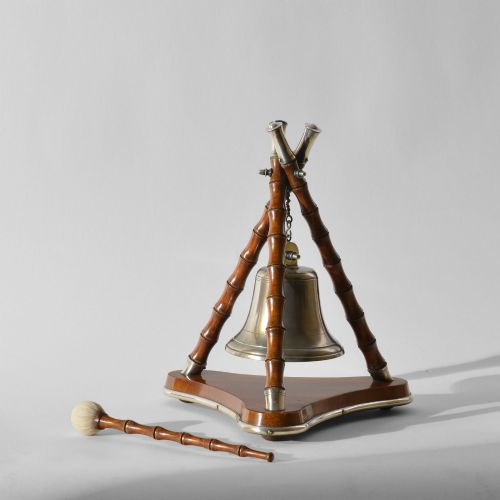
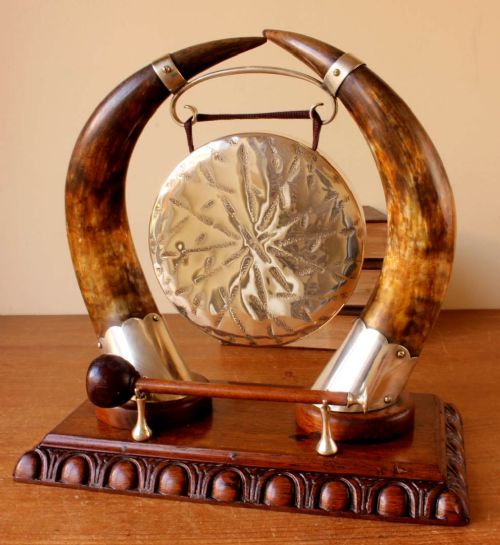
A tuned musical bell rack waits patiently on the desk, ready to summon assistance with a merry chime.
Craftsmanship and Material Selection
Superior examples demonstrate meticulous attention to detail in joinery, such as tightly fitted dovetails and smooth action in extending mechanisms like book slides and revolving bookcases. The choice of well-figured timbers and substantial brass mountings elevates the status of a piece.
Lower quality items often rely on simpler construction methods, thinner veneers, or replacement hardware that disrupts the integrity of the period design. The crispness of carved ornamentation and the legibility of printed globe gores further distinguish finer productions from standard workshop output.
Cary London·Lebegue And Cie·Thomas Rubergall·J Hicks·J Forest
The Antique Desktop Stand Glossary
- Book slide
- An extending desktop accessory designed to hold a variable number of upright books between two end supports.
- Inkstand
- A tray or stand incorporating one or more inkwells, often with dedicated channels for holding pens.
- Terrestrial globe
- A spherical map of the Earth mounted on a stand, frequently produced for educational or desk use during the nineteenth century.
- Ebonised wood
- Timber treated with a dark stain or finish to imitate the appearance of ebony, common in Victorian decorative objects.
- Papier-mâché
- A composite material made from paper pulp or sheets mixed with glue, moulded and lacquered to form durable desk sets.
Antique Desktop Stand: Frequently Asked Questions
What is an antique desktop stand?
An antique desktop stand is a functional desk accessory from past centuries, designed to organise writing materials, books, or instruments.
These pieces range from simple wooden book slides to elaborate inkstands and globes utilised in nineteenth and early twentieth-century studies.
How were antique book slides used?
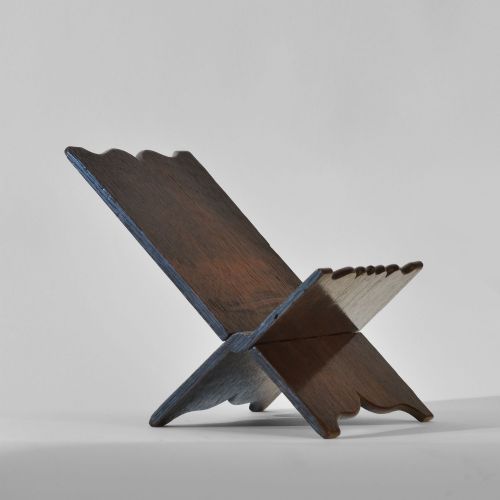
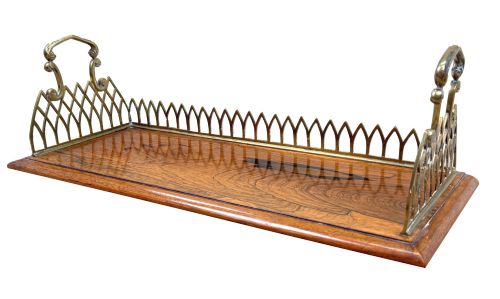
Book slides held a selection of volumes upright on a desk or table, allowing the owner to adjust the length as books were added or removed.
They sat conveniently at hand for quick reference during writing or reading tasks.
How do I date an antique desk accessory?
Dating relies on identifying the prevailing style, such as Regency or Edwardian, alongside the timber species and manufacturing techniques used.
Makers' signatures, dates printed on globes, and hallmarks on silver mounts also provide precise chronological markers.
How do I clean wooden desk stands?
Wooden stands benefit from gentle dusting with a soft, dry cloth to remove surface particles without disturbing the finish.
Periodic application of appropriate wax polish helps maintain the lustre of hardwoods like mahogany and oak.