
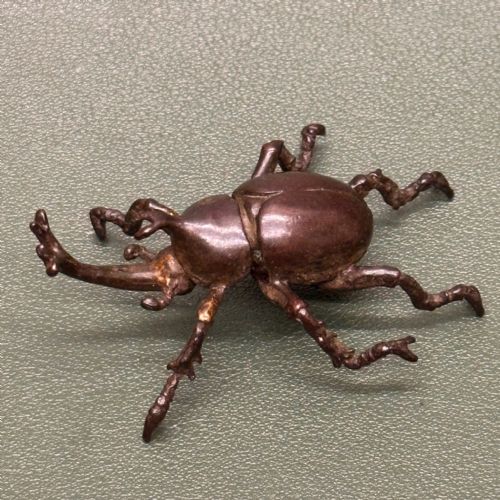


Antique Desktop Ornament
An antique desktop ornament brings tactile weight and character to a workspace through small bronzes, models, and functional desk objects.
Antique Desktop Ornament
Every antique desktop ornament is a small-scale functional or decorative piece intended for use or display upon a desk, table, or mantelpiece. The selection here spans the nineteenth century through the mid twentieth century, encompassing varied international workshops and distinct decorative movements.
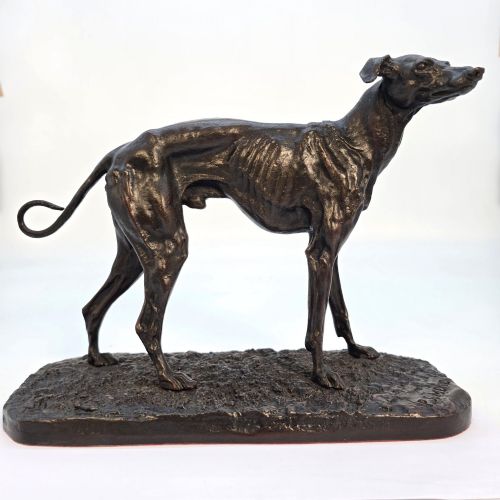
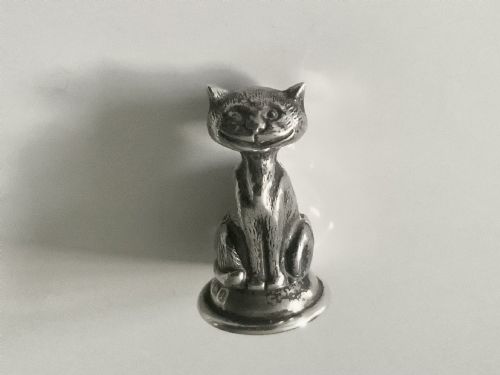
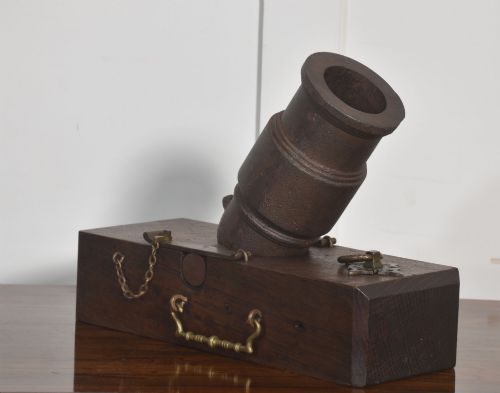
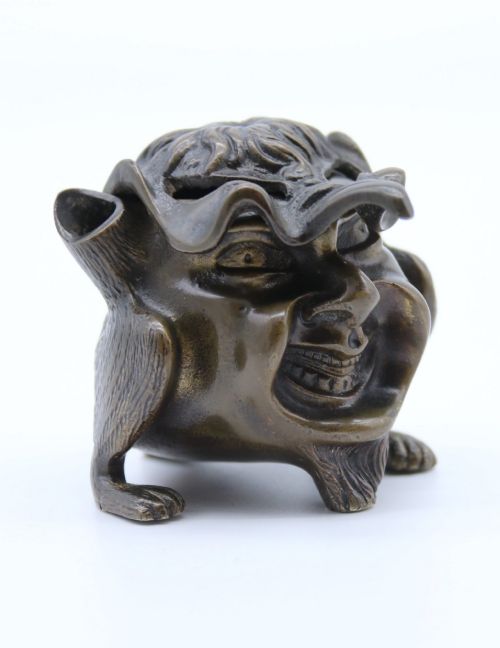
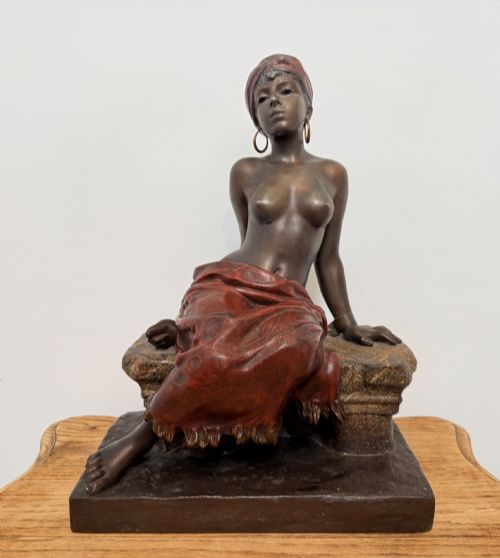
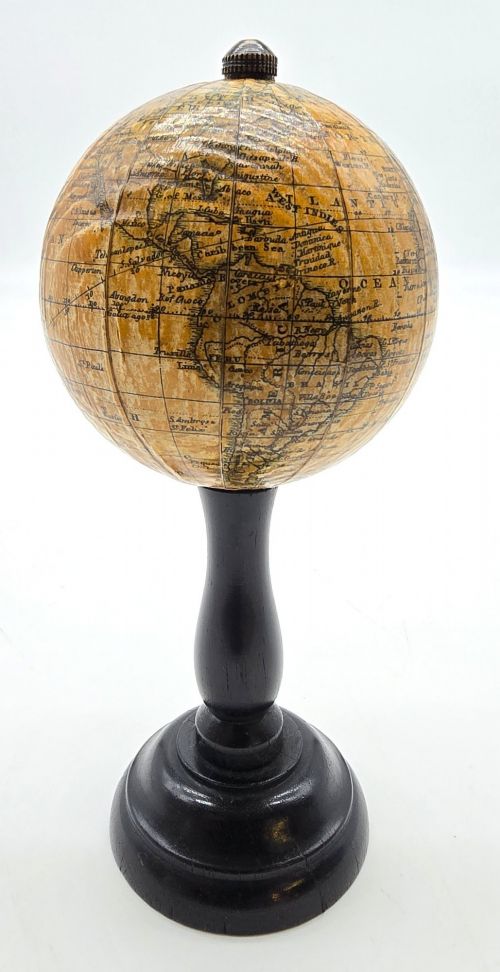
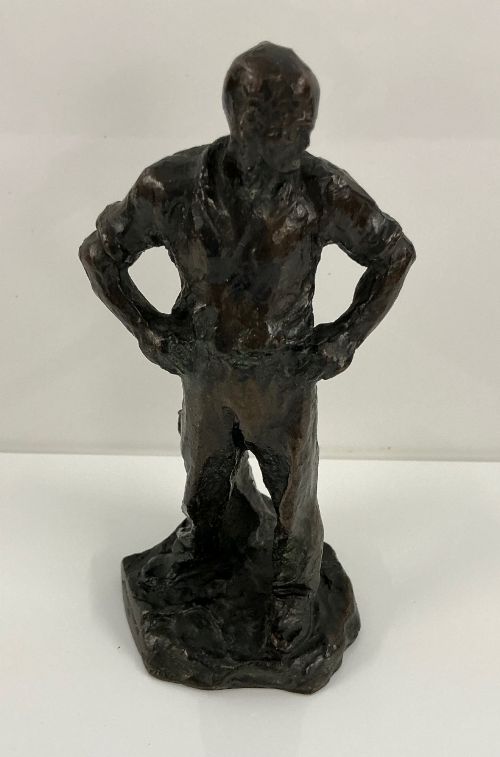
The objects on this page include miniature sculptures, inkwells, desk seals, paperweights, scale models of vehicles, and artillery pieces. These items reflect the personal tastes and desk habits of past owners who appreciated fine metalwork and intricate detail within their immediate workspace.
Materials and construction methods
Foundry casting dominates the metal pieces in this selection, utilising bronze, brass, cast iron, and sterling silver. Many of these metal objects employ traditional lost-wax casting or sand-casting techniques to achieve sharp detail in figures and ornamentation.
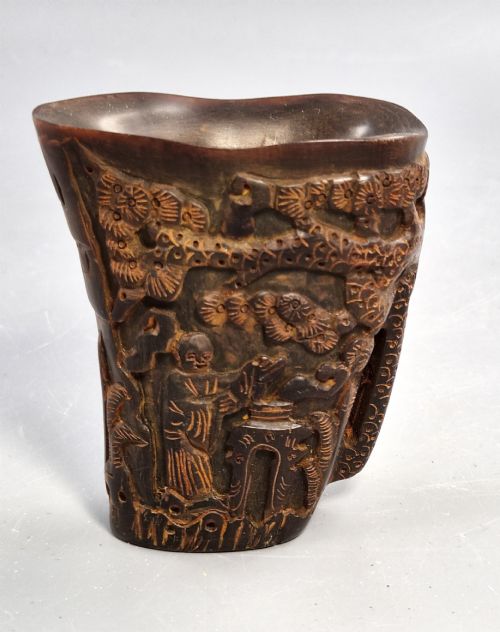
Makers also incorporated organic and mineral materials such as carved horn, marble, ebony, and jade alongside metal components. Gilding, champlevé enamel, and cold painting frequently appear as surface finishes applied to cast metal bases.
The listings feature objects spanning the nineteenth century through the mid twentieth century, constructed from bronze, brass, cast iron, marble, and silver.
Distinctions in quality
Quality rests upon the crispness of the casting and the precision of the chasing, where sharper relief and cleaner lines reveal the skill of the original hand. Pieces that retain their original patination, gilding, or cold-painted surfaces demonstrate superior preservation.
Design complexity and the presence of maker signatures or foundry marks elevate certain items above standard production pieces. A well-proportioned model or a finely detailed figural study displays artistic intent that distinguishes exceptional work from simpler decorative items.
E Villanis·Jules Dalou·H Risch·Bruno Zach·Leonhard Posch·Isidore Bonheur·Jules Moigniez
The Antique Desktop Ornament Glossary
- Animalier
- A nineteenth-century artistic movement focused on the realistic depiction of animals, particularly in bronze sculptures. Artists in this tradition studied anatomy closely to capture movement and posture.
- Cold painted
- A technique where paint is applied to a cold bronze object, usually an Austrian specialty, rather than fired in a kiln. This finish is delicate and prone to rubbing over time.
- Champlevé enamel
- An enamelling technique where troughs or cells are hollowed out of a metal surface and filled with vitreous enamel before firing. The surrounding metal remains visible as part of the design.
- Ormolu
- Gilt bronze, created by applying a finely ground high-carat gold-mercury amalgam to a bronze object. The mercury is driven off by heat, leaving a rich gold coating.
- Patina
- The surface sheen and colour acquired by materials like bronze, silver, or wood through age, handling, and oxidation. A stable patina is valued by collectors for its authenticity.
Antique Desktop Ornament: Frequently Asked Questions
What counts as an antique desktop ornament?
An antique desktop ornament is any small sculptural, functional, or decorative object created for use on a desk during the nineteenth or early twentieth centuries. These range from inkwells and paperweights to miniature bronze animals and model vehicles.
They reflect the material culture and decorative arts of periods such as the Victorian era, Art Nouveau, and Art Deco. Their common thread is small scale and placement in a working or writing environment.
How were antique desk models used?
Many desk models served as commemorative items, conversation starters, or tangible expressions of a collector's specific interests. Scale models of aircraft, ships, and artillery pieces often marked technological achievements or military service.
Other items combined display with utility, such as inkwells for writing correspondence, desk seals for stamping wax, or paperweights for securing loose documents.
How do I care for bronze desk objects?
Bronze desk ornaments require minimal intervention to preserve their historic surfaces. Dust them gently with a soft, dry brush and avoid chemical polishes that can strip away the original patina.
Keep them away from direct sunlight and excessive moisture to protect any applied finishes, enamel work, or wooden bases.
How can I tell the period of a metal ornament?
Dating relies on stylistic clues, manufacturing techniques, and any accompanying marks or signatures. Pieces often exhibit the distinct aesthetic traits of movements like Victorian design, Neoclassicism, or Art Deco.
Examination of the metal casting quality, wear patterns, and fastening methods also helps determine whether a piece originates from the nineteenth century or later periods.