


Antique Desk Shelves
These antique desk shelves and desktop organizers bring order to correspondence through period timber and metal work.
Antique Desk Shelves
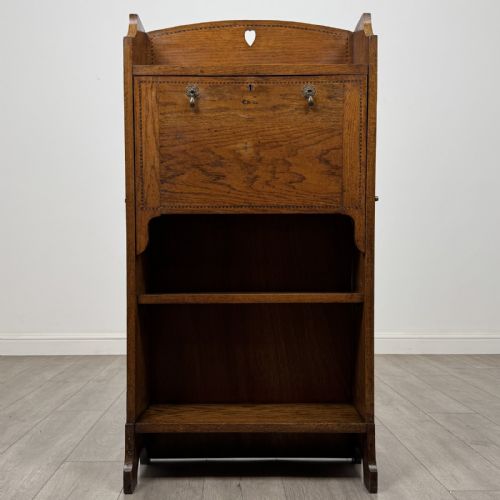
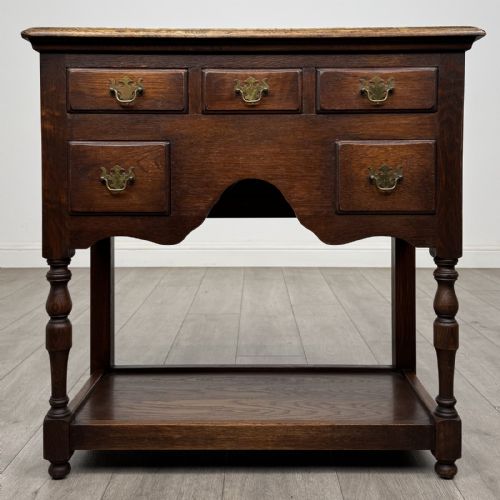
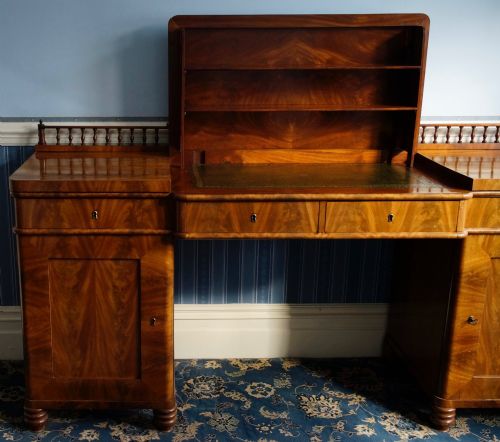
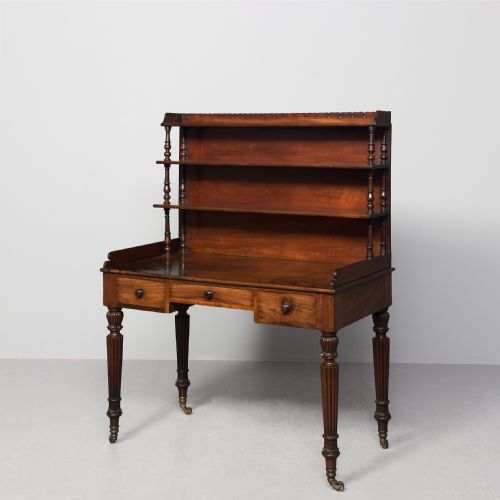
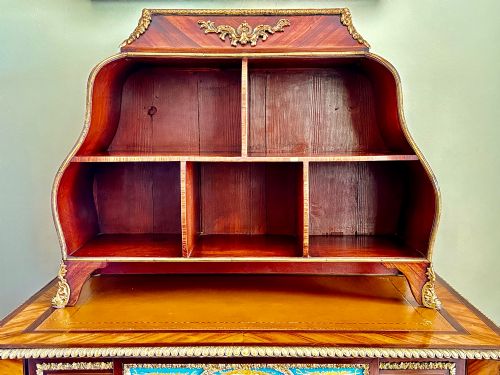
When you search for antique desk shelves, you encounter writing furniture and desktop accessories designed to hold letters and papers. The selection includes desk top cartonniers, pigeon holes, and bureaux spanning the nineteenth and early twentieth centuries.
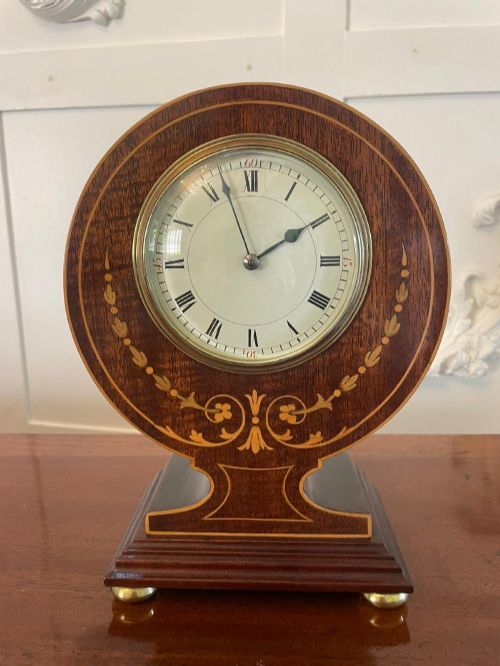
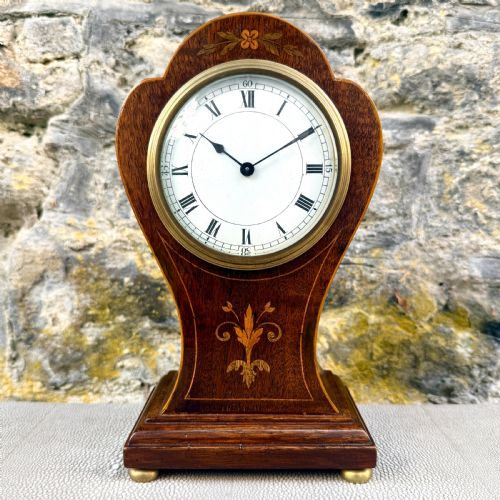
Mahogany and oak dominate the material palette, alongside walnut and rosewood. Pieces range from Edwardian inlaid designs to Victorian and Arts and Crafts examples.
You also see related writing tables and cabinets that provide compartmentalised storage for stationery. These items reflect the domestic and professional administrative habits of the past.
Materials and construction
Cabinet makers utilised dense hardwoods like mahogany and oak, frequently selecting figured veneers for visible surfaces. Joinery techniques such as dovetailed drawers and pegged joints ensure structural durability.
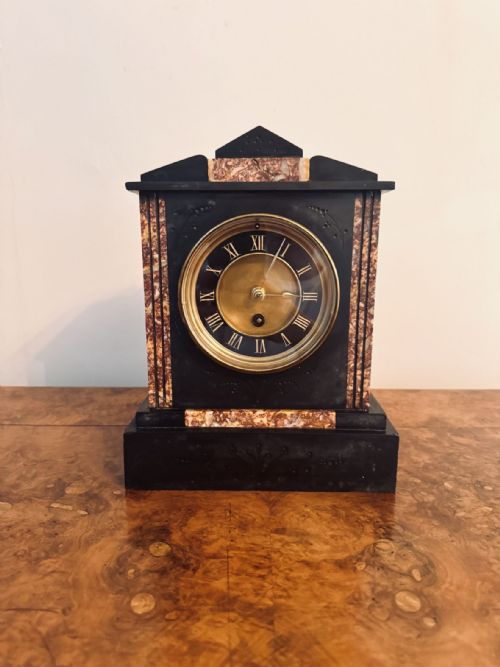
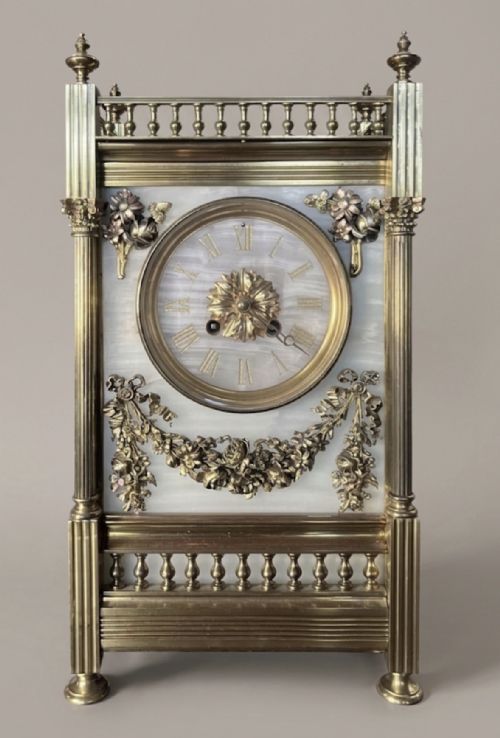
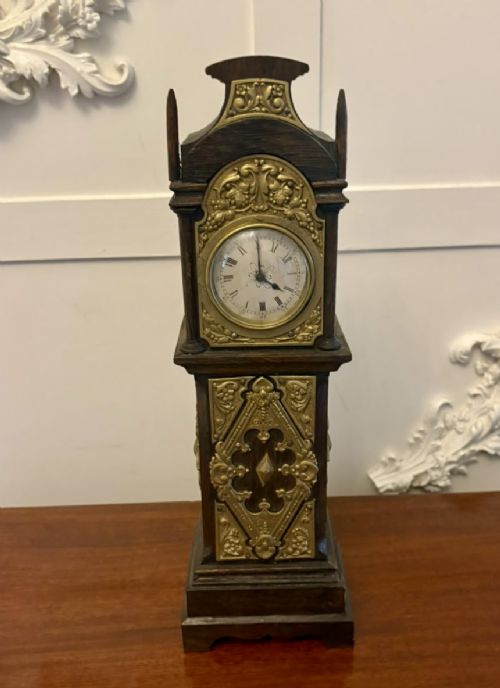
Decorative metal mounts in brass, ormolu, and gilt bronze provide structural accents and hinges. Glass and enamel components appear on associated timepieces and desk furniture, completing the functional assemblage.
Desk accessories and storage forms include cartonniers and pigeon holes alongside bureaux and writing tables.
Judging quality in desk storage
Quality rests upon the selection of timber and the precision of the cabinet work. Superior examples display carefully matched wood grain, crisp carving, and robust internal pigeon hole construction without warping.
The integration of metal mounts and the retention of original fittings distinguish finer pieces from mass-produced alternatives. Consideration of period finishes and structural integrity reveals the original maker's intent.
James Mein of Kelso·Arthur Simpson of Kendal·Gillows·Tudor and Burrey
The Antique Desk Shelves Glossary
- Bureau
- A sloping desk with a hinged flap that conceals drawers and pigeon holes. It serves as an enclosed writing surface.
- Pigeon holes
- Small open compartments arranged in tiers for sorting mail and correspondence. They form the core storage element of desk shelves.
- Inlay
- A decorative technique where contrasting woods or metals are inserted into recessed portions of the base material. Edwardian pieces frequently utilise this method.
- Aesthetic Movement
- A late nineteenth century design style emphasising visual beauty over narrative subject matter. It appears on Victorian furniture and decorative objects.
Antique Desk Shelves: Frequently Asked Questions
What are antique desk shelves used for?
These pieces provide compartmentalised storage for letters, documents, and stationery on top of a writing table or bureau.
They help organise correspondence into structured pigeon holes and drawers, keeping working surfaces clear in period studies and offices.
How do I identify Edwardian desk accessories?
Edwardian pieces often feature light mahogany timbers enhanced with delicate contrasting stringing and inlay work.
They reflect the lighter, more refined domestic taste of the early twentieth century compared to heavier Victorian counterparts.
What woods were used for desk organisers?
Cabinet makers predominantly relied on dense hardwoods like mahogany and oak for structural durability and attractive grain patterns.
Rosewood and walnut also appear on fine nineteenth and early twentieth century examples, sometimes accented with bronze mounts.
How do I care for antique wood surfaces?
Keep wooden desk shelves away from direct heat sources and strong sunlight to prevent the timber and veneers from drying out.
Apply traditional wax polish sparingly and buff with a soft cloth to maintain the natural lustre of the period finish.