





Antique Desk Knife
An antique desk knife brings the refined stationery habits of past centuries directly to the modern writing table.
Antique Desk Knife
When you search for an antique desk knife, you encounter various implements designed for opening mail, slicing pages, and managing correspondence. These objects bridge the gap between utilitarian desk accessories and decorative art, appearing frequently in sterling silver, brass, and plated metals.
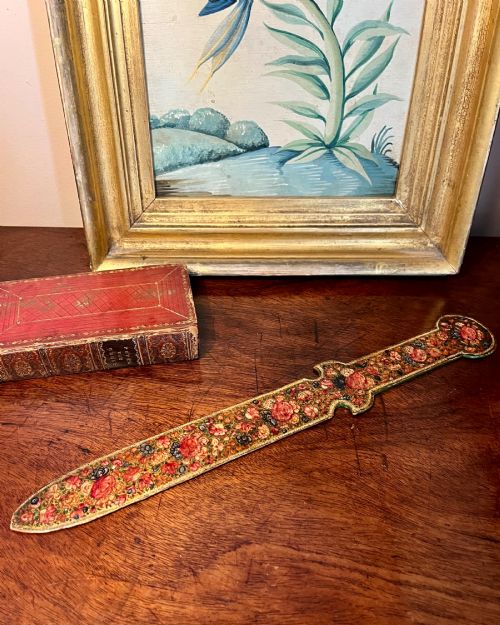
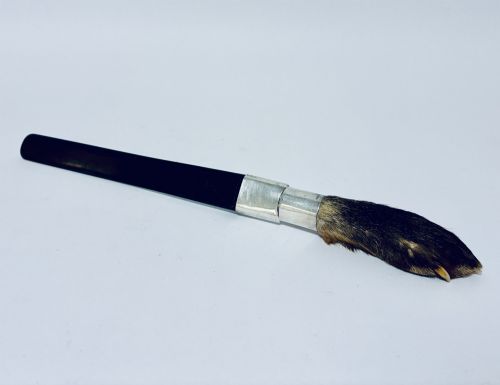
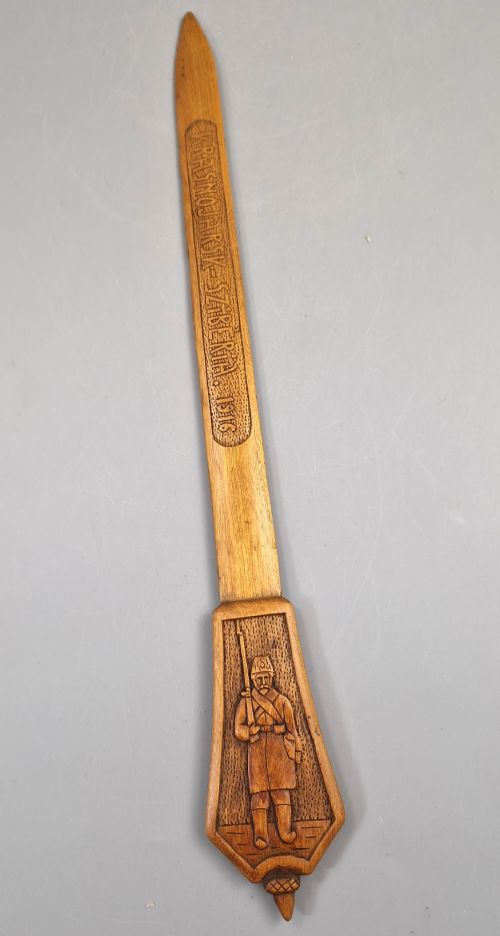
The versions most commonly met on this page date from the Victorian and Edwardian periods, alongside Georgian and Art Deco examples. They take forms such as letter openers, page turners, and stationery boxes, often incorporating organic elements like tortoiseshell, mother-of-pearl, horn, and carved wood.
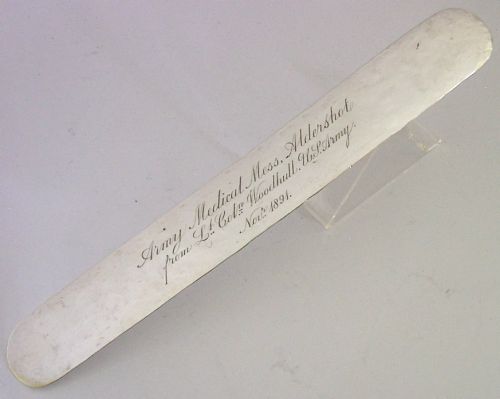
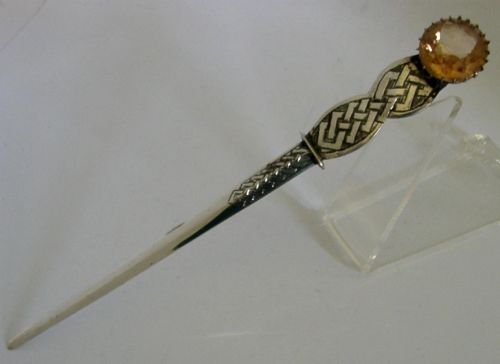
Makers ranged from provincial Scottish silversmiths to major London firms like Asprey and the Barker Brothers. Collectors find everything from military trench art to commemorative pieces celebrating royal jubilees and historical events.
Materials and construction methods
Metals form the structural core of many pieces, utilising sterling silver, silver plate, brass, and pewter cast or forged into blades and handles. Silversmiths applied hallmarks to verify metal purity, marking origins in cities like London, Birmingham, Chester, and Glasgow.
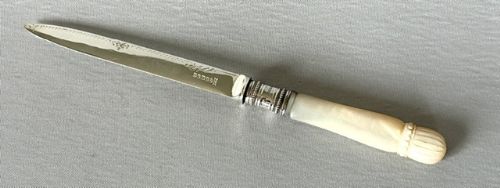
Organic and exotic materials provide contrast, incorporating tortoiseshell, mother-of-pearl, agate, horn, satinwood, mahogany, and ebonised wood. Craftsmen secured these panels to metal mounts using pins, rivets, and specialised adhesives.
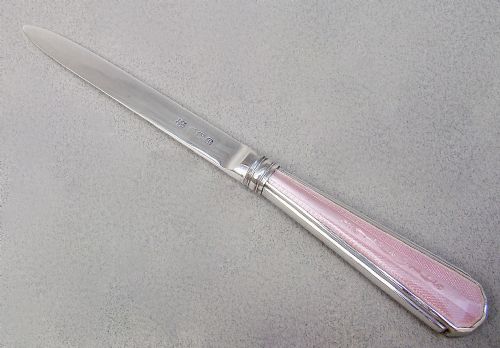
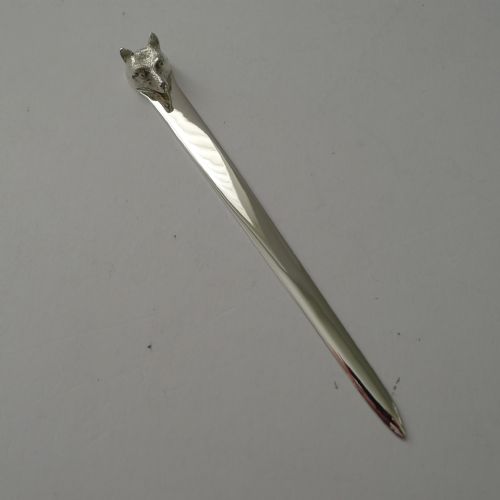
Decorative techniques include guilloché enamel, hand-carved woodwork, inlaid mahogany, and detailed figural casting depicting animals, birds, and mythological figures.
Antique Desk Knife Retail Price Guide 2026
Typical asking prices for desk knife among the pieces listed under this phrase on Sellingantiques today, from the lower quarter to the upper quarter. They describe what is for sale here now, not the wider market.
A four-faced pewter and wood page turner from eighteen-eighty watches every stroke of the pen with simultaneous expressions.
Distinctions in craftsmanship and design
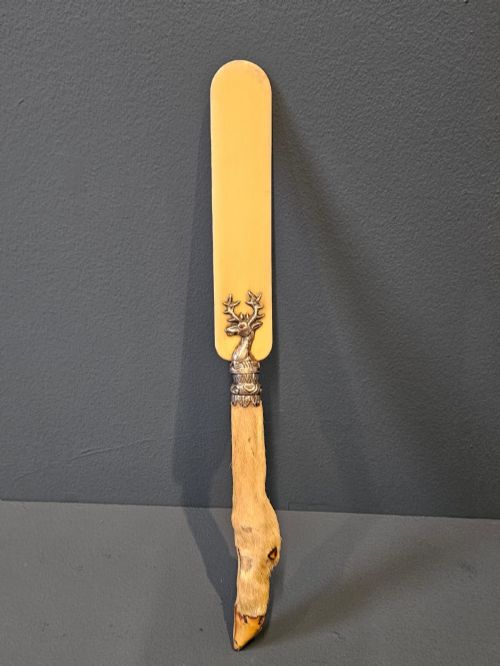
The standard of design separates ordinary office tools from exceptional cabinet pieces. Superior examples feature detailed figural handles, such as carved animal heads or hunting motifs, executed by established retailers and silversmiths.
Material selection dictates much of the visual appeal, where clear agate, flawless tortoiseshell, and vibrant guilloché enamel elevate a simple letter knife into a decorative display object. The integration of mixed media, such as silver combined with connemara marble or horn, points to higher ambition in the workshop.
The Barker Brothers·Asprey·Creswick·Walker Knowles·Moses Brent·A. Barrett
The Antique Desk Knife Glossary
- Page turner
- An implement with a flat, broad blade designed for separating uncut pages in books and periodicals. They often measure longer than standard letter openers and appear in tortoiseshell, wood, or ivory.
- Guilloché enamel
- A decorative technique where a precise, intricate pattern is mechanically engraved into metal beneath a translucent layer of coloured enamel. It frequently surfaces on Art Deco desk accessories.
- Old Sheffield plate
- A composite material produced by fusing a thin sheet of silver to a thicker copper base before rolling them into sheets. This method preceded modern electroplating.
- Trench art
- Objects fashioned by soldiers, prisoners of war, or civilians from military scrap and discarded materials during wartime. Examples include carved wooden openers from the First World War.
- Hallmark
- An official stamp applied by an assay office indicating the metal standard, the maker, and the year of testing. British silver bears these marks for dating purposes.
Antique Desk Knife: Frequently Asked Questions
What is the difference between a letter opener and a page turner?
Letter openers feature narrow, tapered blades intended for slicing open envelope folds. Page turners utilise wider, flatter, and blunter blades designed to slip between folded book signatures without tearing the paper.
While some nineteenth-century examples combine both functions into a single dual-purpose implement, their primary uses dictated their distinct proportions.
Were these items used in offices or homes?
These accessories belonged primarily to domestic writing desks, library tables, and private studies where personal correspondence was managed. They formed part of a coordinated suite of desk items that included inkstands, blotters, and stationery boxes.
Wealthy households maintained multiple writing implements across different rooms, matching the decor of the library or boudoir.
How do I care for silver and organic materials?
Silver components require occasional gentle cleaning with a soft cloth to manage natural tarnishing. Organic elements like tortoiseshell, mother-of-pearl, and wood must be kept away from direct sunlight and excessive moisture to prevent warping or cracking.
Harsh chemical dips should be avoided, particularly where delicate enamels or glued mounts are present.