




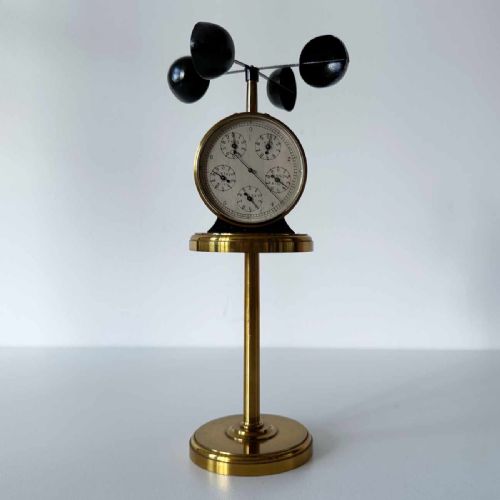


Antique Desk Instrument
An antique desk instrument sits ready for use, bringing practical science and timekeeping from the nineteenth and early twentieth centuries into a modern study.
Antique Desk Instrument
An antique desk instrument encompasses scientific apparatus, barometers, barographs, magnifiers, and writing accessories designed for the working table. These pieces span the Victorian, Edwardian, and Georgian periods, originating from English and European workshops. Buyers encounter mahogany-cased barographs, brass telescopes, and thermometers intended for both utility and display.
The objects served practical functions for gentlemen, scientists, and mariners, recording weather, measuring time, or aiding vision. Many retain fitted wooden cases or original glass covers, preserving their mechanical integrity. Finding a complete piece with its original housing indicates how these instruments functioned in past libraries and offices.
Materials and construction methods
Makers utilised heavy brass for dials, mountings, and optical tubes, pairing the polished metal with glass lenses and dials. Woodworkers housed barographs and barometers in mahogany, oak, rosewood, and walnut cabinetry, often featuring glazed panels to display the delicate mechanisms inside.
Fine detailing involved silver plating, engraved scales, and fitted leather cases. Instrument makers combined precision engineering with cabinet making, mounting delicate barometer movements and compasses securely within timber frames.
Antique Desk Instrument Retail Price Guide 2026
Typical asking prices for desk instrument among the pieces listed under this phrase on Sellingantiques today, from the lower quarter to the upper quarter. They describe what is for sale here now, not the wider market.
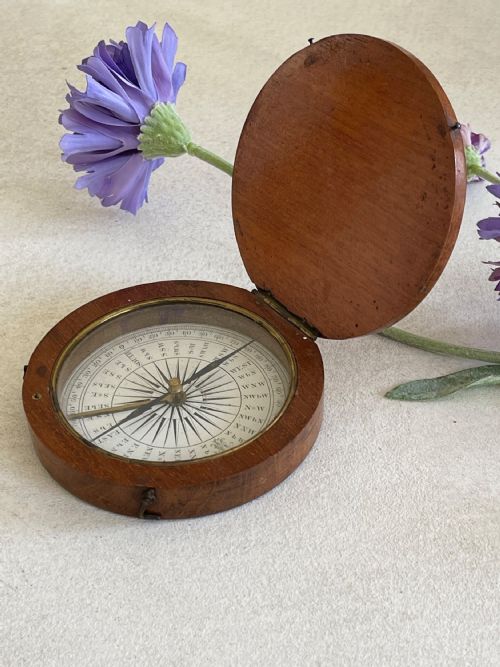
Scientific instruments on this page include thermometers, rain gauges, wind metres, and compasses made from brass and glass.
Distinctions in craftsmanship
Quality rests in the precision of the engraved scales, the clarity of the glass lenses, and the solidity of the cabinetry. Finer examples bear the signatures of notable makers on their metalwork, reflecting superior workshop standards.
The weight of the brass and the smoothness of the moving parts separate standard pieces from exceptional ones. Cabinets constructed with figured mahogany or oak and finished with neat dovetail joints demonstrate higher workshop ambition.
Short and Mason·Negretti and Zambra·M Pillischer·Antoine Redier·Thomas Rubergall·J Hicks·Cary London·Francis West
The Antique Desk Instrument Glossary
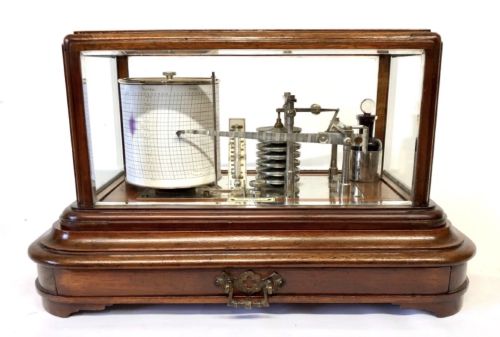
- Barograph
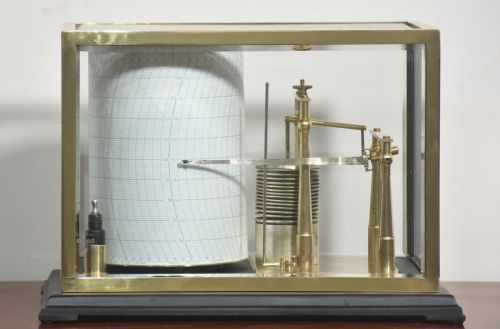
- A self-recording aneroid barometer that traces atmospheric pressure onto a revolving drum. This mechanical apparatus typically sits inside a glazed mahogany or oak case.
- Anemometer
- An instrument used for measuring the speed of the wind. Examples from the period use rotating cups or gauges to record atmospheric movement.
- Hypsometer
- A device for determining height or elevation by measuring the boiling point of a liquid. These uncommon scientific instruments require careful calibration.
- Goliath pocket watch
- An oversized pocket watch designed to sit on a desk or dressing table within a fitted leather stand. They often measure significantly larger than standard timepieces.
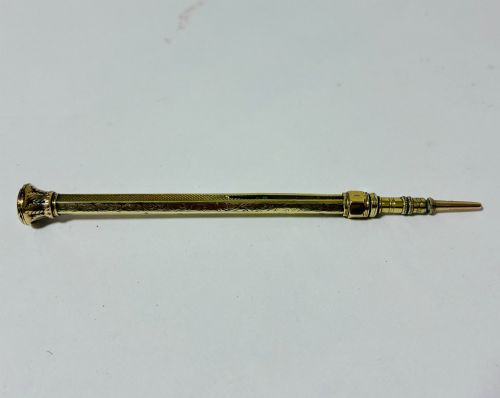
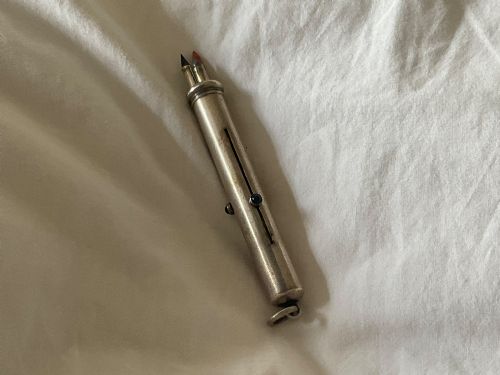
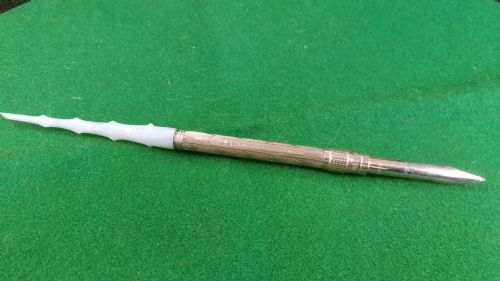
- Dip pen
- A writing instrument comprising a nib fitted to a holder, dipped in ink before each stroke. Victorian versions employ materials such as gold plating.
Antique Desk Instrument: Frequently Asked Questions
How do I maintain a wooden barograph?
Keep the timber clean with a dry cloth and place the instrument away from direct heat sources or damp environments. The brass components benefit from minimal interference to preserve their aged finish.
Ensure the glass panels remain secure in their rebates and handle the recording drum with care if replacing the paper charts.
What is the difference between a barometer and a barograph?
A standard barometer uses a dial or column to indicate current atmospheric pressure at a specific moment. A barograph contains a mechanical drum that records pressure changes continuously over a week.
Both items served similar domestic and scientific purposes but offered different levels of historical data recording.
Where were these instruments typically used?
These items occupied libraries, studies, offices, and navigational spaces where precise measurement mattered. Owners consulted them for weather forecasting, timekeeping, or reading small text.
The handsome timber cases allowed the apparatus to sit openly among books and writing desks.
How can I identify the period of a brass telescope?
Examine the draw tubes, the mounting style, and any signatures engraved near the eyepiece. Earlier examples often feature mahogany barrels paired with brass fittings.
Signatures naming specific London opticians help narrow down the decade of production alongside the complexity of the lens housing.