





Antique Desk Container
An antique desk container brings order to a workspace, offering a tangible connection to historical writing habits through small, functional vessels.
Antique Desk Container
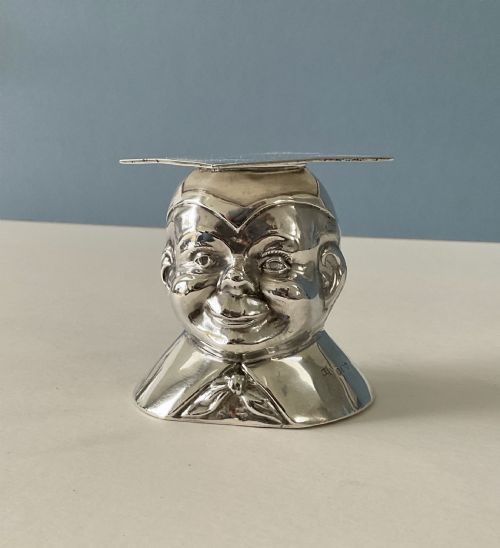
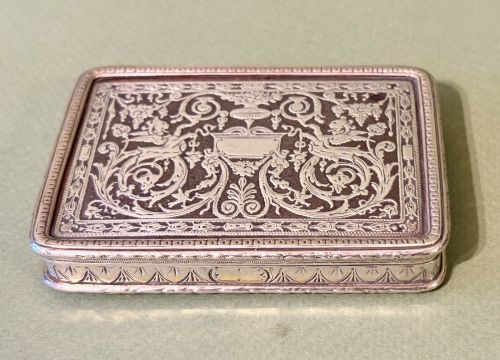
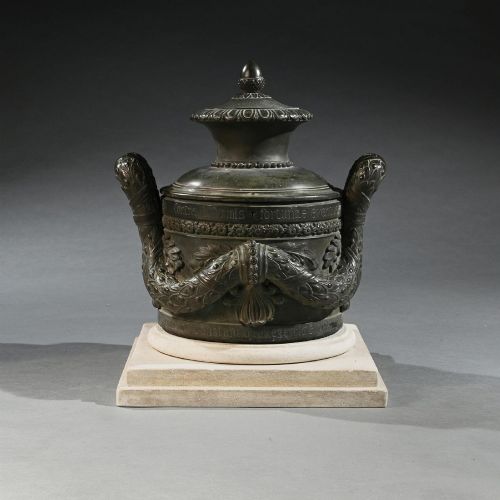
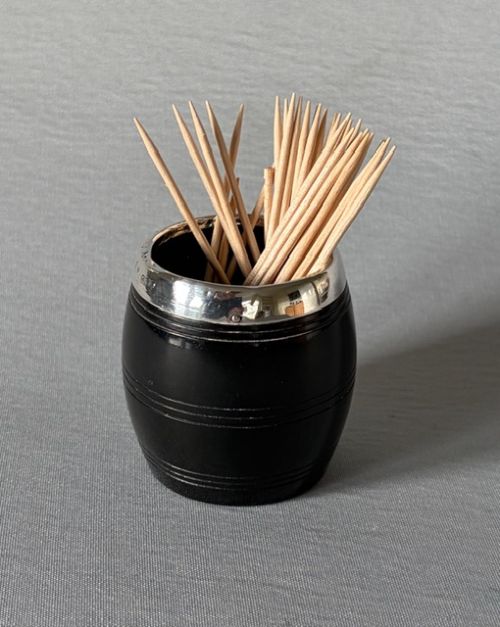
When searching for an antique desk container, buyers encounter a diverse array of small functional vessels designed to hold writing paraphernalia, stamps, and small desktop items. The selection spans centuries of craftsmanship, ranging from Georgian pocket pieces to substantial Edwardian desk accessories.
The objects take many forms, including stamp boxes, string holders, inkwells, brush pots, and snuff boxes fashioned for desktop use. Materials vary widely, encompassing sterling silver, brass, tortoiseshell, glass, and carved hardwoods.
Origins stretch across British workshops, continental European makers, and Chinese scholar studios. Pieces date from the eighteenth century through the Art Deco era, reflecting the shifting domestic and professional needs of writers over generations.
Materials and Techniques
Metals such as sterling silver, brass, and silver plate undergo forming, casting, and detailed hand engraving, often finished with applied decorative elements or fitted glass inserts. Silversmiths utilise techniques like stamping and repoussé to create crisp borders and hinged lids.
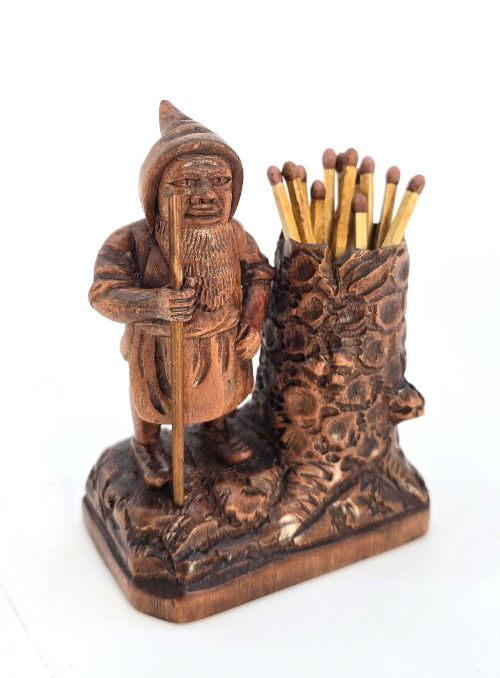
Woodworking relies on turning, carving, and joining dense timbers like mahogany, walnut, oak, and sycamore. Carvers shape limewood and bamboo into figurative forms, while specialists shape horn and tortoiseshell using heat and pressure.
Enamelling and leatherwork supplement these primary materials, adding colour and texture to specific boxes and cigarette cases.
Antique Desk Container Retail Price Guide 2026
Typical asking prices for desk container among the pieces listed under this phrase on Sellingantiques today, from the lower quarter to the upper quarter. They describe what is for sale here now, not the wider market.
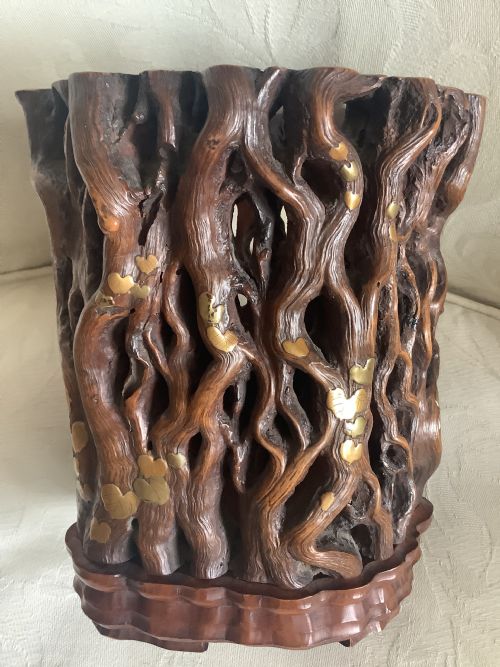
The listings combine British silverwork from Birmingham and London with Chinese scholar studio bamboo and hardwood brush pots.
Craftsmanship and Proportion
Quality rests in the crispness of execution, evident in the snugness of a hinged lid, the depth and clarity of hand engraving, and the structural integrity of joints. Superior items display clean interior fittings and substantial gauge metal or dense, well-figured timber.
Design distinction separates standard production items from exceptional work, seen in sculptural additions like bear finials or bespoke heraldic crests. The balance of proportion and the retention of original surface patination distinguish finer examples.
Sigvard Bernadotte for Georg Jensen·W.M.F.·Levi & Salaman·Frederick Mason·Robert Hennell·James Phipps I·Zimmermann·Hermes
The Antique Desk Container Glossary
- Stamp box
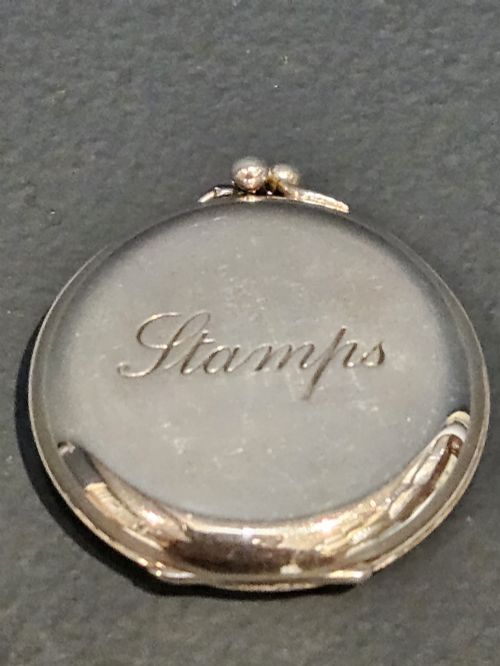
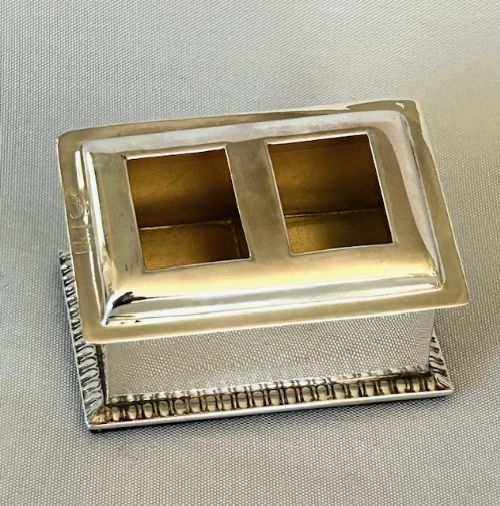
- A small lidded container specifically partitioned to hold postage stamps, frequently featuring double troughs inside. These became popular during the nineteenth century as postal correspondence expanded.
- String box
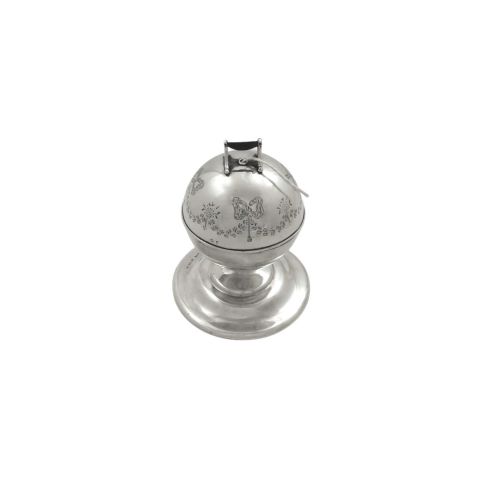
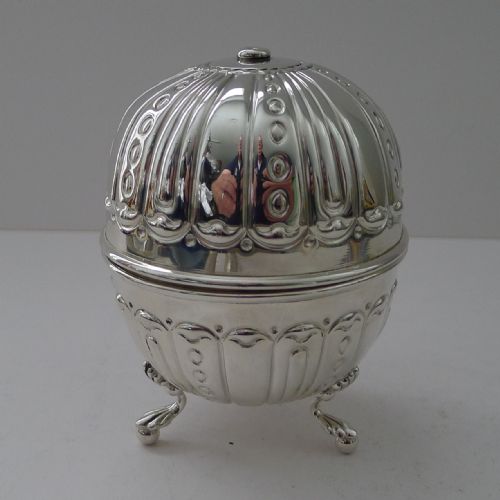
- A domed container designed to dispense twine or string through a central aperture, often made of turned sycamore or heavy silver. They kept workspace cord neat and accessible.
- Snuff box
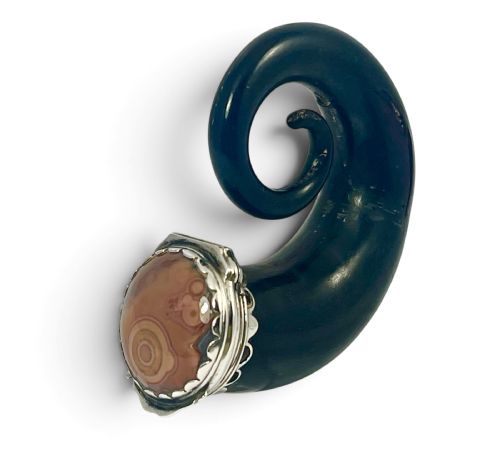
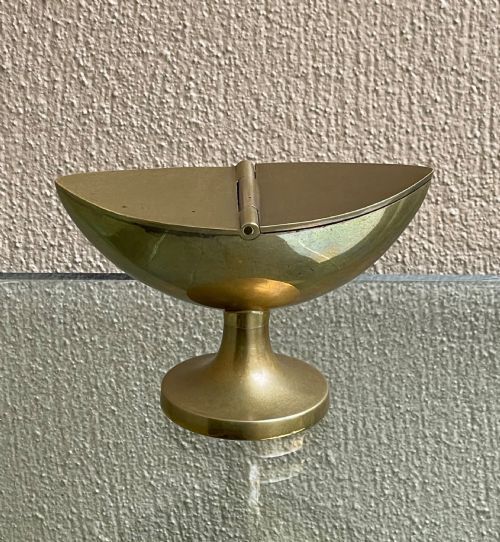
- A small pocket or table container hinged to hold dry tobacco powder. Examples range from simple turned wood to navette-shaped brass and engraved silver.
- Brush pot
- A cylindrical vessel originating from scholars' studios, used to hold calligraphy brushes or pens. They are frequently hand-carved from bamboo or hardwood.
- Bougie box
- A specialised container holding a taper or wax candle used for melting sealing wax. An example by makers like Robert Hennell exemplifies Georgian desk luxury.
Antique Desk Container: Frequently Asked Questions
What fits inside an antique desk container?
These vessels house small utilitarian items related to correspondence and writing. Historic contents included postage stamps, sealing wax, twine, nibs, and matches.
Today, buyers repurpose them to hold modern paperclips, small jewellery, keys, or business cards while maintaining desk organisation.
How do I date a silver container?
Silver pieces often carry hallmarks indicating the assay office, maker's mark, and a specific date letter corresponding to the year of testing.
Examining the style of engraving and structural form alongside these official marks provides an accurate period attribution.
Are wooden containers prone to splitting?
Solid hardwoods like mahogany and walnut respond to fluctuations in relative humidity. Keeping wooden items away from direct heat sources prevents timber shrinkage and lid warping.
Applying a light, appropriate wax occasional maintenance preserves the original patinated surface without sealing the grain.
Why do some stamp boxes have multiple compartments?
Multiple troughs inside a stamp box accommodated different postal denominations required for domestic and international postage after postal reforms in the nineteenth century.
Divided interiors allowed writers to keep penny reds and higher-value stamps separated within a single desktop accessory.