



Antique Desk Bookshelf
An antique desk bookshelf keeps papers and volumes orderly within arms reach, combining functional workspace storage with refined period craftsmanship.
Antique Desk Bookshelf
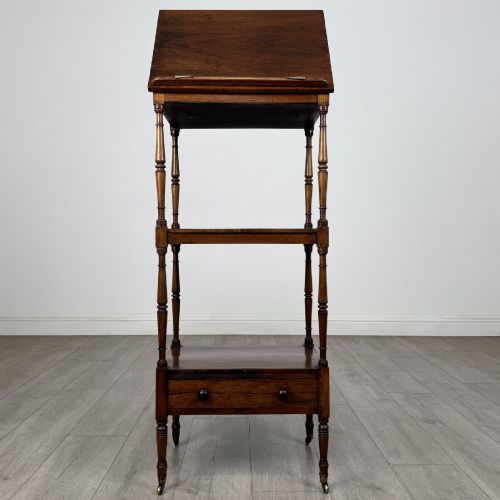
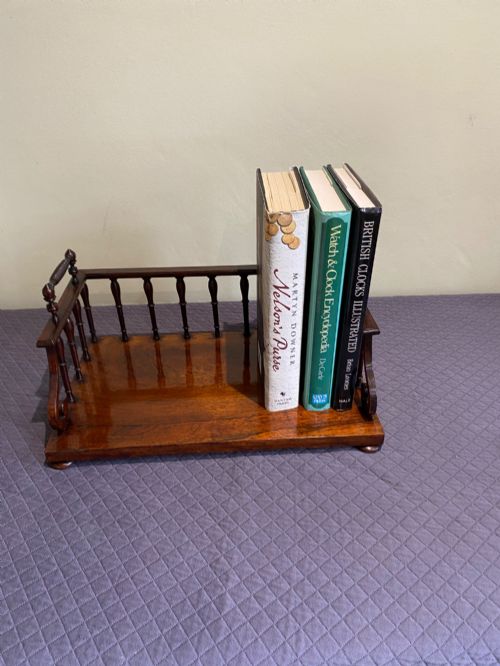
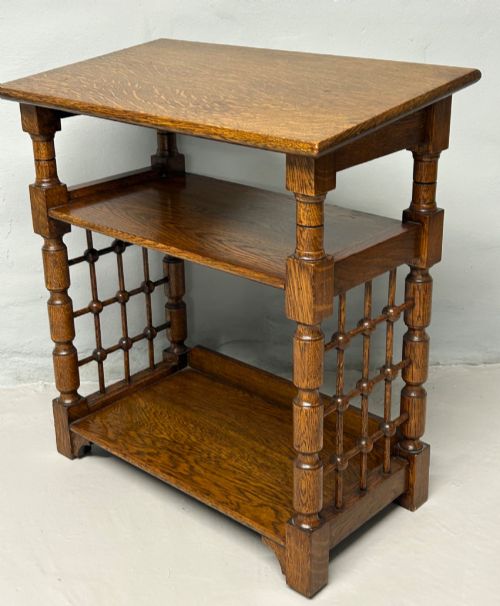
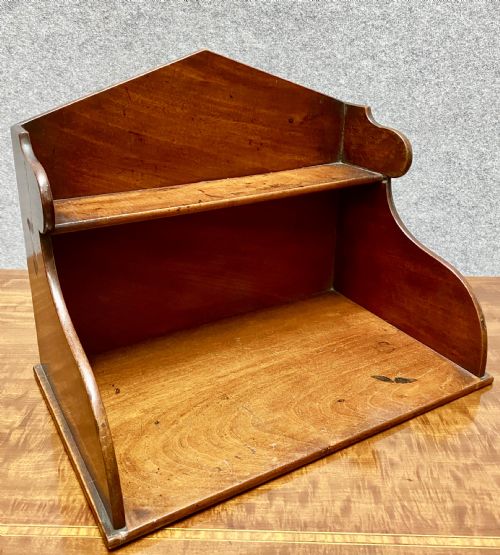
When you search for an antique desk bookshelf, you encounter a varied selection of compact furnishings designed to organise writing surfaces and reading materials. The pieces appearing here range from revolving table-top bookcases and expandable book slides to desk tidies and small cabinet forms.
The most common examples on this page are tabletop revolving bookcases and extending book slides from the Edwardian and Victorian periods. These practical accessories sit directly upon a writing table to keep reference volumes close at hand.
Origins stretch across the eighteenth, nineteenth, and early twentieth centuries, including Georgian, Regency, Victorian, and Edwardian eras. Each style reflects the prevailing domestic writing habits and interior tastes of its time.
Materials and construction
Cabinet makers utilised dense hardwoods such as mahogany, rosewood, coromandel, and oak to build these desktop pieces. Timber selection dictated both the visual richness and the structural durability of the item.
Brass fittings, hinges, and extending mechanisms provided functional movement for book slides and revolving structures. Earthenware and enamel also appear in specific desk accessories like Staffordshire bookends.
Antique Desk Bookshelf Retail Price Guide 2026
Typical asking prices for desk bookshelf among the pieces listed under this phrase on Sellingantiques today, from the lower quarter to the upper quarter. They describe what is for sale here now, not the wider market.
Listings span the eighteenth century through to the Edwardian period, utilising oak, mahogany, rosewood, and brass.
Assessing quality
The distinction between standard domestic items and finer pieces lies in the choice of timber and the execution of decorative details. Finer examples display carefully figured mahogany, richly grained rosewood, or distinct satinwood veneers.
Mechanical smoothness separates ordinary items from superior ones, particularly in revolving bookstands and extending book slides. Solid brass hardware and precise joinery indicate a higher standard of original workshop production.
The Antique Desk Bookshelf Glossary
- Book slide
- An extending desktop accessory fitted with ends that pull outward to hold a varying number of volumes upright. These often feature hinged or folding bookends.
- Revolving bookcase
- A compact shelving unit mounted on a concealed rotating base designed to sit upon a desk or table. This allows easy access to multiple reference books from a stationary seat.
- Desk tidy
- A compartmentalised tabletop accessory intended for holding letters, pens, and small stationery items. They frequently incorporate small bookshelf sections.
- Cylinder bookcase
- A writing cabinet featuring a curved rolling shutter that conceals a fitted desk interior and shelving above. This form combines a writing surface with enclosed storage.
Antique Desk Bookshelf: Frequently Asked Questions
Where do I put a desk bookshelf?
These compact pieces sit securely upon large writing tables, partner desks, or library surfaces to hold working volumes.
They also function well on sideboards or chest tops where space for vertical book storage is limited.
How do extending book slides work?
Extending book slides utilise a central channel and wooden or metal runners that allow the two ends to pull apart smoothly.
This mechanism adjusts the length of the shelf to accommodate a growing or shrinking selection of daily reading material.
What is a revolving book stand?
A revolving book stand is a small tiered shelving unit that rotates freely on a concealed internal pivot.
This design allows a reader seated at a desk to access several reference books without having to stand up.
How do I identify an Edwardian piece?
Edwardian desk accessories often display lighter oak timbers and draw inspiration from the Arts and Crafts or Art Nouveau movements.
Construction from this era typically emphasises simplified functional forms alongside occasional hand-carved details.