


Antique Derby Porcelain Plate
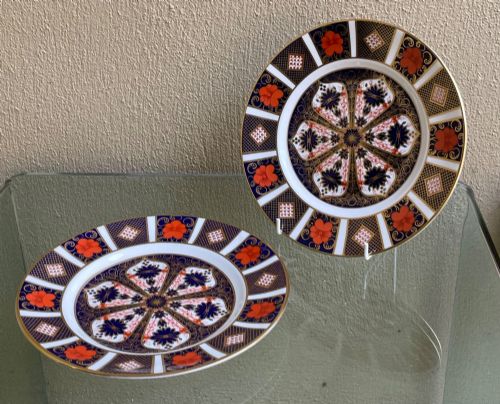
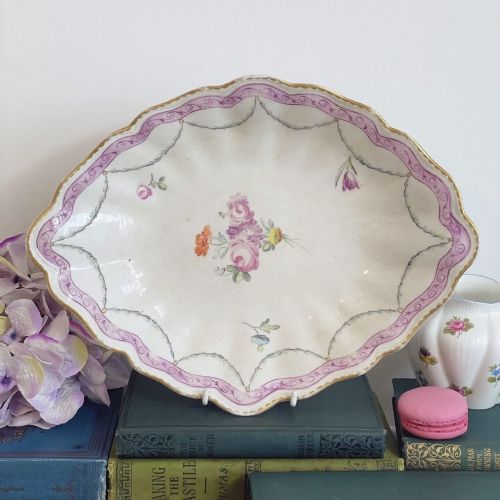
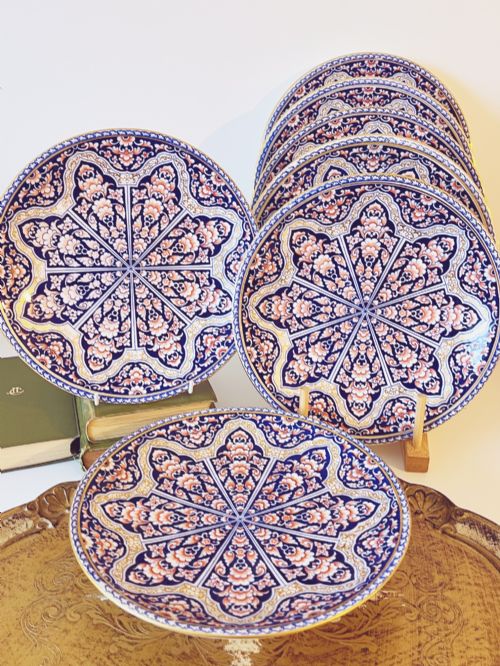
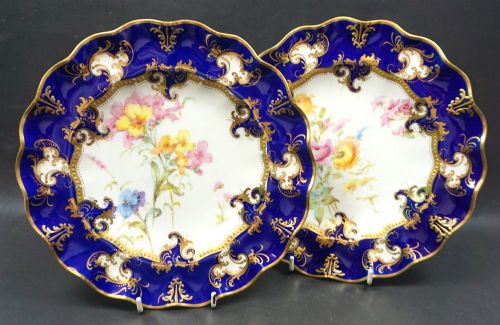
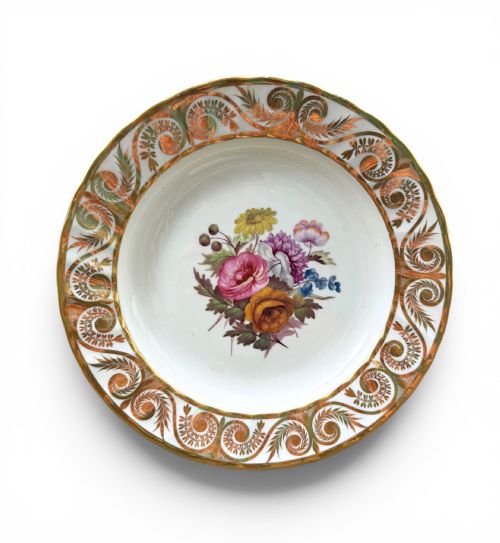
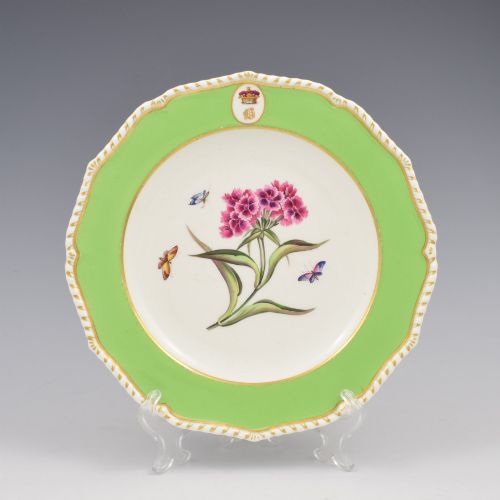
These antique derby porcelain plate examples bring handpainted botanical studies and Imari motifs straight to the dining table.
Antique Derby Porcelain Plate
An antique derby porcelain plate covers decorative cabinet displays, botanical dessert services and serving dishes originating across the eighteenth, nineteenth and twentieth centuries. Buyers searching for an antique derby porcelain plate frequently encounter handpainted floral studies, armorial crests and Japanese-inspired patterns.
The selection ranges from early eighteenth-century cobalt and turquoise pieces to later Regency botanical plates and twentieth-century Royal Crown Derby service items. Cabinet plates and dessert plates dominate the offerings, often appearing alongside comports and serving dishes.
Makers and decorators span early periods involving painters like Moses Webster and Thomas Steele up through Victorian Bloor Derby eras and twentieth-century Royal Crown Derby production. Each piece reflects the shifting domestic dining habits of Georgian, Regency, Victorian and Edwardian households.
Materials and production methods
The body consists of porcelain, bone china and ceramic, shaped into lobed dishes, shell plates and standard flatware forms. Kiln firing produced the hard white substrate necessary for subsequent enamel decoration.
Artisans applied polychrome enamels by hand, often featuring botanical specimens such as sweet william and roses, alongside intricate cobalt blue underglaze painting. Gilding and gold leaf highlights were meticulously brushed onto rims and borders to frame the central painted scenes.
Marking practices evolved from early blue painted crown and anchor devices to later impressed or printed factory ciphers denoting specific production decades.
Distinctions in craftsmanship
Excellence in an antique derby porcelain plate rests upon the precision of the handpainted botanical or Imari artwork and the crispness of the porcelain moulding. Named artists such as Moses Webster or Thomas Steele elevate the status of a piece through verified naturalistic detail.
The application of gold leaf and gilding dictates upper-tier examples, where burnished gold borders remain intact and bright against the white ceramic. Form complexity, such as lobed rims or shell shaping, separates standard plates from high-status dessert service components.
Royal Crown Derby·Bloor Derby·James Giles·Moses Webster·Thomas Steele
The Antique Derby Porcelain Plate Glossary
- Imari Style
- A decorative scheme employing iron red, cobalt blue and gold, heavily influenced by Japanese export porcelain. This aesthetic was widely adopted across eighteenth and nineteenth-century Derby production.
- Bloor Derby
- The period of production associated with Robert Bloor, who managed the Derby works from the early nineteenth century onwards. Pieces from this era often feature rich armorial and botanical handpainted designs.
- Cabinet Plate
- A decorative plate intended for display in a cabinet or on a wall rather than for practical dining use. These items frequently showcase superior artistic handpainting.
- Comport
- A raised serving dish or pedestal bowl used traditionally for fruit as part of a grand dessert service. They often accompany matching sets of dessert plates.
- Armorial
- A heraldic design or family crest painted onto porcelain, commissioned specifically for aristocratic dining services. Such plates record the lineage of the original owners.
Antique Derby Porcelain Plate: Frequently Asked Questions
How do I date an antique derby porcelain plate?
Dating relies primarily on factory marks, painter signatures and stylistic evidence such as Regency botanical painting or late eighteenth-century forms. Early pieces may feature simple blue painted symbols while later Royal Crown Derby items utilise clear date codes.
Examining the paste, glaze thickness and decorative palette also helps narrow the manufacturing decade. Comparing specific pattern numbers against established factory records provides further chronological accuracy.
Were these plates used for daily dining?
Many fine dessert plates and cabinet plates were reserved for formal entertaining, dessert courses and display within aristocratic dining rooms. Serving dishes and comports formed part larger services designed to impress guests.
Everyday domestic use occurred more frequently with standard utilitarian wares rather than richly gilded or handpainted armorial pieces. Their survival in good condition suggests careful handling and storage over generations.
How should I display my plates?
Cabinet plates look striking mounted securely on walls using coated wire hangers or displayed upright on dedicated plate stands within wooden cabinetry. Ensuring stable support prevents accidental slips while allowing the painted borders and central motifs to remain fully visible.
Keeping them away from direct, harsh sunlight protects the enamel colours and gold leaf highlights from gradual fading over time. Ambient indoor lighting highlights the fine brushwork of artists like Thomas Steele.
What is the difference between Derby and Royal Crown Derby?
Derby refers to the historic eighteenth and nineteenth-century factory sites producing porcelain before receiving royal warrants. The inclusion of Royal Crown reflects later nineteenth and twentieth-century naming conventions following royal patronage.
Both designations share a continuity of skilled handpainting, ceramic formulation and distinctive pattern traditions. Pieces marked under both names remain highly sought after by collectors.