





Antique Delftware Set
An antique delftware set gathers tin-glazed earthenware pieces painted in cobalt pigment, offering collectors coordinated table settings and desk displays.
Antique Delftware Set
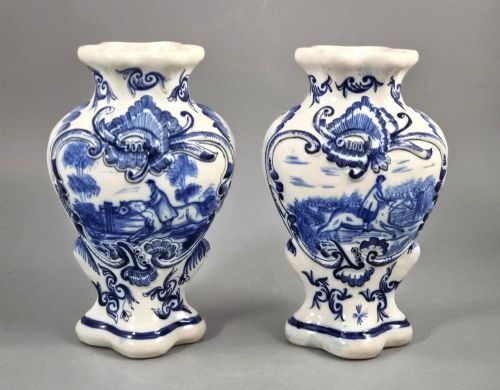
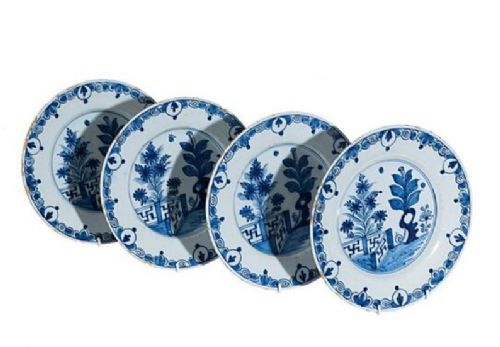
When you search for an antique delftware set, you encounter matched groups of tin-glazed earthenware objects originating primarily from the eighteenth and nineteenth centuries. These groupings typically comprise sets of decorative plates, multiple chargers, or coordinated desk accessories like inkstands and miniature furniture.
The versions most frequently met on this page include eighteenth-century blue and white plates alongside late nineteenth-century Dutch Delft and French faience pieces. These items demonstrate distinct regional production styles, ranging from domestic Dutch domestic wares to French Rococo Revival interpretations.
Collectors secure these sets to acquire multiple pieces sharing uniform decorative programs, whether executed in traditional eighteenth-century Chinoiserie or nineteenth-century scenic painting. The surviving sets preserve domestic routines from periods that relied heavily on tin-glazed ceramic wares for daily household utility.
How they were made
Makers formed these objects from basic clay, shaping them into plates, chargers, and desktop inkwells before applying an opaque tin glaze. This white or off-white surface provided the ground for subsequent painted decoration.
Artisans applied cobalt pigment directly onto the absorbent unfired or biscuit-fired glaze using hand-painting techniques. The pigment sank into the tin glaze during kiln firing, producing the characteristic blue and white coloration seen across the ceramic items.
Antique Delftware Set Retail Price Guide 2026
Typical asking prices for delftware set among the pieces listed under this phrase on Sellingantiques today, from the lower quarter to the upper quarter. They describe what is for sale here now, not the wider market.
Miniature furniture sets allowed eighteenth and nineteenth-century makers to practice complex glazing techniques on tiny tables and chairs.
What varies in quality
The refinement of the cobalt painting distinguishes finer examples from simpler production wares, particularly in the precision of brushwork on eighteenth-century plates and scenic inkwells. Superior sets display crisp execution of Chinoiserie motifs or figural scenes rather than hurried or schematic strokes.
Cohesion within the set dictates overall desirability, as genuine period groupings share consistent glaze tones, matching dimensions, and uniform wear patterns acquired over centuries of use.
Fourmaintraux-Courquin
The Antique Delftware Set Glossary
- Tin-Glazed Earthenware
- Pottery covered with a lead glaze made opaque by the addition of tin oxide. This surface creates a white background suitable for painted decoration.
- Cobalt Pigment
- A metallic blue colouring agent used extensively under the glaze. It withstands high kiln temperatures without losing its intense hue.
- Charger
- A large decorative plate intended for display rather than dining. These items frequently form the focal points of early ceramic groupings.
- Faience
- European tin-glazed earthenware produced in France and other continental centres. The term often describes wares made outside traditional Dutch workshops.
- Chinoiserie
- European artistic style reflecting Chinese decorative motifs. Painters applied these imaginative eastern scenes onto domestic ceramic forms.
Antique Delftware Set: Frequently Asked Questions
What pieces make up an antique delftware set?
These sets consist of matched groups of decorative plates, chargers, or desk accessories like inkstands and miniature furniture.
They share consistent blue and white cobalt painting styles executed upon tin-glazed earthenware bodies.
How were delftware sets used historically?
Plates and chargers served both for formal display on dresser walls and for household dining during the eighteenth and nineteenth centuries.
Desktop accessories such as inkstands and inkwells populated writing desks to hold ink and quills for correspondence.
How do I distinguish eighteenth-century delftware?
Eighteenth-century examples typically display softer paste bodies, characteristic tin-glaze surface textures, and hand-painted motifs including traditional Chinoiserie scenes.
Later nineteenth-century productions often exhibit brighter cobalt tones and different regional marking conventions.
How should I display a delftware set?
Display plates and chargers on plate racks or secure wall hangers to protect their tin-glazed rims from chipping.
Place inkstands and miniature furniture on stable flat surfaces away from direct sunlight to preserve the ceramic body and glaze.