

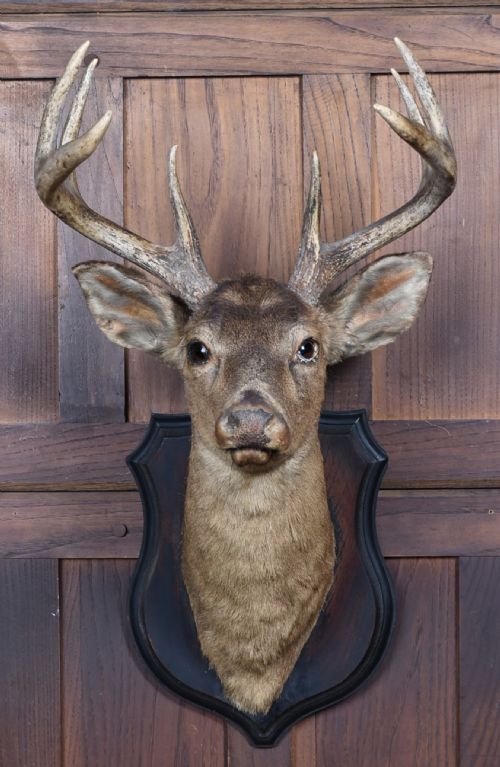


Antique Deer Antlers
Antique deer antlers bring the rugged spirit of the Victorian hunting lodge and Black Forest directly into interior spaces through impressive taxidermy and functional furnishings.
Antique Deer Antlers
When you examine antique deer antlers, you are looking at natural bone structures harvested, mounted, and repurposed across the nineteenth and twentieth centuries. These pieces originate from various species including red deer, roe deer, fallow deer, and sambar, reflecting the sporting traditions of Britain, the Scottish Highlands, and continental Europe.
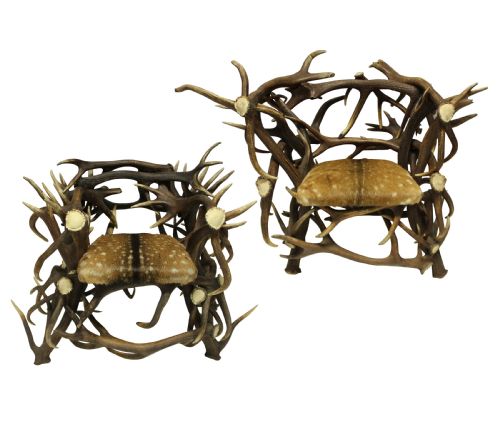
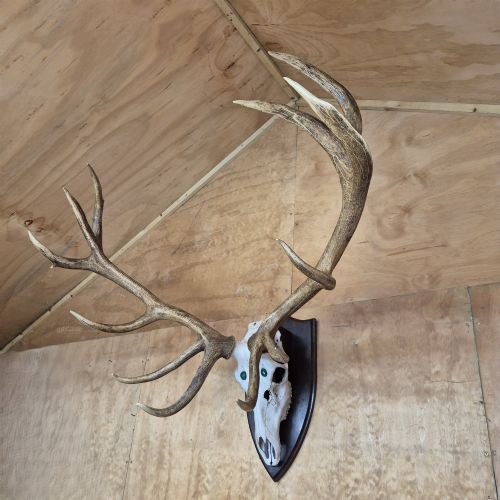
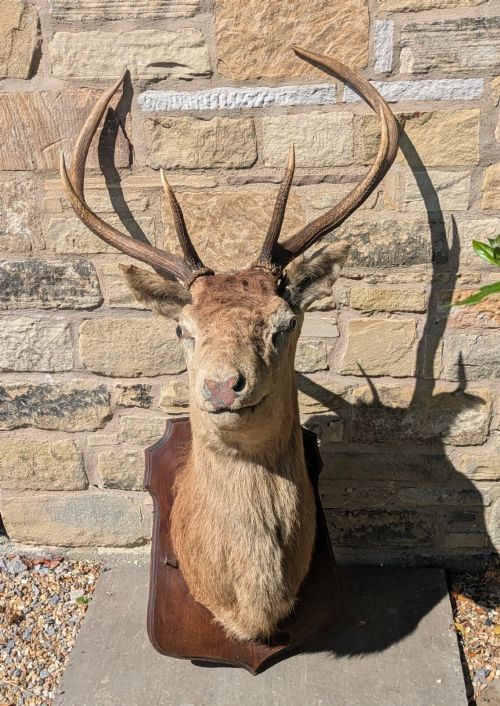
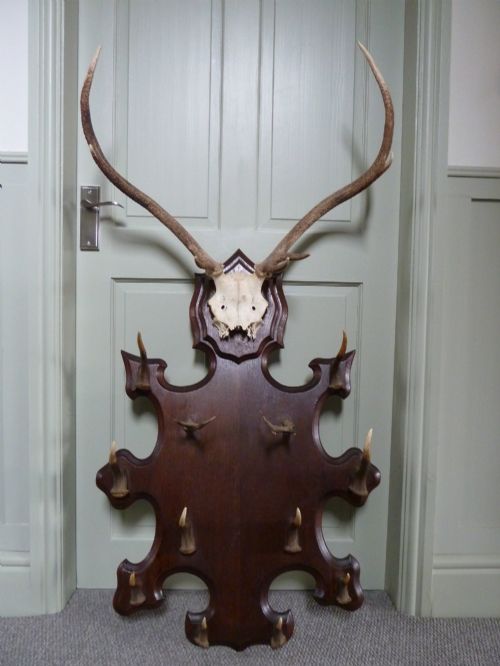
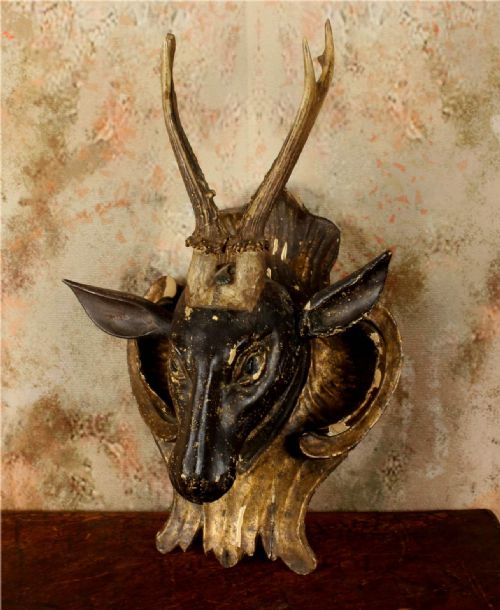
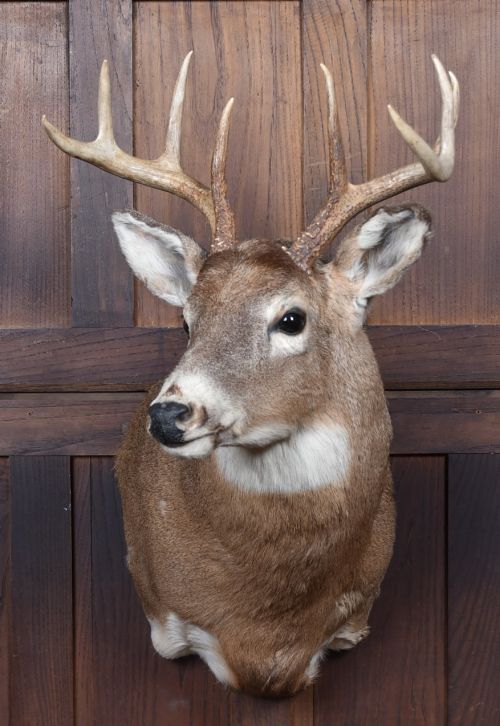
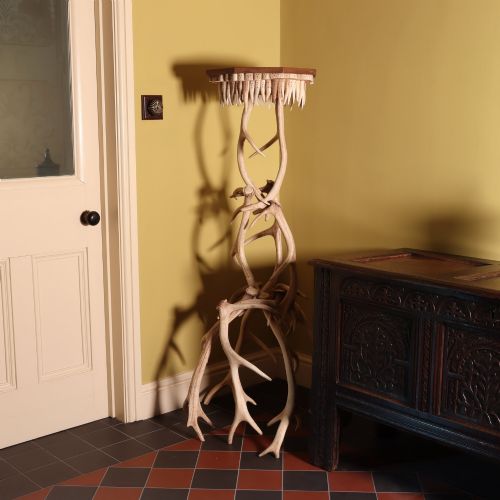
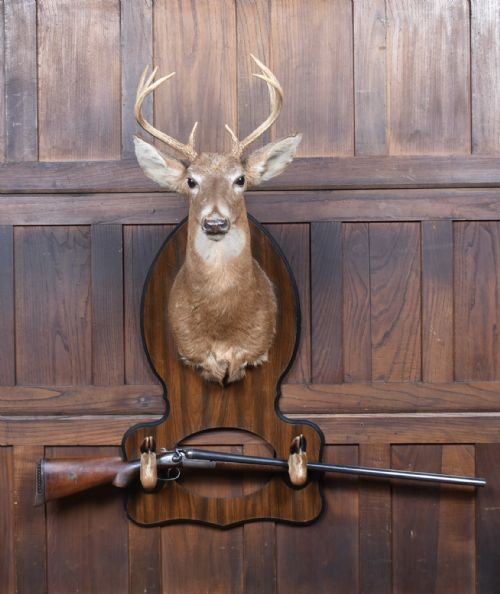
You are most likely to encounter mounted antler sets on carved wooden shields, alongside wall-hanging coat racks, hall stands, and large taxidermy stags' heads. More unusual forms include armchairs, chandeliers, torchiere stands, and desk accessories constructed entirely from horn and timber.
The aesthetic spans several distinct movements, predominantly Victorian country house, Edwardian sporting collections, and the intricately carved folk art of the Black Forest. Each item demonstrates how historical interiors incorporated natural history specimens into practical domestic objects.
What varies in quality
The distinction between ordinary specimens and exceptional pieces lies in the symmetry, span, and point count of the antler set, such as a twelve-point royal configuration. Superior examples display robust bone preservation, rich natural colouration, and complete skull mounts rather than detached fragments.
Craftsmanship dictates the value of utilitarian forms, separating basic wall mounts from cleverly constructed Black Forest armchairs or detailed carved wooden deer heads. The integration of high-grade supporting materials, including solid carved oak shields and silver detailing, elevates the execution of the piece.
Materials recorded across the inventory include red deer hide, solid oak, glass eyes, silver mounts, and linden wood.
The Antique Deer Antlers Glossary
- Black Forest
- A nineteenth-century carving style originating in Switzerland and South Germany, known for realistic animal sculptures and furniture incorporating natural antlers and linden wood. These pieces often depict forest fauna with intense realism.
- Taxidermy mount
- The art of preparing and mounting animal skins or horns for display, frequently utilising wooden shields to present stags' heads and antler trophies on interior walls. This technique preserved hunting achievements for country houses.
- Royal set
- A designation for a red deer antler rack possessing twelve distinct points on the crown. Collectors prize these larger sets for their impressive visual impact.
- Torchiere
- A tall standing ornamental floor lamp or light standard, occasionally constructed using taxidermy and antler forms to illuminate Highland hunting lodges. They combine vertical wooden shafts with mounted lighting fixtures.
- Shield
- A carved wooden backplate, typically fashioned from oak, used to support and display mounted deer antlers or animal heads on walls. The wood is often shaped with leaf or foliage motifs.
Antique Deer Antlers: Frequently Asked Questions
How were antique deer antlers displayed originally?
In nineteenth-century country houses and hunting lodges, these specimens were mounted prominently on the walls of entrance halls, libraries, and principal reception rooms. They served as tangible proof of sporting prowess and contributed to a rustic, masculine interior aesthetic.
Larger configurations often occupied high positions above fireplaces or doorways to emphasise their scale. Smaller roe deer antlers and desk stands were utilised more intimately within studies and smoking rooms.
What is a Black Forest deer piece?
Black Forest pieces refer to intricately carved wooden furnishings and sculptures produced in Central Europe during the nineteenth century, frequently incorporating genuine deer antlers and horns. Carvers used linden wood and oak to create lifelike animals integrated into chairs, hat stands, and wall brackets.
These items are celebrated for their artistic complexity and whimsical yet realistic depiction of forest wildlife. The style bridges the gap between taxidermy and fine woodworking.
How do I identify a Scottish Victorian mount?
Scottish Victorian mounts typically feature red deer stags sourced from the Highlands, often attached to shaped oak shields with carved detailing. Historical inscriptions or taxidermist labels on the reverse sometimes record the exact location and date of the hunt.
The antlers themselves tend to be heavy and dark in tone due to the environment and natural polishing by the stag. These pieces reflect the specific sporting culture popularised during the Victorian era.
Can I use an antler coat rack daily?
Antler coat racks and hall stands were originally built for practical domestic use, employing the natural branching structure of the horn to hold heavy garments and hats. The durable nature of bone and horn makes them structurally capable of supporting everyday items.
Care should be taken not to overload fragile tips or historical mountings. Gentle handling ensures the antique bone and vintage wooden backplates remain secure against the wall.
How do I care for antique horn and antlers?
Maintenance involves keeping mounted antlers away from direct sunlight and excessive humidity to prevent the bone from drying out or splitting. Dusting gently with a dry, soft cloth preserves the natural surface without stripping the historical finish.
Avoid using modern chemical polishes on exposed bone or taxidermy fur. Maintaining a stable indoor climate protects both the organic horn and the supporting wooden shields.