

Antique Decorative Statues
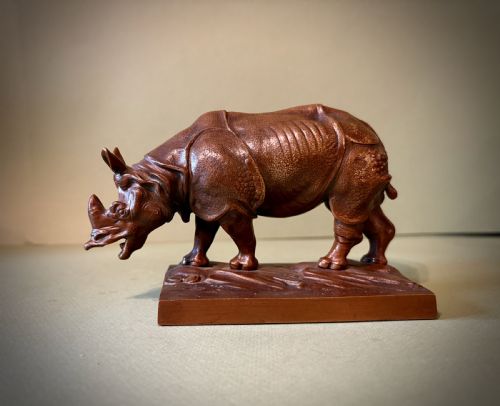
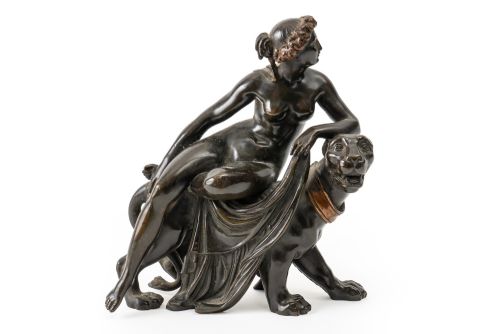
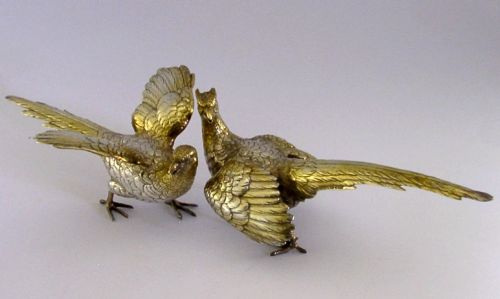
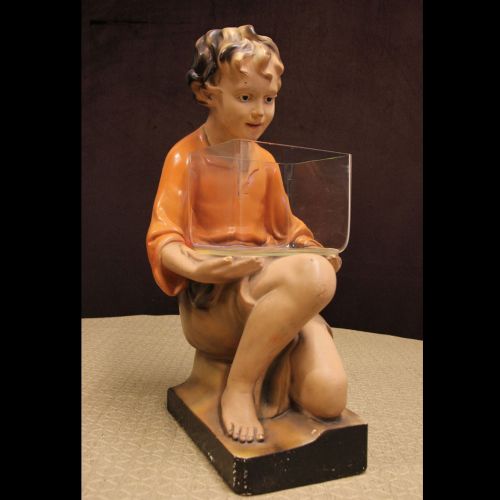
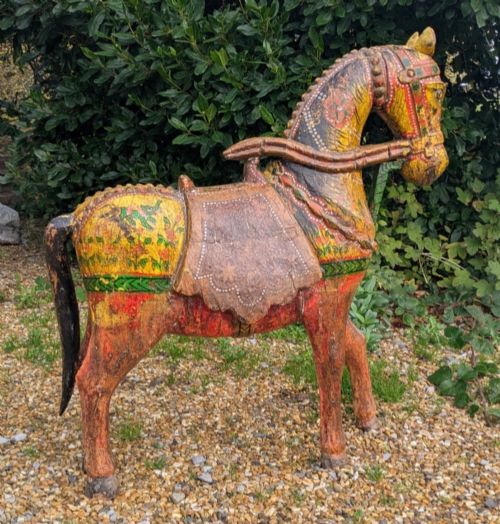
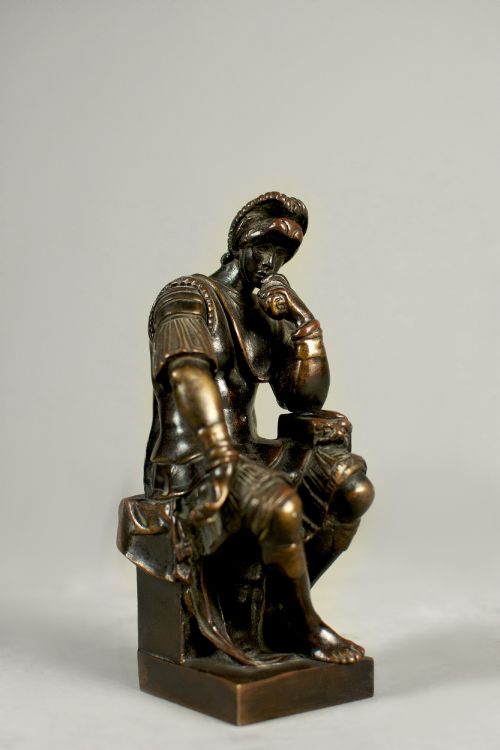
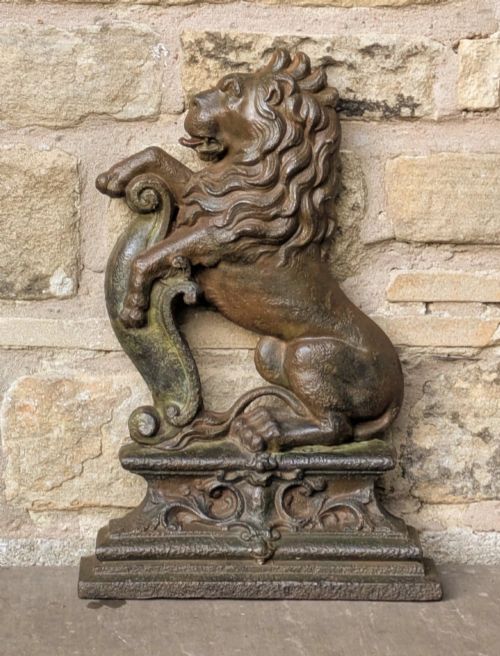
Antique decorative statues bring character and presence into a room, spanning bronze figures, carved wood animals and porcelain characters.
Antique Decorative Statues
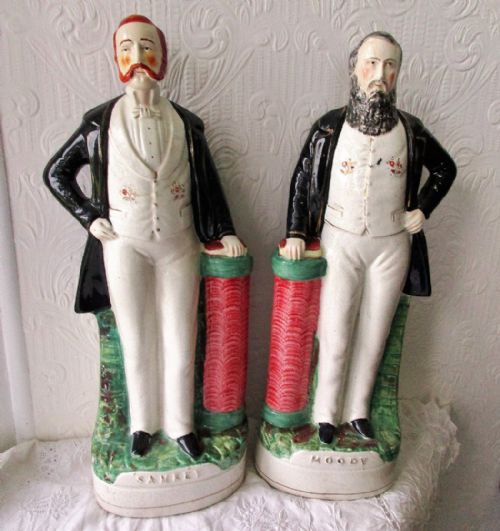
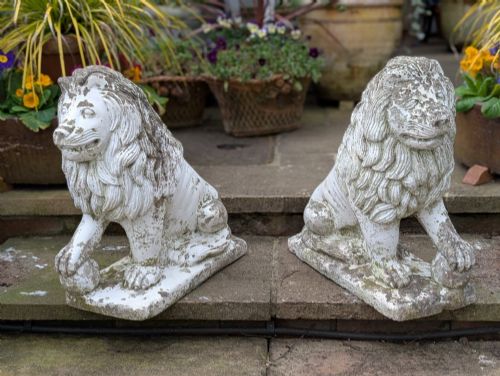
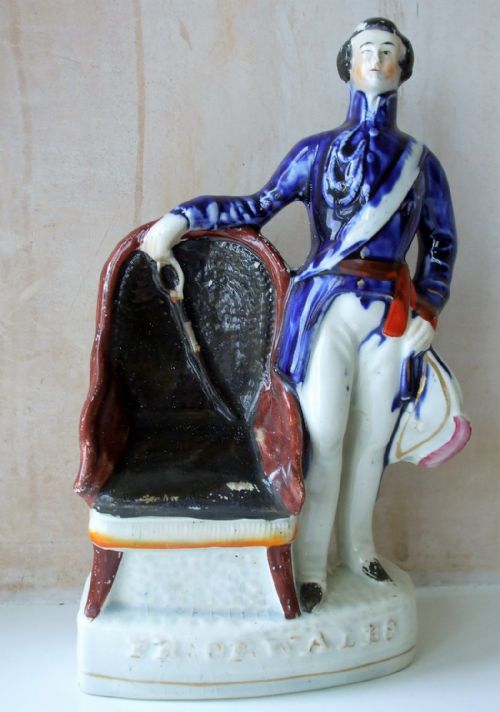
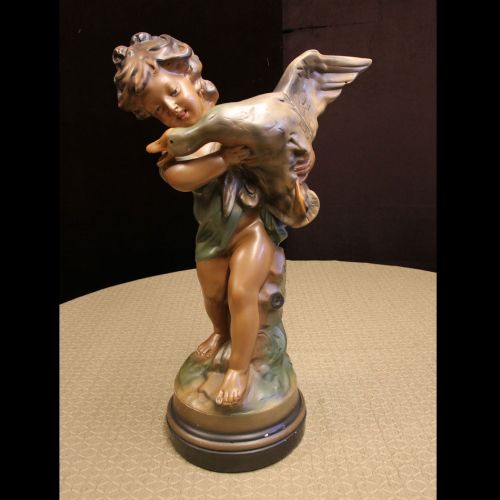
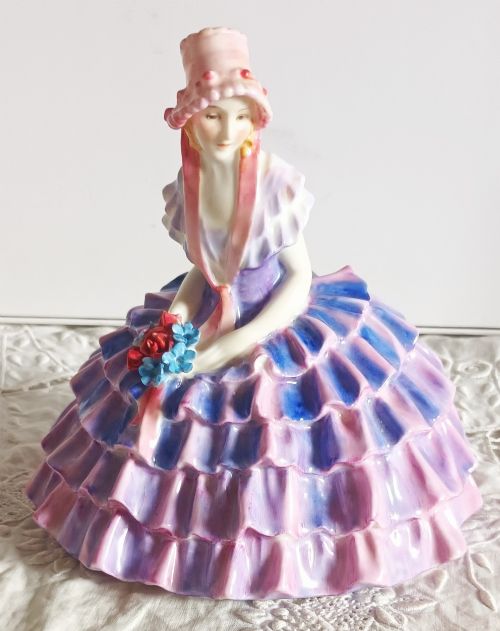
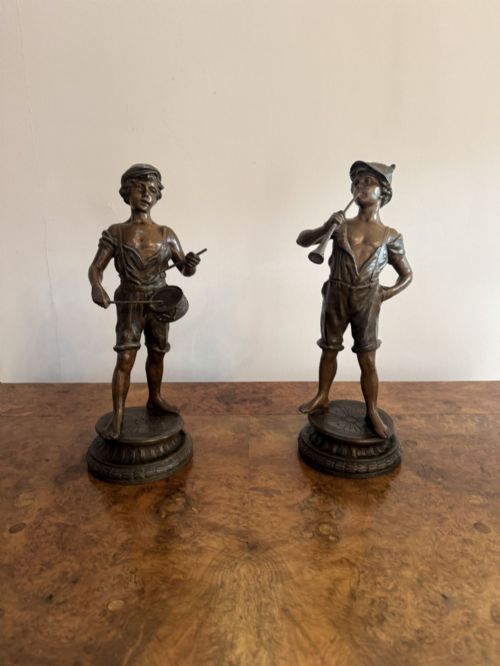
Antique decorative statues encompass a wide range of figural works designed primarily for display rather than utility, including bronze figures, carved wooden animals, and porcelain characters. When exploring antique decorative statues, a buyer encounters pieces originating from the eighteenth, nineteenth, and early twentieth centuries across European and Asian workshops.
The selection ranges from life-sized continental oak carvings and Austrian cold-painted bronzes to delicate porcelain figurines from factories like Meissen and Royal Doulton. Animal subjects, mythological putti, human busts, and cultural figures dominate the forms available on this page, reflecting diverse stylistic movements from French Rococo to Art Deco.
Buyers seeking these works will find significant stylistic variety, particularly in how makers interpreted classical forms, natural subjects, and contemporary modernist lines during the early decades of the twentieth century. Each piece serves as a focal point, whether mounted on a marble base, displayed on a column pedestal, or placed directly on a mantelpiece.
Materials and construction techniques
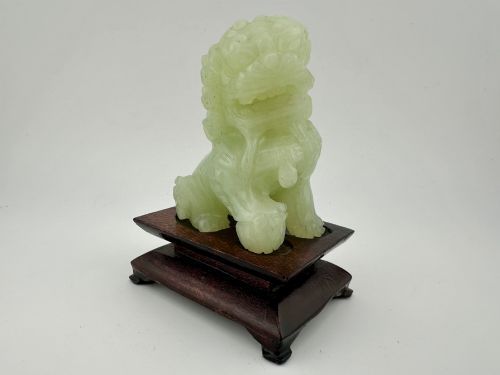
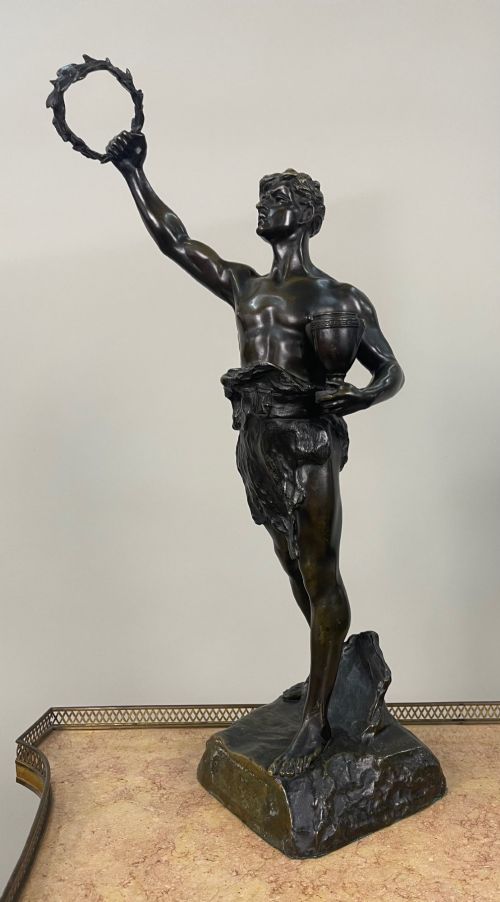
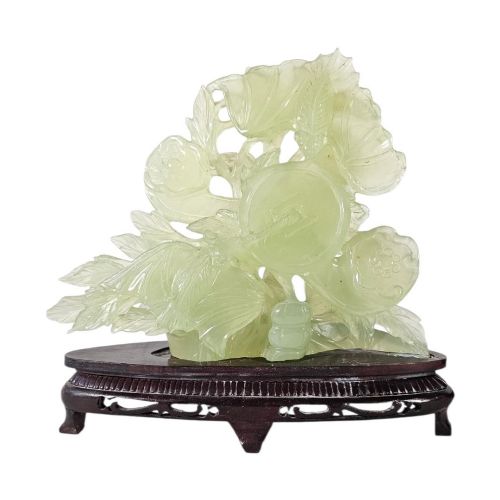
Bronze casting forms a significant pillar of production, utilising the lost-wax method to capture fine details in animalier sculptures, human busts, and mythological figures, often finished with silvering, gilt, or cold-painted polychrome. Sculptors also carved directly into dense materials like oak, cedar, alabaster, jade, and hardstone, bringing physical depth and texture to animal and human subjects alike.
Ceramic pieces involve earthenware, faience, and porcelain, shaped in moulds or modelled by hand before undergoing high-temperature firing and detailed hand-painting with enamel glazes or blush ivory finishes. Mixed media construction appears frequently, pairing carved wooden elements with brass stands or mounting heavy bronze sculptures onto contrasting marble bases.
Antique Decorative Statues Retail Price Guide 2026
Typical asking prices for decorative statues among the pieces listed under this phrase on Sellingantiques today, from the lower quarter to the upper quarter. They describe what is for sale here now, not the wider market.
A stoic wooden parrot stands ready on a brass perch, watching over centuries of quiet stone cats and bronze monkeys.
Factors determining quality
The integrity of the materials and the subtlety of the surface patination also divide standard production from exceptional examples, such as the natural wear on weathered wood or the rich depth achieved in fire-gilt ormolu. Signed works by documented sculptors and established potteries carry distinct artistic authority over anonymous factory output.
Hagenauer·Maurice Giraud-Rivière·Valentino Besarel·Nymphenburg·Hans Müller·James Hadley·Antoine Louis Barye·Henri Godet·John Bevington·Royal Doulton
The Antique Decorative Statues Glossary
- Animalier
- A nineteenth-century artistic movement and genre dedicated to the realistic portrayal of animals, particularly predators and livestock in dynamic motion. Antoine Louis Barye remains a prominent exponent of this sculptural focus.
- Ormolu
- Finely ground high-carat gold applied to a bronze base using a mercury amalgamation technique, common in French decorative mounts and decorative finials. This finish produces a warm, enduring metallic lustre.
- Putto
- A plump, naked male infant depicted in classical art and revival sculpture, often winged and resembling a cherub. These figures frequently appear in French and Italian decorative bronze ornaments.
- Faience
- Tin-glazed earthenware produced across Europe, known for its opaque white surface and painted enamel decoration. It provides the base for many decorative figurines from the nineteenth century.
Antique Decorative Statues: Frequently Asked Questions
Where should I display large bronze statues?
Large bronze pieces require stable surfaces capable of supporting their significant weight, such as heavy sideboards, dedicated display tables, or stone mantelpieces. Placing them away from direct foot traffic prevents accidental knocks while allowing proper viewing angles for their surface details.
Floor-standing sculptures and large wooden carvings often benefit from dedicated column pedestals or display plinths. This elevates the work to eye level and integrates the display securely into the room's architecture.
How do I care for carved wooden figures?
Carved wooden statues thrive in stable environments with moderate humidity and minimal exposure to direct sunlight, which can dry out and fade antique timber. Dusting gently with a dry, soft brush preserves the original finish without introducing moisture.
Avoid applying modern polishes or oils to older wooden surfaces, as these can build up and obscure fine tool marks. Maintaining consistent indoor temperatures prevents the wood from warping or splitting over time.
How can I distinguish bronze from brass?
Bronze typically exhibits a warmer, deeper brownish-red undertone beneath its patination, whereas brass tends to display a brighter, more yellowish metallic golden hue. Bronze also generally feels heavier and colder to the touch due to its copper and tin composition.
Examining the casting quality often helps, as bronze permits finer detail work in sculptural rendering. Magnetic testing provides a quick check, as neither bronze nor brass is magnetic.
What does cold-painted bronze mean?
Cold-painting refers to a technique where oil-based paints were applied to a finished bronze sculpture after casting, without undergoing a high-temperature firing process. This method allowed makers to achieve vibrant polychrome finishes on figures like animals and human characters.
Because the paint was applied cold rather than fused into enamel, these surfaces require careful handling to prevent flaking. Surviving original paintwork significantly contributes to the character and visual appeal of Austrian cabinet bronzes.