



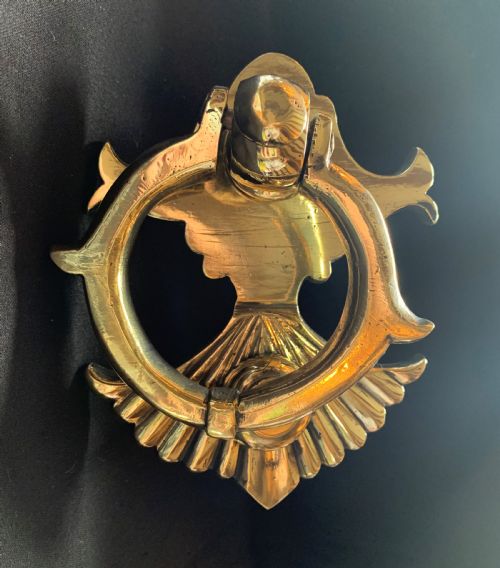


Antique Decorative Hardware
Antique decorative hardware brings functional metalwork into domestic rooms through cast brass, bronze and crystal mounts.
Antique Decorative Hardware
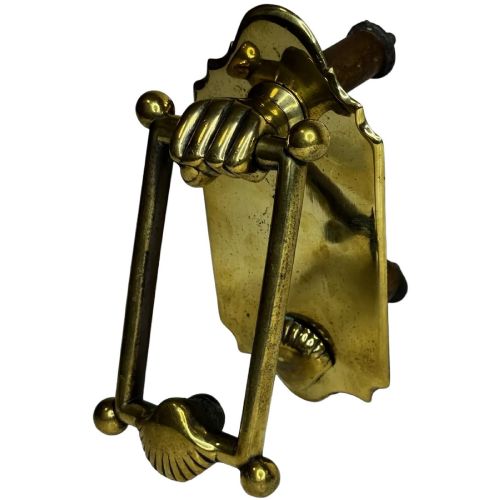
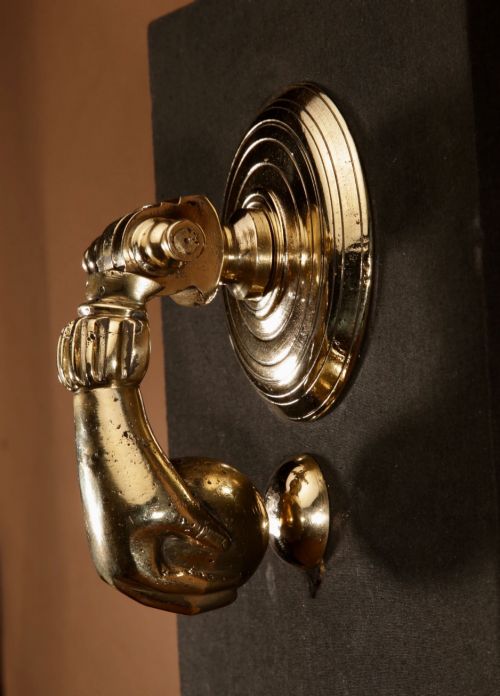
When you search for antique decorative hardware, you encounter utilitarian metal objects designed to operate doors, furniture and windows while offering ornamental detail. These pieces include door knockers, handles, knobs, finger plates, curtain tie-backs and hinges spanning multiple centuries.
The selection here draws heavily on Victorian production alongside earlier examples from the seventeenth and eighteenth centuries. Brass and bronze form the core of these items, shaped into styles ranging from Gothic Revival and French Chateau to Arts and Crafts.
Buyers select these fixtures to restore period properties or introduce authentic historic weight into modern interiors. Each piece bridges utility and decorative art through metal casting and mounting.
Judging Quality in Metalwork
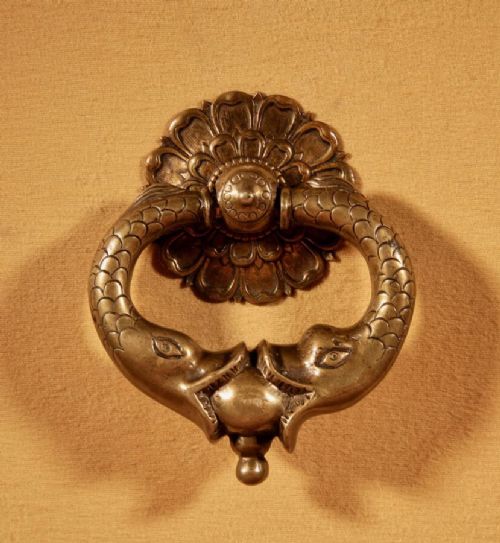
Quality rests in the crispness of the casting and the depth of hand-finishing applied to the metal. Superior pieces retain sharp relief in ornamental motifs like Gothic dragons, dolphins or foliate scrolls rather than soft, smoothed edges.
The integrity of the original components also dictates worth. Items retaining their matching backplates, key plates, striking plates or complete fixing screws demonstrate higher manufacturing ambition and preservation.
Antique Decorative Hardware Retail Price Guide 2026
Typical asking prices for decorative hardware among the pieces listed under this phrase on Sellingantiques today, from the lower quarter to the upper quarter. They describe what is for sale here now, not the wider market.
Listings include French Chateau, Gothic Revival, Arts and Crafts and Baroque styles rendered in solid brass, bronze and gilt metal.
Henri Picard
The Antique Decorative Hardware Glossary
- Ormolu
- Gilt bronze produced by applying a finely ground mercury and gold amalgam to bronze. This technique creates a durable, luminous golden finish characteristic of French decorative arts.
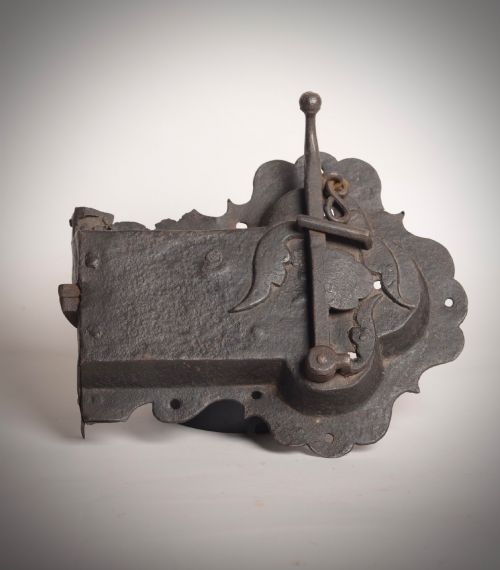
- Rim lock
- A mechanical lock housed in a metal box mounted onto the surface of a door rather than mortised inside. These units often feature decorative brass or steel plates.
- Push plate
- A protective metal or porcelain plate fitted to a door around the handle area to prevent finger marks on the wood. They frequently display ornate Victorian or Art Nouveau engraving.
- Curtain tie-back
- A wall-mounted hook or bracket used to hold drapery back from a window. Examples in this category utilise cast brass or ormolu in architectural and figural shapes.
- Finial
- A decorative terminal ornament used to cap the ends of door hinges or architectural hardware. They add a finished sculptural silhouette to functional joints.
Antique Decorative Hardware: Frequently Asked Questions
How do I date antique door hardware?
Dating relies on identifying manufacturing techniques, alloy compositions and stylistic motifs consistent with documented periods like the Victorian era or seventeenth century.
Changes in screw types, casting crispness and lock mechanisms further help establish the approximate decade of production.
Can antique hardware be used on modern doors?
Many items function effectively on contemporary doors provided the dimensions and backset measurements align with modern joinery standards.
Careful measurement of spindle sizes and fixing centres ensures these historic fittings operate safely in daily use.
What is the difference between brass and bronze hardware?
Brass is an alloy primarily composed of copper and zinc, yielding a bright golden tone utilised across Victorian and Georgian domestic fixtures.
Bronze contains copper and tin, offering a heavier, darker metal that frequently appears in earlier seventeenth and eighteenth-century door knockers.
How should I clean antique metal fixtures?
Maintenance requires gentle dusting and occasional cleaning with a soft cloth to preserve any historic patination accumulated over centuries.
Harsh chemical polishes should be avoided because they strip away desirable surface age and soften delicate cast details.