




Antique Decorative Corbel
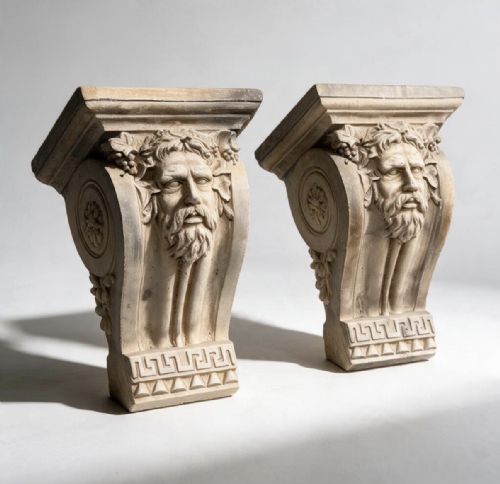
An antique decorative corbel carries weight with grace, lifting timber and stone while anchoring a room in period character.
Antique Decorative Corbel
An antique decorative corbel functions primarily as a supportive architectural bracket or wall shelf, bridging structural necessity and ornamental design. When searching this phrase, buyers encounter architectural salvage and wall brackets spanning the eighteenth, nineteenth, and early twentieth centuries.
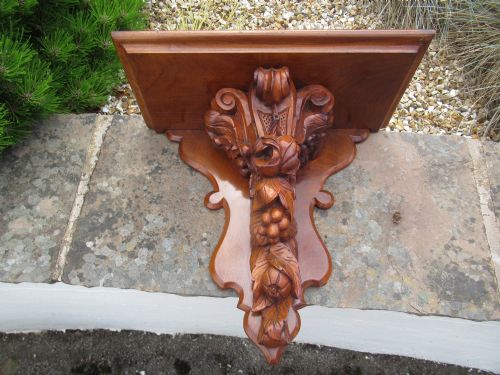
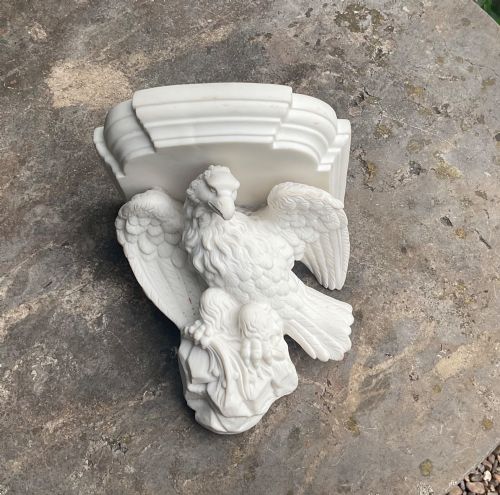
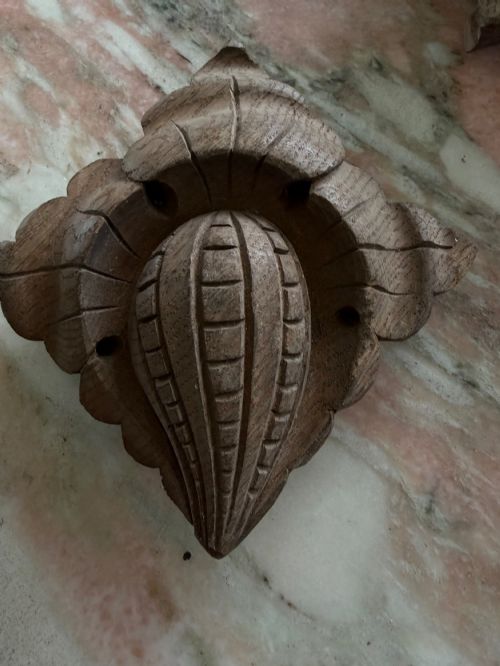
The selections on this page draw from diverse traditions, ranging from carved oak ceiling boss panels and pine wall brackets to cast iron shelf supports. These pieces emerge in various forms, including paired giltwood brackets, ceramic and ormolu mounts, and substantial plaster French corbels.
Victorian and Rococo Revival styles dominate the aesthetic landscape alongside Baroque Revival and Georgian influences. Pieces appear in woods like walnut, pine, and oak, as well as gilded finishes, iron, and plaster.
Materials and construction methods
Makers shaped these architectural elements using traditional timber carving, casting, and moulding techniques suited to the chosen medium. Carved wood examples utilise walnut, oak, and pine, shaped with chisels and gouges to create intricate foliage, cherubs, and putto figures.
Metal components rely on cast iron, bronze, and ormolu, often paired with ceramic or ebonised elements for contrasting texture. Plaster, gesso, and gold leaf finish many of the decorative surfaces, providing the reflective quality seen in gilded wall brackets and Italian capitals.
Antique Decorative Corbel Retail Price Guide 2026
Typical asking prices for decorative corbel among the pieces listed under this phrase on Sellingantiques today, from the lower quarter to the upper quarter. They describe what is for sale here now, not the wider market.
Listings feature carved wood, gesso, gold leaf, plaster, cast iron, and ormolu across the eighteenth, nineteenth, and early twentieth centuries.
Distinctions in quality and execution
Material integrity and surface preservation also define the upper tier of these pieces. Original gilding, undisturbed paint layers, and patinated bronze retain historical honesty, while well-executed joinery ensures the bracket remains structurally sound for display.
Henri Dasson
The Antique Decorative Corbel Glossary
- Corbel
- A structural piece of stone, wood, or metal projecting from a wall to carry a weight, usually treated as a decorative element in interior architecture. Many examples double as display shelves or wall brackets.
- Giltwood
- Wood that has been covered with a thin layer of gold leaf or powder. This finish is frequently observed on ornate eighteenth and nineteenth-century brackets.
- Ormolu
- Finely ground high-carat gold-mercury amalgam applied to a bronze object. It provides a bright, durable metallic lustre often paired with porcelain or ebonised wood.
- Putto
- A representation of a human infant, usually nude and sometimes winged, common in classical and revival art. These figures frequently adorn Baroque and Victorian wall brackets.
- Ceiling boss
- A decorative projecting block placed at the intersection of ribs in a ceiling. Surviving examples are often repurposed as architectural wall panels.
Antique Decorative Corbel: Frequently Asked Questions
How were antique corbels used?
These pieces served both structural and decorative roles in historic interiors, supporting beams, mantels, and heavy cornices. Over time, many were adapted or created specifically as wall shelves and display brackets for ceramics and sculptures.
In modern spaces, they function similarly, mounted to walls to display small collections, books, or plants while adding distinct period architecture to plain walls.
How do I date an antique bracket?
Dating relies on identifying the prevailing style, such as Rococo Revival, Baroque, or Victorian Neoclassical, alongside the material composition. Tool marks on carved wood, the composition of plaster, and the type of metal casting offer further chronological clues.
Examining the underlying timber or metal oxidation helps confirm whether a piece belongs to the eighteenth, nineteenth, or early twentieth century.
Are cast iron brackets strong?
Cast iron shelf brackets possess considerable weight and structural strength, designed originally to support heavy loads in industrial and domestic settings. They remain entirely functional for modern shelving when properly anchored to wall studs.
Lighter wooden or plaster brackets suit decorative display rather than heavy weight-bearing applications.
How should I clean gilded wood?
Giltwood surfaces require gentle dusting with a soft, dry brush to prevent damage to the delicate gold leaf layer. Moisture and chemical cleaning agents must be avoided entirely.
Preserving the original surface patina maintains both the historical integrity and the visual depth of the gilding.