


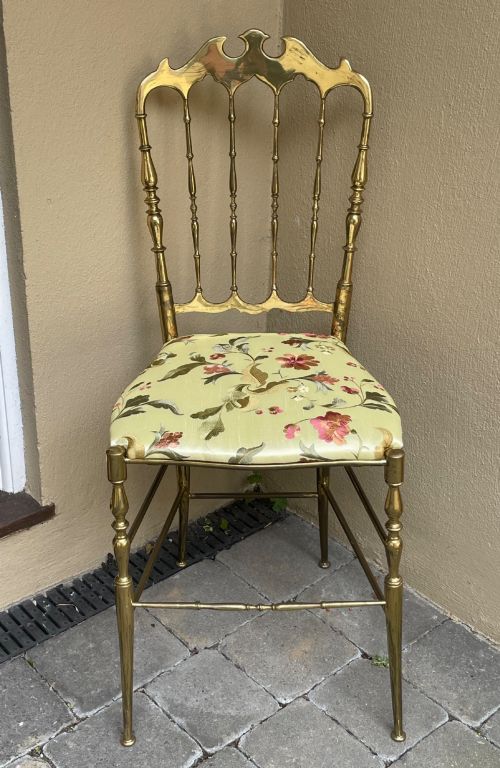

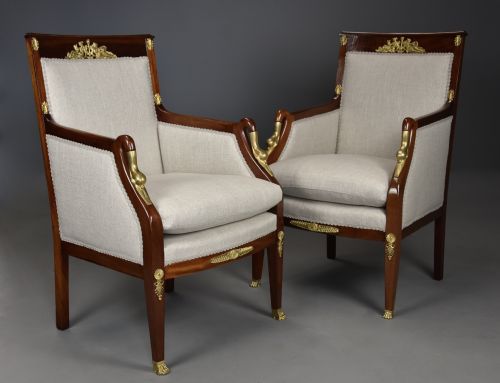
Antique Decorative Chair
An antique decorative chair brings historical character into a room through varied styles, rich woods, and ornate frames.
Antique Decorative Chair
An antique decorative chair encompasses seating designed primarily for visual impact rather than routine utility, spanning salon chairs, nursing chairs, and hall chairs. These pieces emerge from the nineteenth century and the early decades of the twentieth century, reflecting shifting tastes from Victorian elaboration to Edwardian refinement.
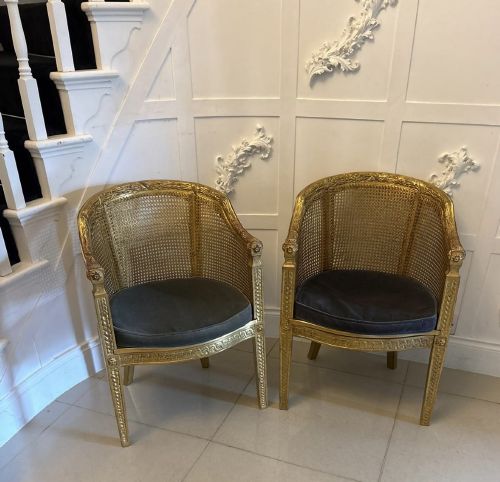
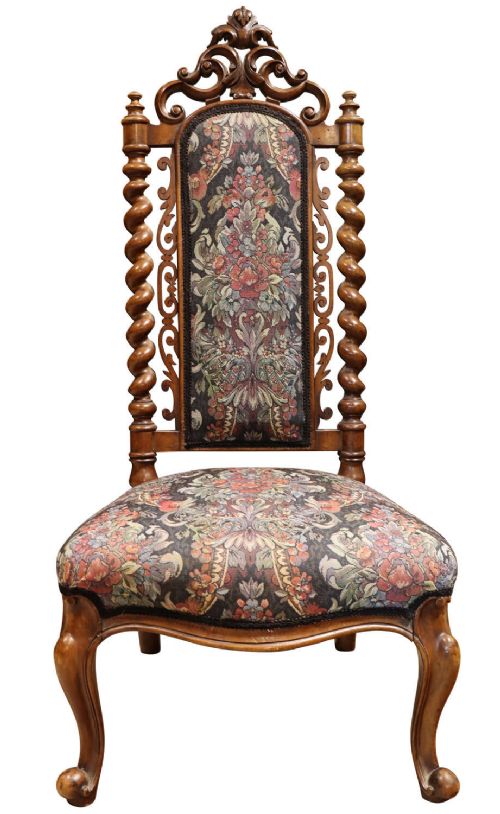
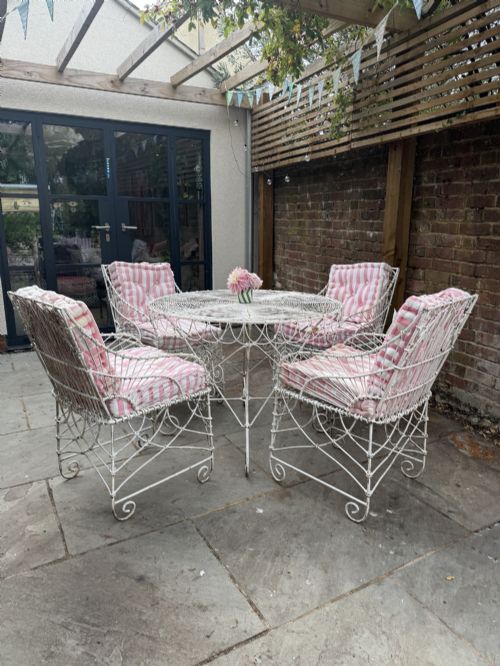
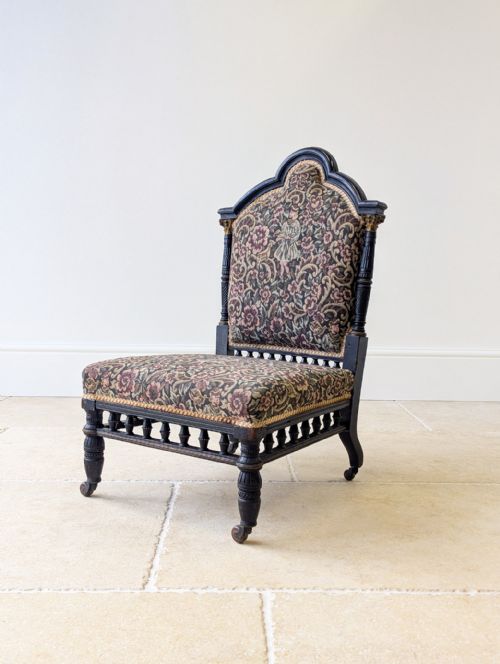
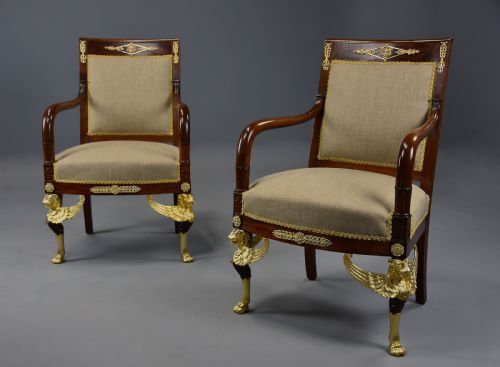
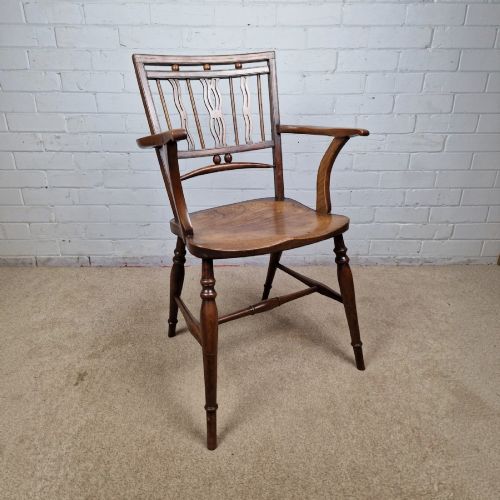
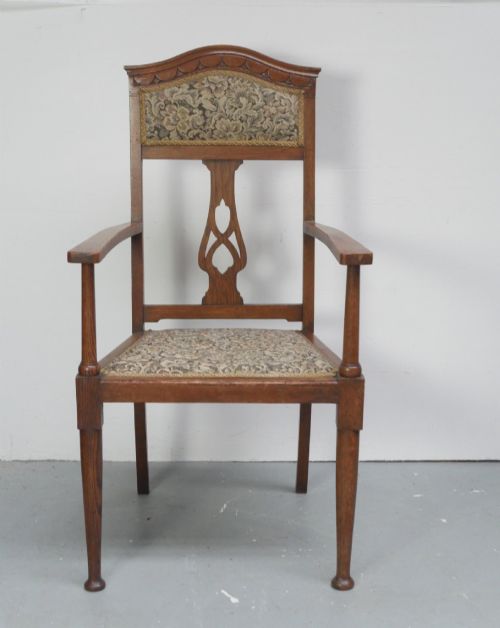
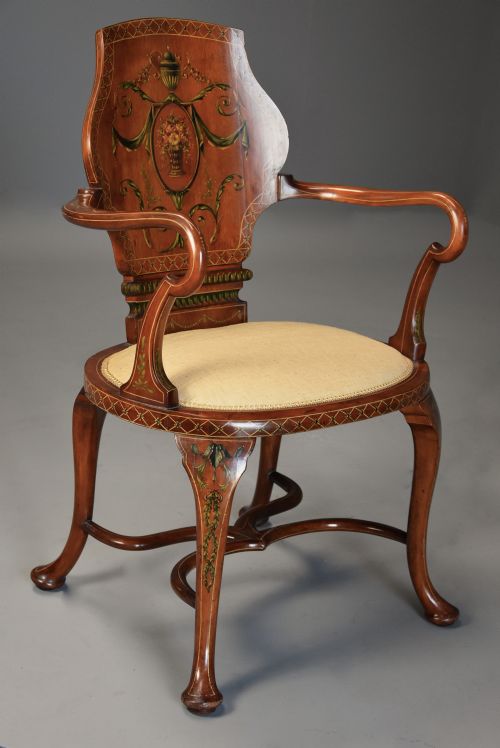
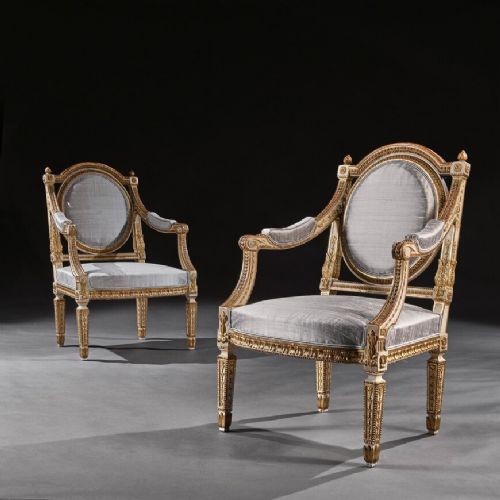
Buyers encounter distinct regional forms on this page, including French giltwood armchairs, English mahogany side chairs, and various painted or inlaid examples. The selection moves between intimate bedroom seating, formal salon pieces, and robust outdoor garden ironwork.
Makers drew on diverse historical revivals such as Louis XVI, Regency, and Carolean styles to shape their outputs. Each piece carries the distinct structural language of its period, whether built for a grand drawing room or a modest morning room.
Materials and construction
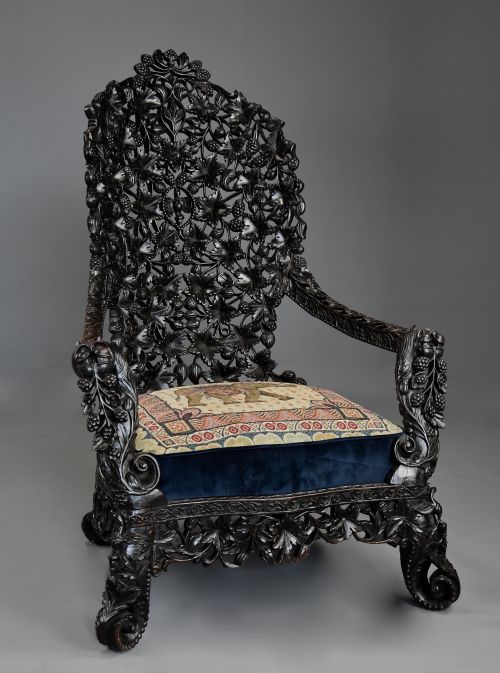
Cabinetmakers utilised hardwoods such as mahogany, walnut, and oak to build resilient frames, often applying elaborate carving, ebonising, or giltwood surfaces for decorative effect. Frames were joined using traditional methods that ensured longevity despite intricate openwork designs.
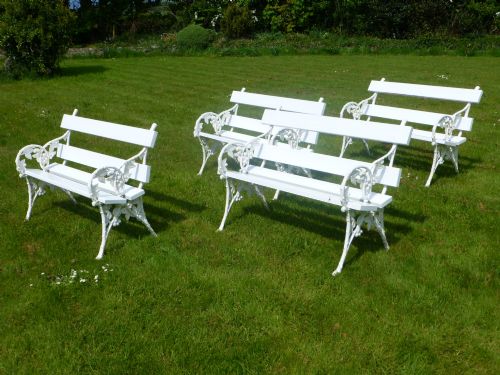
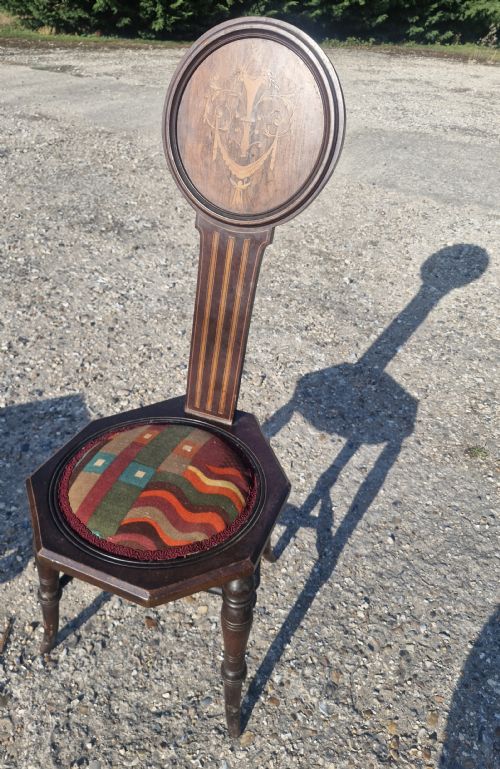
Decorative detailing relied on specialised surface treatments including hand-painting, inlaid brass, bone, and satinwood, alongside textured textiles like tapestry, silk, and woven leather. Cast iron and wrought iron appeared in outdoor garden seating, shaped into leaf motifs and structural scrollwork.
Antique Decorative Chair Retail Price Guide 2026
Typical asking prices for decorative chair among the pieces listed under this phrase on Sellingantiques today, from the lower quarter to the upper quarter. They describe what is for sale here now, not the wider market.
Assessing craftsmanship and condition
Quality rests in the crispness of the carved detail and the integrity of the underlying timber frame. Pieces that retain their original gilding, hand-painted finishes, or period upholstery display superior preservation.
The sophistication of the design dictates distinction, separating standard utility seating from master-carved salon armchairs or finely inlaid conversation seats.
Falkirk foundry
The Antique Decorative Chair Glossary
- Bergere
- An enclosed upholstered armchair with wooden framing exposed around the sides and back. These French-inspired seats often feature cane panels or tight upholstery.
- Giltwood
- Timber covered with a thin layer of gold leaf or gilt gesso. This finish creates a luminous metallic sheen popular in formal nineteenth-century salon furniture.
- Inlay
- A decorative technique where contrasting materials like wood, brass, or bone are inserted into recessed portions of the base surface. It defines many Edwardian and Regency pieces.
- Fauteuil
- An open-arm armchair originating in France, characterised by upholstered arm pads and an exposed wooden frame. They embody classical revival styles.
Antique Decorative Chair: Frequently Asked Questions
Where should I place an antique decorative chair?
These chairs find natural homes in low-traffic areas like bedrooms, hallways, or corners of a living room where their visual details can be appreciated.
Because many were built for display rather than heavy daily lounging, keeping them away from direct heat and heavy wear preserves their delicate frames and historic textiles.
How do I identify the period of a chair?
Dating relies on examining the timber species, the style of carving, and the assembly methods used in the frame. Victorian pieces often display heavy walnut or ebonised finishes, while Edwardian examples favour lighter satinwood and delicate inlay.
Comparing the decorative motifs against known revival styles helps narrow down the decade of manufacture.
Can I use these chairs for everyday seating?
Many of these pieces serve well for gentle daily use, provided the joints remain tight and the internal support is stable. Lighter salon chairs and nursing chairs suit occasional sitting best.
Garden ironwork and robust oak armchairs handle regular sitting more easily, though antique textiles still require careful treatment.
How do I care for antique upholstery and wood?
Wood surfaces benefit from occasional dusting with a soft cloth and minimal application of appropriate wax to nourish the grain. Direct sunlight should be avoided to prevent fading on silk, tapestry, and painted details.
Upholstery maintenance involves gentle vacuuming through a mesh guard to protect fragile historic fabrics from damage.