



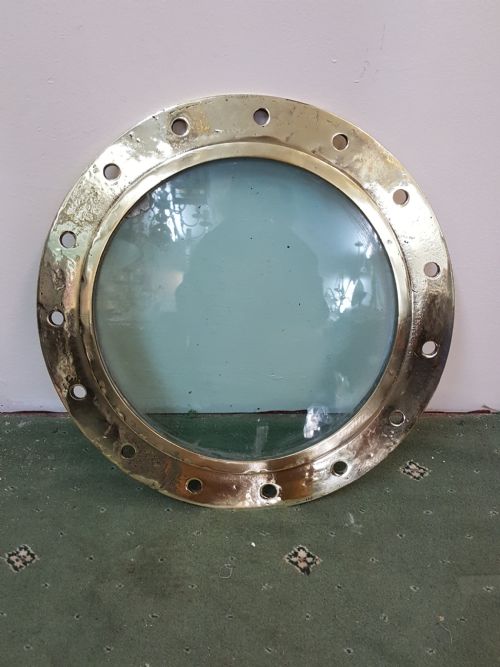


Antique Decor Mirror
An antique decor mirror brings distinct historical character to a room, offering rich materials and craftsmanship from past centuries.
Antique Decor Mirror
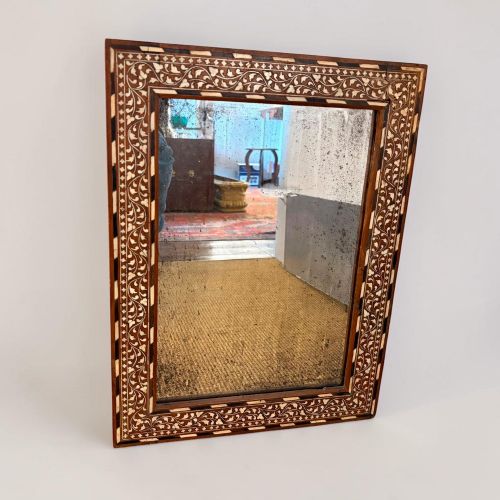
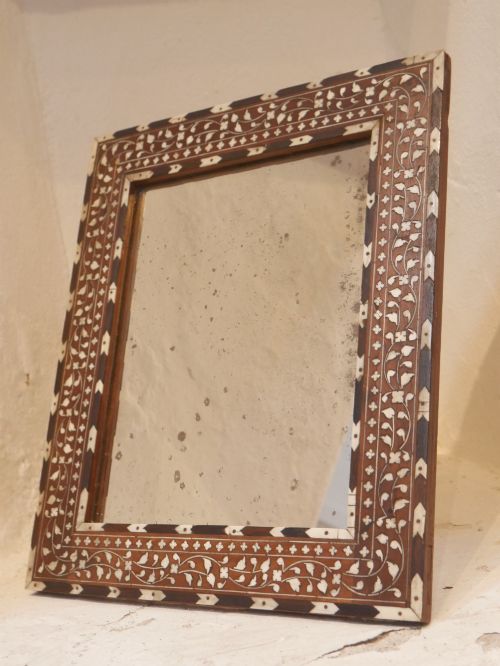
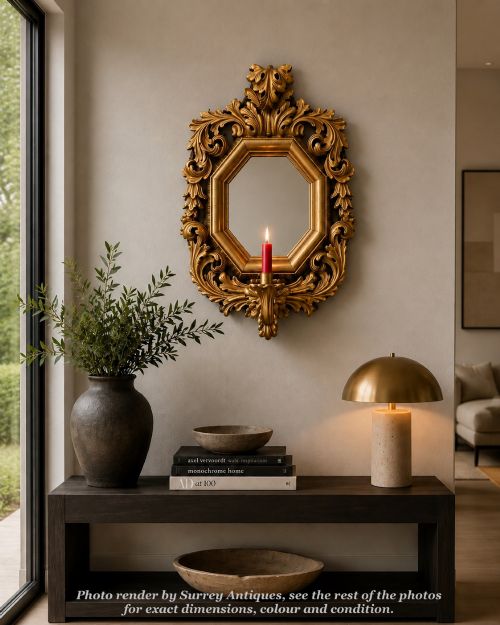
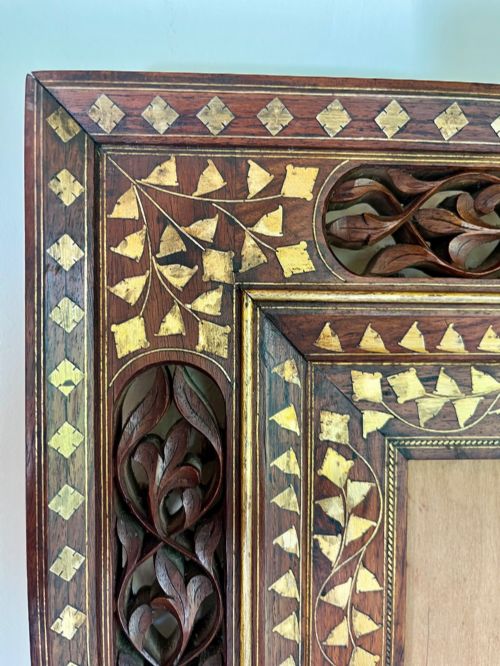
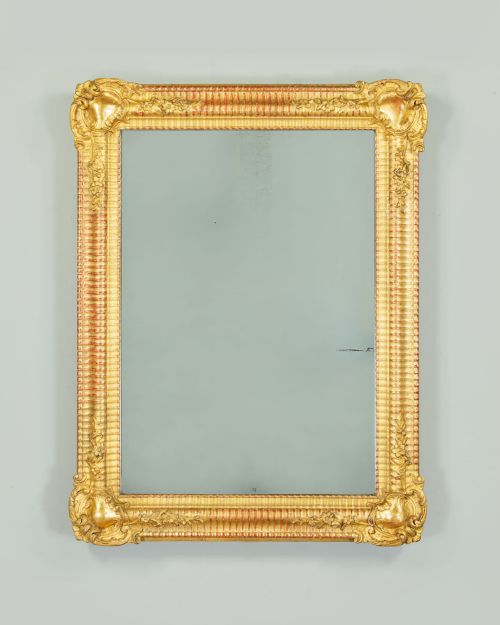
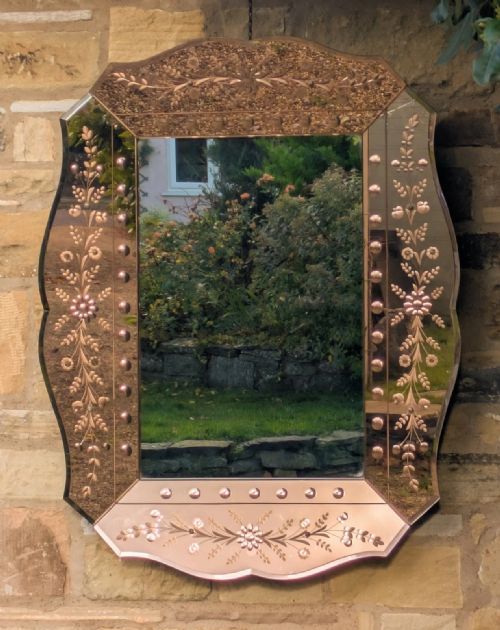
When you search for an antique decor mirror, you encounter a diverse selection of wall mirrors, architectural salvage pieces, and framed items originating from the nineteenth and early twentieth centuries. These objects span various distinct regional styles, including French Louis XV, Venetian, Anglo-Indian, and Edwardian Chinoiserie.
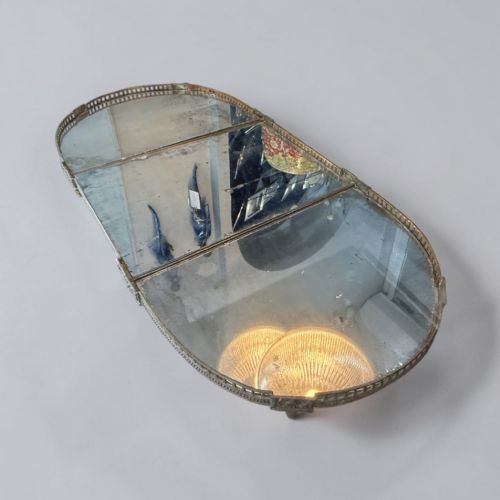
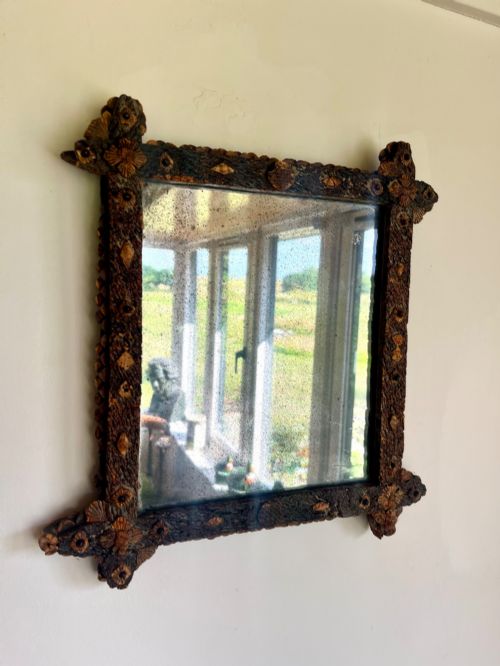
The pieces often feature unique folk art applications, such as tramp art carved wood or fairground and circus panels. You will also find specialised items like overmantle mirrors, table centrepieces, and horseshoe hall mirrors built from oak, brass, and giltwood.
Most examples date across the Victorian and Edwardian eras, reflecting the decorative tastes of the eighteen-eighties through to the nineteen-thirties. Each piece serves as both a functional looking glass and a striking wall hanging shaped by its specific period of origin.
What varies in quality
The calibre of an antique decor mirror rests largely on the execution of its carved details and the preservation of its original surface finishes, such as gold leaf and paint. Pieces exhibiting finely rendered motifs, like the hand-carved birds of prey or intricate Chinoiserie designs, demonstrate superior artisan skill.
The integrity of the materials also dictates the standard of the piece, from the depth of the bevelling on the mirror glass to the structural stability of heavy wooden frames and architectural salvage. Original frames retaining their untouched patination hold greater visual and historical cohesion.
Antique Decor Mirror Retail Price Guide 2026
Typical asking prices for decor mirror among the pieces listed under this phrase on Sellingantiques today, from the lower quarter to the upper quarter. They describe what is for sale here now, not the wider market.
The Antique Decor Mirror Glossary
- Giltwood
- Wood that has been coated with gold leaf or gold paint. This technique was widely utilised on nineteenth-century wall mirror frames to create a brilliant metallic sheen.
- Gesso
- A plaster-like mixture applied to wood surfaces as a base for moulding and gilding. Artisans carved intricate decorative patterns into this material before applying gold leaf.
- Tramp art
- A woodwork style where small chips of wood are notched and layered together in geometric patterns. Cork tramp art creates heavily textured frames with distinct relief.
- Chinoiserie
- European artistic style reflecting Chinese motifs and decorative techniques. Edwardian mirrors in this style often feature painted oriental scenes and figures upon the frame.
- Girandole
- A branched wall mirror designed to hold candles or lights. The reflective glass enhances the ambient illumination of the room.
Antique Decor Mirror: Frequently Asked Questions
How do I hang a heavy overmantle mirror safely?
Heavy overmantle and wall mirrors require secure fixings anchored directly into structural wall studs or masonry. Using appropriate weight-rated brackets ensures the substantial timber and glass frame remains stable.
Professional installation is often recommended for large nineteenth-century pieces to distribute the considerable weight evenly across the wall surface.
Where should I place an antique mirror in my home?
Antique decor mirrors work effectively when hung opposite windows to amplify natural daylight and create a sense of expanded space. They also serve as focal points above mantelpieces, in hallways, or as standalone decorative wall panels.
Consider the surrounding room style to pair pieces like Venetian glass or Edwardian Chinoiserie with complementary interior furnishings.
How can I tell the difference between Victorian and Edwardian mirrors?
Victorian mirrors often display heavier, more ornate ornamentation with deep wood carvings, giltwood, and substantial proportions. These pieces reflect the eclectic and revivalist decorative trends of the nineteenth century.
Edwardian examples frequently lean towards lighter aesthetics, incorporating styles like Chinoiserie and refined frames that suit the brighter interiors of the early twentieth century.
What is fairground and circus mirror decor?
Fairground and circus mirrors are decorative panels and looking glasses originating from nineteenth and early twentieth-century amusement attractions. These pieces often feature playful, folk art aesthetics and painted elements.
They bring an unconventional, conversational element to modern interiors as distinct pieces of social history.