



Antique Decanters with Handles
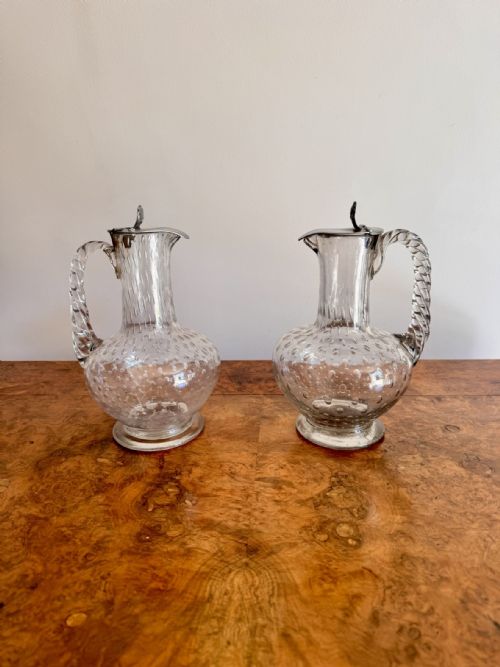
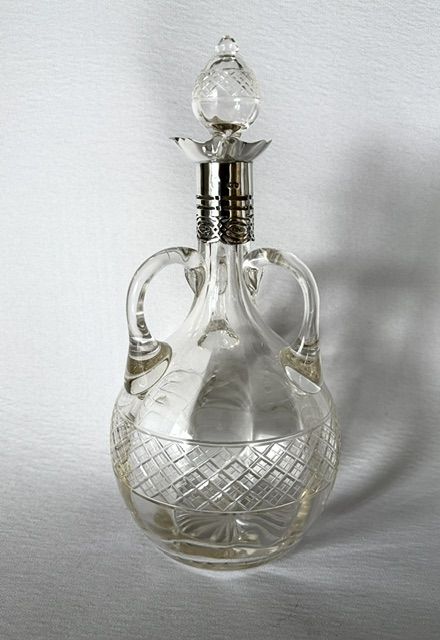
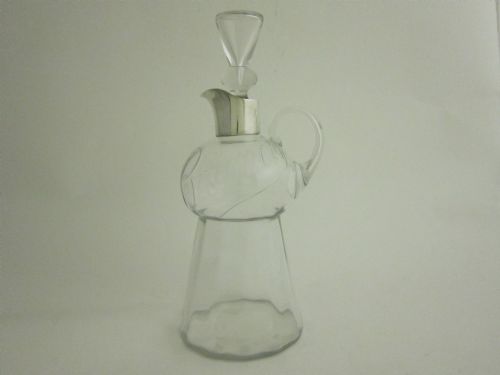
These antique decanters with handles combine functional vessels with decorative glass and metalwork, offering collectors striking centrepieces for the dining table.
Antique Decanters with Handles
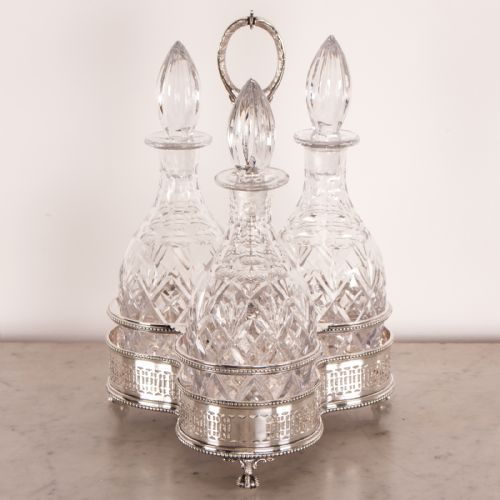
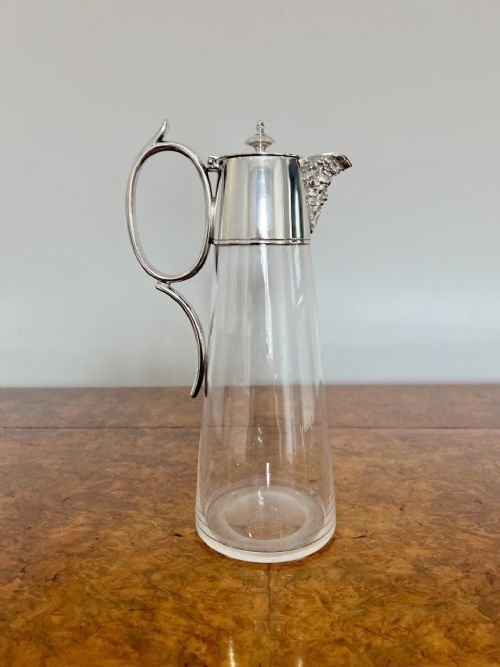
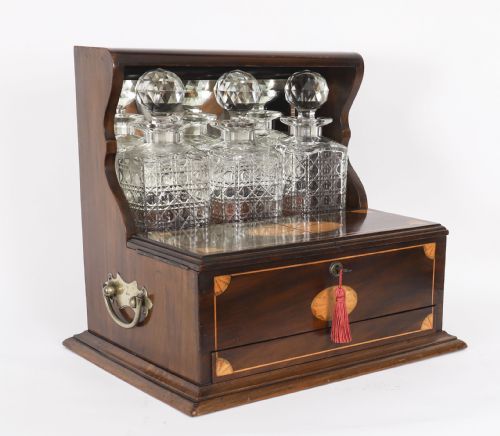
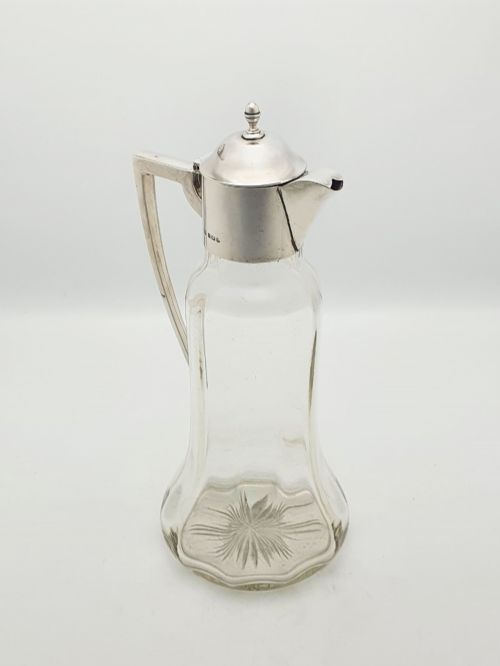
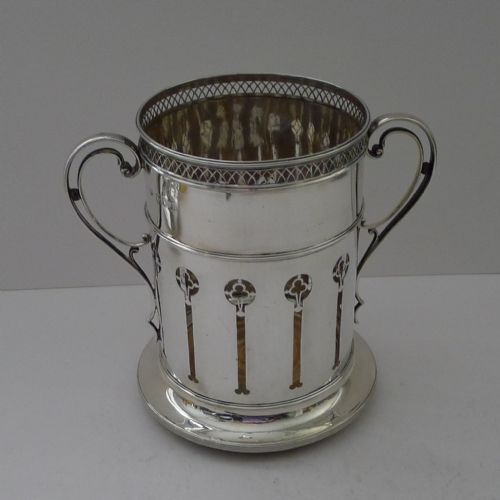
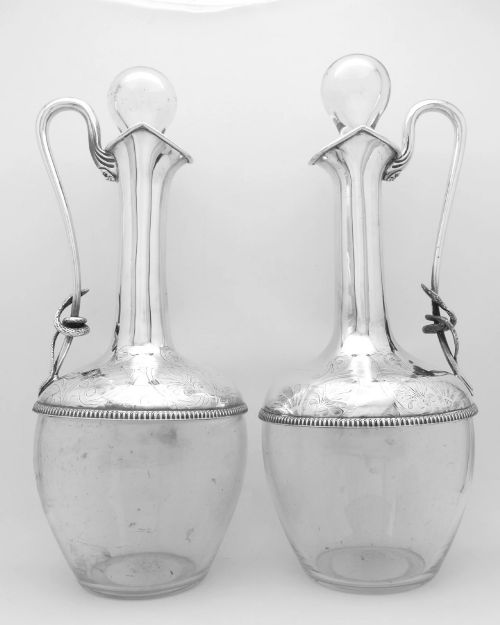
Antique decanters with handles encompass a diverse range of serving vessels, from Georgian Regency trays and Victorian cut glass decanters to Edwardian claret jugs and ewers. Buyers exploring antique decanters with handles will encounter forms designed for serving wine, cocktails, and champagne, often accompanied by silver plated mounts or stands.
The selection on this page bridges several distinct eras, including the nineteenth century, the Victorian period, the Edwardian era, and Art Nouveau design. Jugs and pitchers appear alongside formal decanter sets and serving trays, reflecting the varied ways hosts presented drinks across different decades.
How they were made
Many of the vessels utilise hand blown glass, clear glass, and lead crystal, shaped with intricate cut glass patterns or delicate latticinio decoration. Engraving and cranberry colouring add visual depth to the glass bodies, demonstrating the skill of period glassmakers.
Metal components rely heavily on silver plate, silvered pewter, and solid mounts that form secure handles and rims. Workshops integrated these metal mounts directly with the glass bodies, creating robust serving pieces designed for regular use.
Listings feature items spanning the Georgian, Victorian, Edwardian, and Art Nouveau styles, created across the nineteenth and early twentieth centuries.
What varies in quality
Quality rests in the crispness of the glass cutting and the weight of the crystal, where heavier lead crystal and deeply refractive cut glass distinguish finer pieces from simpler vessels. The integration between the handle and the body also signals standard, with secure, well-balanced mounts indicating superior manufacturing.
The artistry of the metalwork elevates specific examples, particularly when makers incorporate sculptural elements like mermaid handles or detailed silver plated galleries into trays and jugs. Simpler utilitarian designs sit at the other end of the scale, prioritising function over decorative flourishes.
Walker & Hall·Hukin & Heath·WMF
The Antique Decanters with Handles Glossary
- Cut glass
- Glass decorated by cutting facets or patterns into the surface using a wheel. This technique creates sparkling geometric designs that catch the light.
- Latticinio
- A glassblowing technique featuring opaque white or coloured glass threads embedded within clear glass. It produces delicate, web-like patterns.
- Silver plate
- A base metal coated with a thin layer of silver. This process provided the appearance of solid silver at a lower production cost during the nineteenth and twentieth centuries.
- Ewer
- A large jug with a wide spout and a prominent handle, traditionally used for holding water or wine. Antique examples often feature decorative mounts.
- Claret jug
- A specialised pouring vessel designed specifically for serving red wine. They frequently combine glass bodies with silver plated handles and hinged lids.
Antique Decanters with Handles: Frequently Asked Questions
What are antique decanters with handles used for?
These vessels served historic households as practical containers for holding, decanting, and pouring wine, claret, and champagne during formal dinners and gatherings. Handles allowed hosts to pour beverages securely without touching the glass bowl.
Today, collectors utilise them in dining rooms and living spaces as functional barware or decorative displays that reflect period craftsmanship.
How do I date an antique decanter?
Dating relies on examining the manufacturing style, glass clarity, cutting techniques, and associated metal mounts. Regency and Georgian pieces often display simpler, heavier proportions, while Victorian and Edwardian examples incorporate deeper cutting and more ornate silver plated handles.
Maker marks stamped onto silver plated mounts provide further clues to production dates and specific workshops.
What is the difference between a jug and a decanter?
Decanters traditionally feature stoppers designed to seal wine and spirits inside the vessel, preserving the contents between uses. Jugs and pitchers possess open spouts intended for immediate pouring.
Many antique serving pieces blur these lines by combining decanter bodies with functional handles and spouts or open trays.
How should I care for glass decanters with silver plate?
Wash glass vessels by hand using lukewarm water and mild detergent, avoiding sudden temperature changes that might crack older hand blown glass. Dry metal mounts carefully to preserve silver plating.
Store pieces away from direct sunlight and use soft cloths to maintain the polish of both the crystal and the metal handles.