


Antique Damask Seats
Antique damask seats combine patterned woven textiles with period wooden frames to provide both decorative presence and functional seating.
Antique Damask Seats
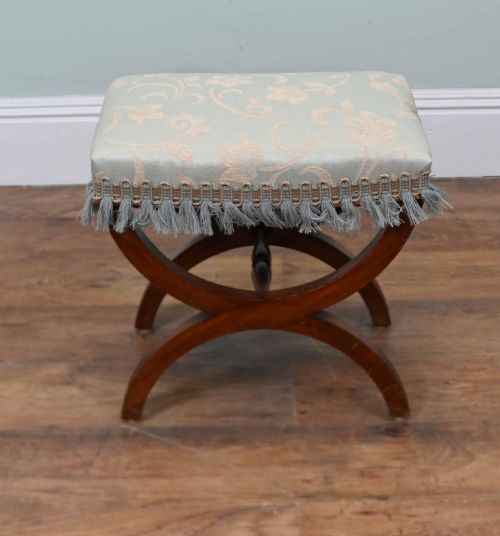
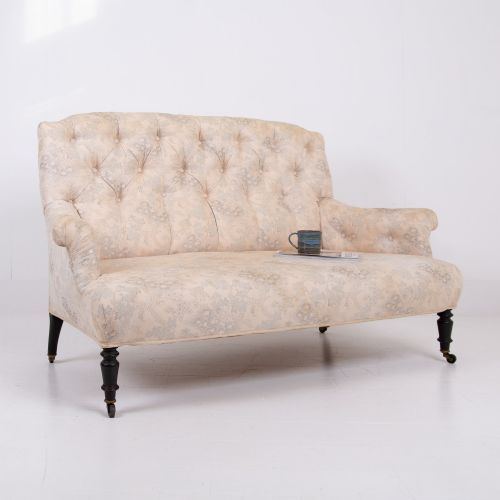
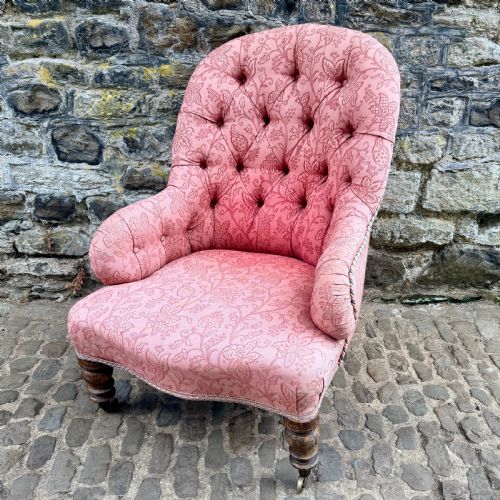
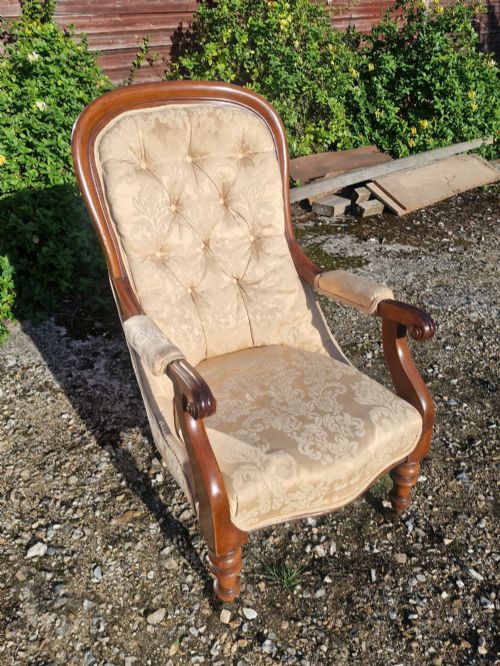
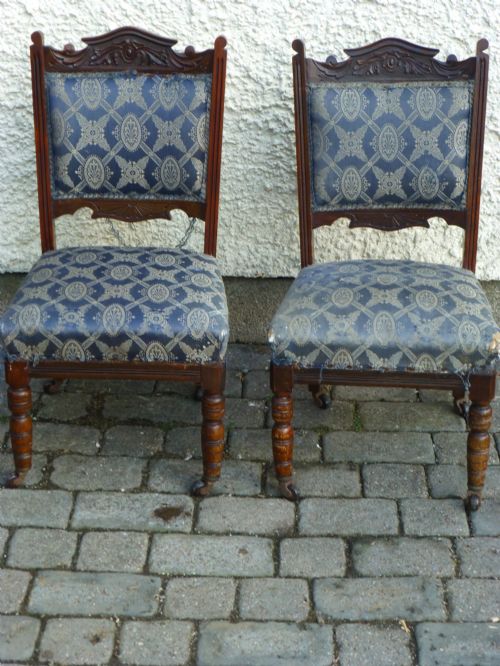
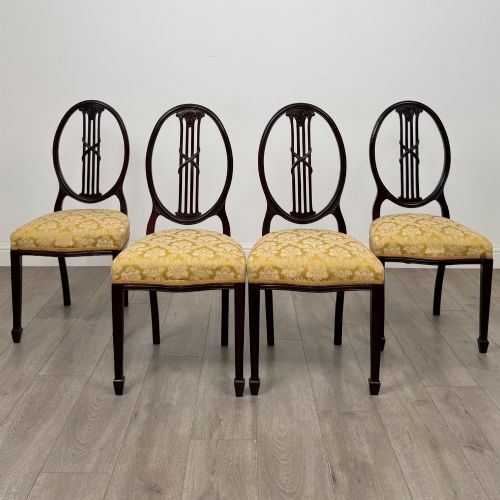
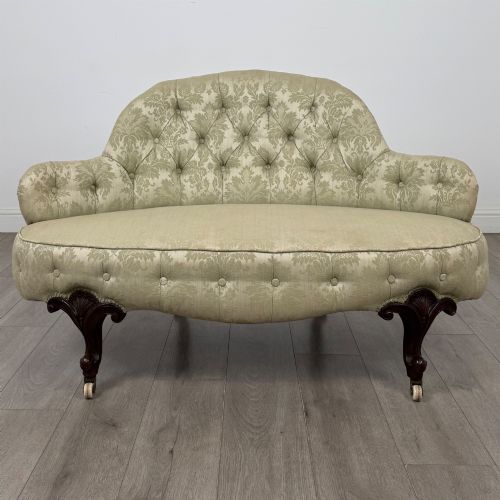
When searching for antique damask seats, buyers encounter a variety of upholstered furniture forms including armchairs, dining chairs, settees, sofas, and stools. These pieces originate from multiple periods such as the 18th century, the Georgian era, the Victorian period, and the Edwardian era.
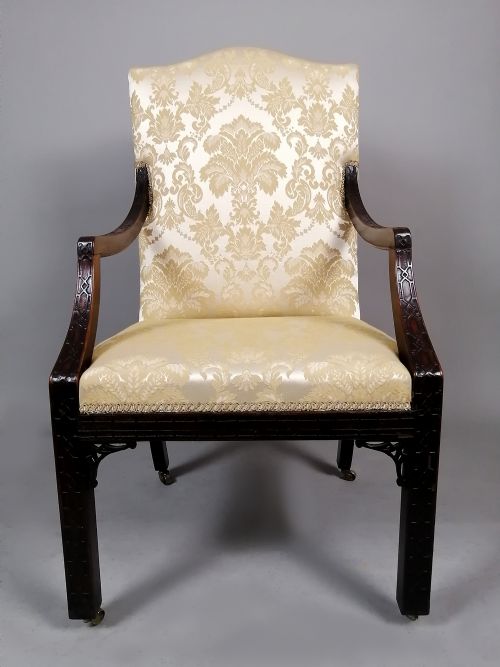
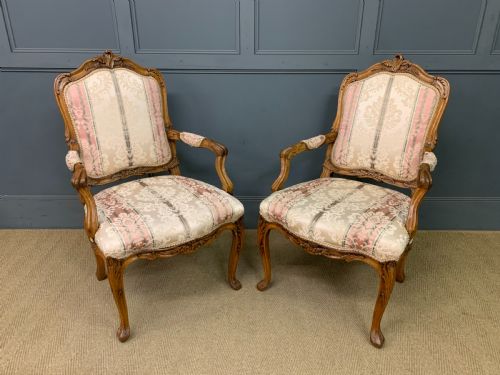
The most common versions met on this page are Victorian and 19th-century armchairs, side chairs, and settee suites. Frames span English styles like Chippendale revival alongside French influences including Louis XV, Napoleon III, and Empire revival designs.
How they were made
Makers constructed the structural frames of these seats using solid timber species such as mahogany, walnut, rosewood, and giltwood. Carved details, turned legs, and inlaid elements demonstrate traditional joinery techniques appropriate to each specific period.
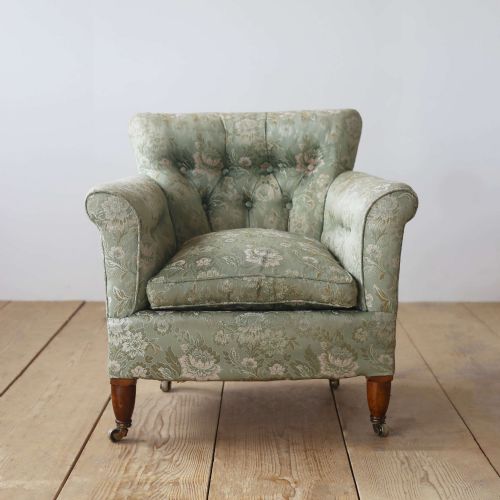
Upholstery involves patterned damask fabric, silk, or general textile coverings applied over padding. Some pieces incorporate internal support methods like feather filling or button-backed construction, whilst others feature exposed carved wooden frames paired with ormolu mounts.
Antique Damask Seats Retail Price Guide 2026
Typical asking prices for damask seats among the pieces listed under this phrase on Sellingantiques today, from the lower quarter to the upper quarter. They describe what is for sale here now, not the wider market.
Listings feature mahogany, walnut, rosewood, and giltwood frames upholstered in damask fabric, silk, and general textiles.
What varies in quality
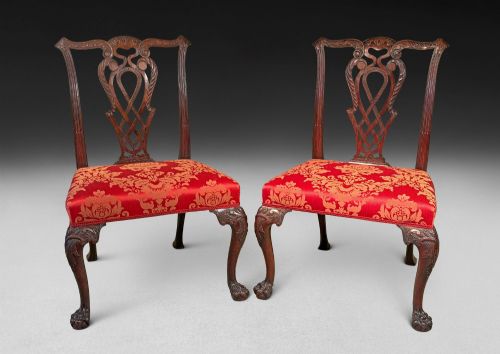
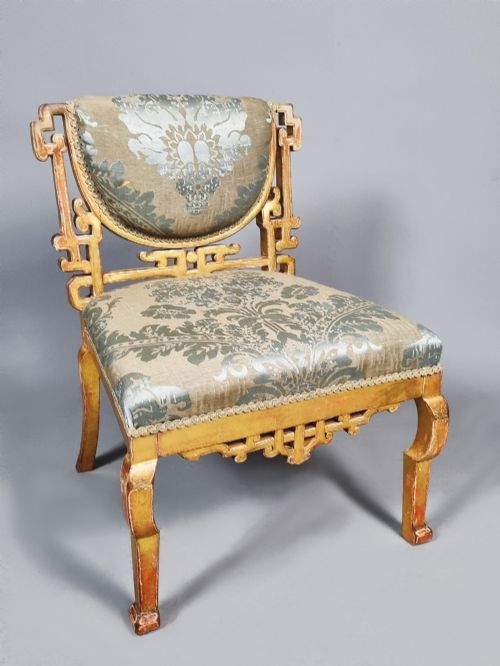
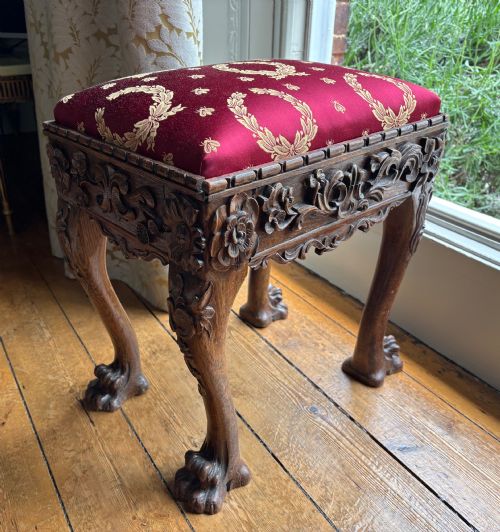
The refinement of the timber carving and the architectural proportions of the wooden frame determine the visual standing of an individual seat. Pieces exhibiting crisp hand-carved motifs, such as those found on Chinese Chippendale or Louis XV style frameworks, sit higher in the range than plain or unadorned structural forms.
The integration between the underlying frame and the textile upholstery also dictates overall merit. Original or sympathetic textile choices that complement the specific period of the mahogany, walnut, or giltwood structure elevate the integrity of the piece.
Waugh And Son
The Antique Damask Seats Glossary
- Damask
- A reversible, figured fabric woven on a jacquard loom with patterns formed by contrasting warp and weft threads. This textile provides the primary decorative upholstery surface seen on these seats.
- Cabriole leg
- A furniture leg that curves outward at the knee and tapers inward toward the ankle, typically ending in a pad or claw foot. This form frequently appears on Georgian and 18th-century seating.
- Giltwood
- Timber, commonly carved wood, coated with a thin layer of gold leaf or gilt powder. It is characteristic of ornate French salon furniture and revival pieces.
- Ormolu
- Cast brass that has been finished with a gold-coloured mercury amalgam. These metallic mounts decorate the frames of neoclassical and French Empire revival furniture.
- Canapé
- An antique French settee or sofa featuring an exposed wooden frame and upholstered back and seat. These items often display carved giltwood or walnut structures.
Antique Damask Seats: Frequently Asked Questions
What periods do these seats cover?
The listings span several centuries, including 18th-century examples from the Georgian era as well as numerous 19th-century Victorian and Edwardian pieces. Later 20th-century items also appear.
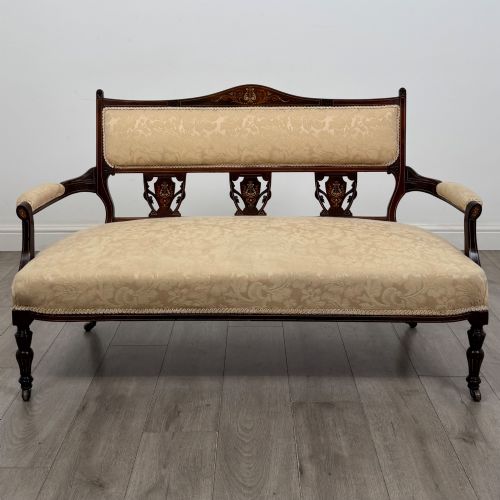
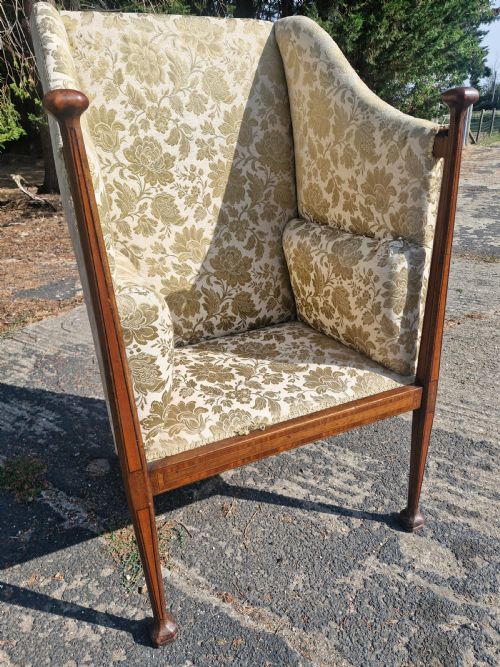
Buyers find distinct design characteristics in each era, ranging from carved mahogany Chippendale styles to button-backed Victorian upholstery and inlaid Edwardian frames.
How do I identify a settee from a sofa?
Settees and sofas both provide multi-seat resting spaces, though historical terminology often distinguishes them by their framing and backrest construction. Settees frequently display more exposed wooden framing.
Many listed items use both terms interchangeably for upholstered seating designed to accommodate more than one person in a drawing room or salon.
Are these chairs suitable for daily use?
Period seating is structurally robust, utilising dense timbers like mahogany and walnut that withstand regular sitting. Internal padding varies from traditional feather filling to modern foam.
When living with these pieces, placement away from direct sunlight protects delicate silk and damask textile upholstery from fading over time.
What timber types are most common?
Mahogany and walnut form the structural basis for the majority of the wooden frames on this page. Rosewood and giltwood also appear on specific revival and French pieces.
These hardwoods provide the structural strength required for carved cabriole legs, X-frames, and intricate chair backs.