

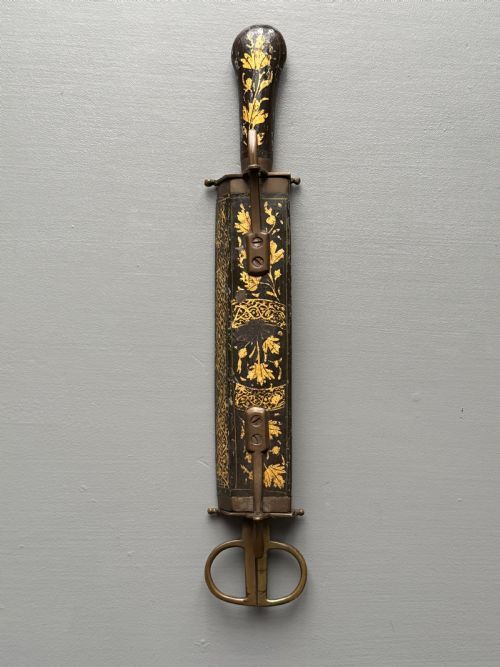


Antique Dagger
An antique dagger carries the weight of personal defence, rank, and regional craftsmanship across centuries.
Antique Dagger
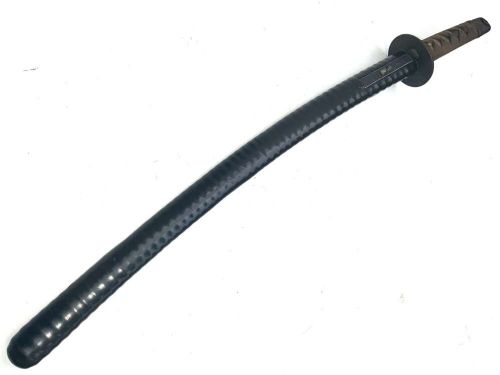
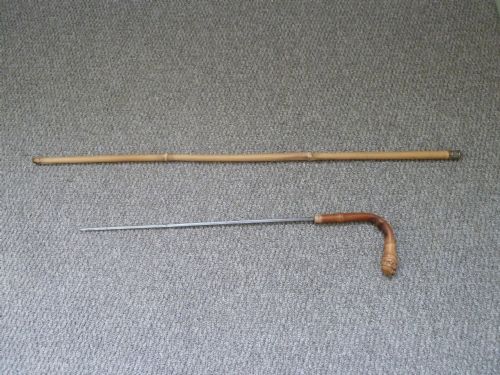
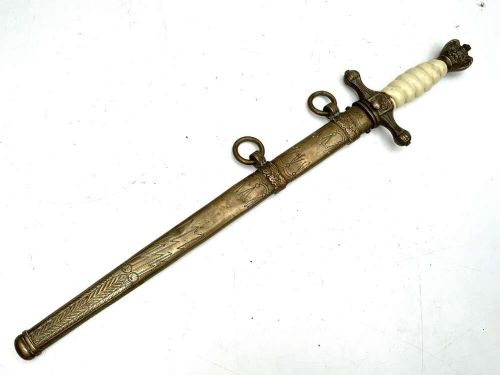
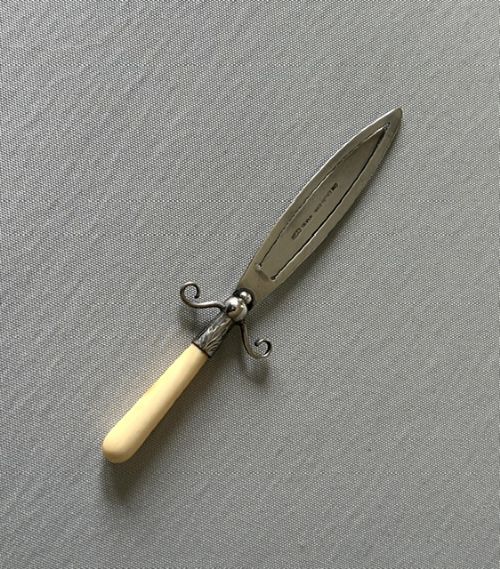
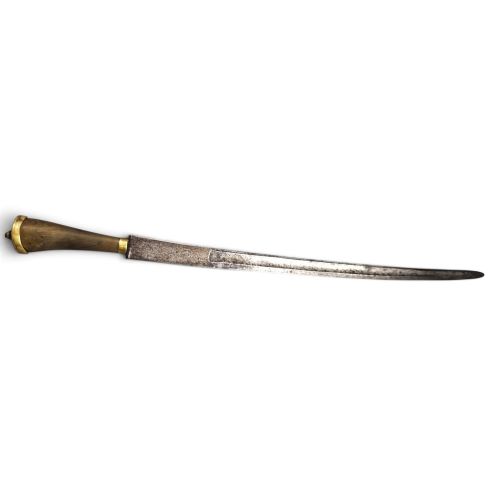
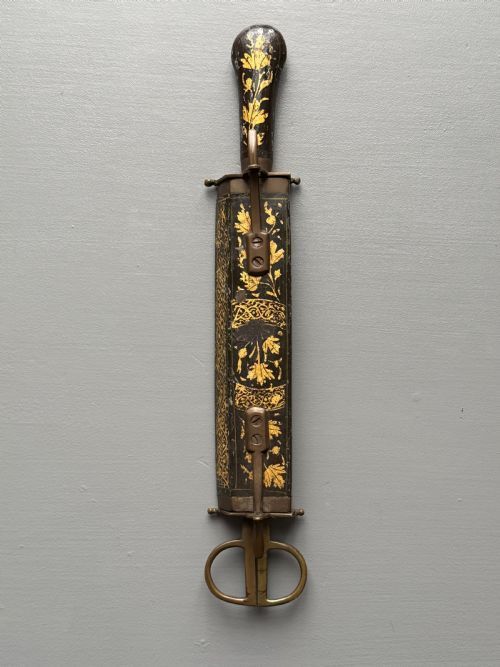
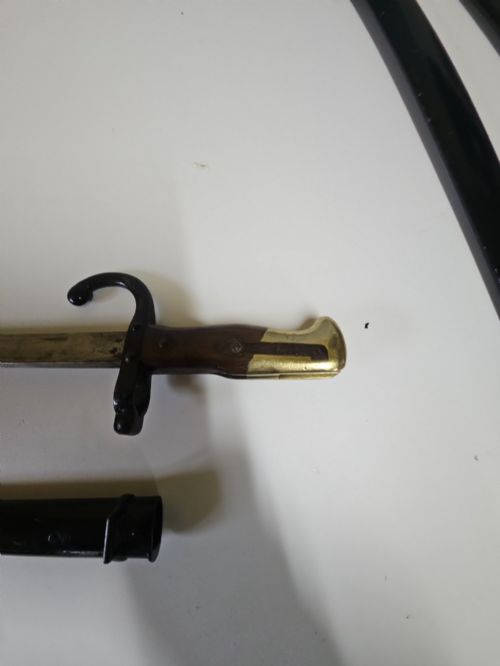
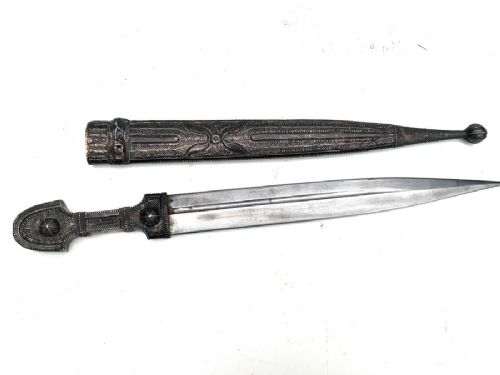
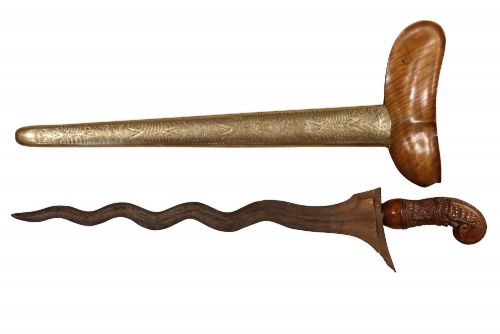
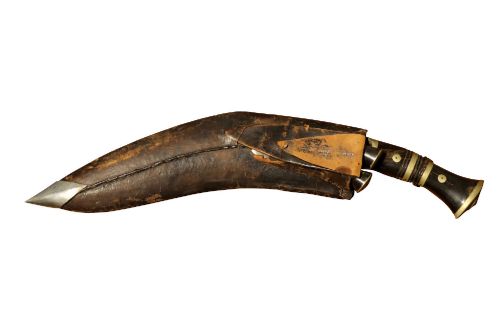
When you search for an antique dagger, you encounter edged weapons spanning military, regional, and decorative traditions from the eighteenth century through to the mid twentieth century. The selections available on this page encompass forms as diverse as Victorian naval dirks, Caucasian kindjals, Persian qajar sets, and Himalayan kukris.
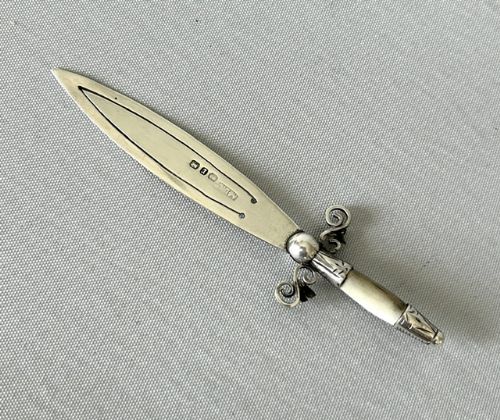
You are most likely to meet nineteenth-century examples shaped by military conflicts, colonial expansion, and traditional craftsmanship. These pieces range from functional fighting blades housed in original leather or metal scabbards to refined silver-hilted dress items and small accessories like bookmarks or brooches.
Materials and construction
Blades are forged from steel, sometimes displaying specialised blue and gilt finishes or complex folded patterns. Hilts utilise organic and metallic elements together, combining bone, mother-of-pearl, wood, papier-mâché, and ivory alongside cast brass, silver, and gold mounts.
Scabbards and mounting hardware complete the construction, incorporating stitched leather, repoussé silver frames, and wire wrapping. Makers joined these components using pins, adhesives, and tight structural friction to secure heavy pommels and crossguards.
Antique Dagger Retail Price Guide 2026
Typical asking prices for dagger among the pieces listed under this phrase on Sellingantiques today, from the lower quarter to the upper quarter. They describe what is for sale here now, not the wider market.
Listings feature steel, silver, brass, wood, and bone across nineteenth-century military, tribal, and ceremonial forms.
Evaluating craftsmanship and condition
The standard of an antique dagger depends on the precision of the blade forging and the integrity of its original fittings. Superior examples retain untouched patinas on their steel surfaces, crisp chasing on silver mounts, and undamaged organic grip scales without major replacement parts.
The presence of matching original scabbards, companion knives, and specialised suspension hardware elevates a piece significantly. Inferior examples often suffer from ground-down blades, loose crossguards, replacement grips, or missing scabbards that diminish their historical coherence.
Crisford and Norris
The Antique Dagger Glossary
- Pesh-Kabz
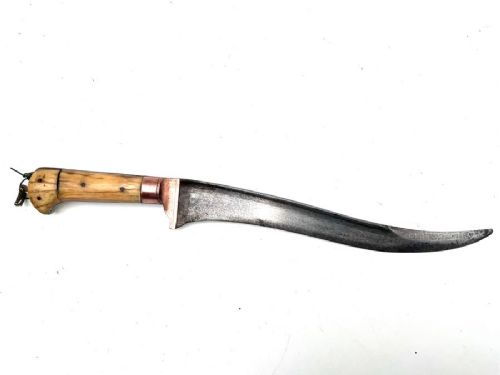
- A single-edged Indo-Persian dagger characterised by a T-section spine that provides rigidity for piercing mail armour. It originates from Mughal India and surrounding regions.
- Kindjal
- A double-edged Caucasian dagger featuring a wide, flat blade and an open grip without a pronounced crossguard. It forms a traditional part of regional dress across the Caucasus.
- Kukri
- A Nepalese knife with a distinctively recurved blade designed for both chopping and utility tasks. It is traditionally housed in a wooden scabbard accompanied by small utility blades.
- Jambiya
- A short dagger with a curved double-edged blade worn prominently on a belt in Middle Eastern cultures. The hilt and sheath often display elaborate silver repoussé work.
Antique Dagger: Frequently Asked Questions
How do I clean an antique dagger?
Maintenance requires preserving the existing metal patina rather than polishing the steel to a bright finish. Lightly oiling the blade prevents active rust from forming.
Wooden and leather components benefit from minimal handling and stable humidity. Avoid harsh chemical cleaners or abrasive materials that remove historical surface wear.
How can I tell the region of origin?
Regional identity appears through distinct blade profiles, hilt architecture, and decorative motifs. For example, a curved single edge points toward Middle Eastern jambiyas, while straight T-section spines suggest Indo-Persian workshops.
Scabbard construction and metalwork techniques like silver repoussé further pinpoint geographic origins across Europe, Asia, and the Middle East.
Are scabbards usually original?
Original scabbards accompany many surviving examples, though replacement leather or metal sheaths occur frequently among pieces with active military histories. Matching wear patterns between the blade and the inner throat of the scabbard often confirm their pairing.
Slight shrinkage or looseness in older leather is common due to age and environmental changes over the centuries.