




Antique Cutlery Service
An antique cutlery service brings unmatched presence to the dining table, pairing period craftsmanship with everyday utility.
Antique Cutlery Service
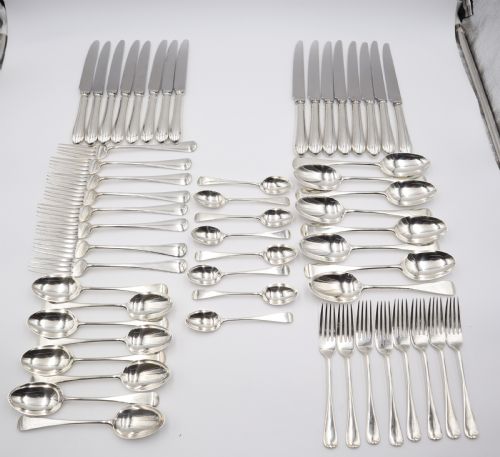
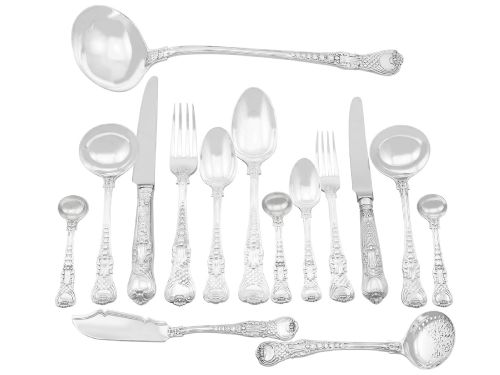
An antique cutlery service encompasses comprehensive canteens, boxed sets, and specialised service pieces spanning the Georgian, Victorian, and Edwardian eras. These collections range from large silver services intended for twelve persons down to compact dessert sets and fruit services.
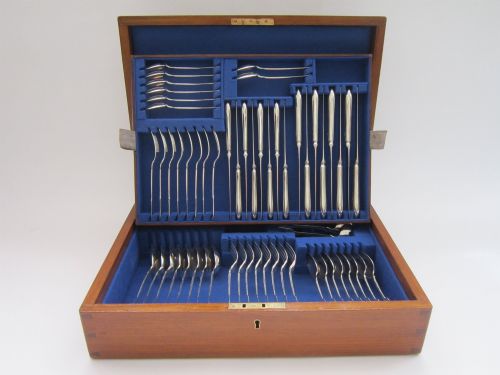
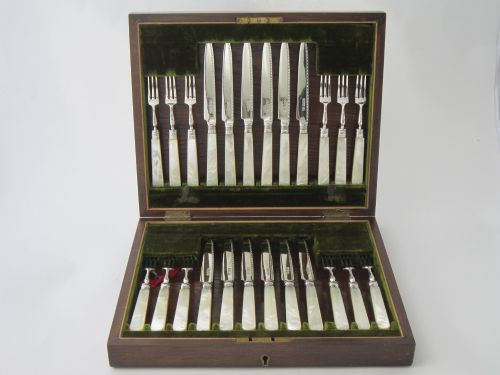
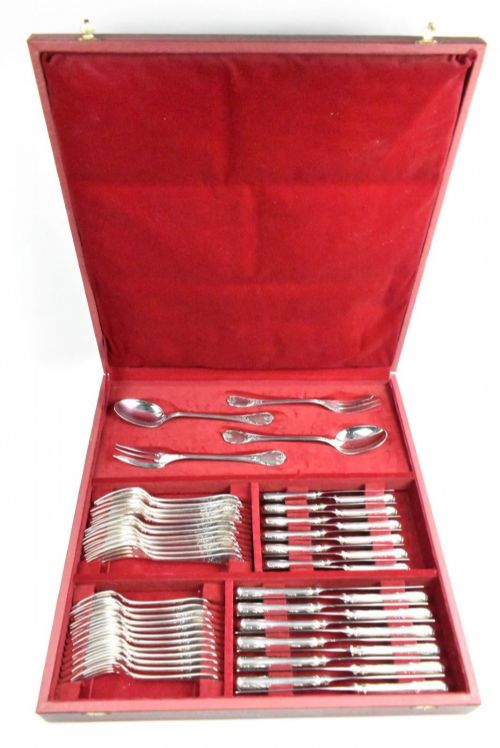
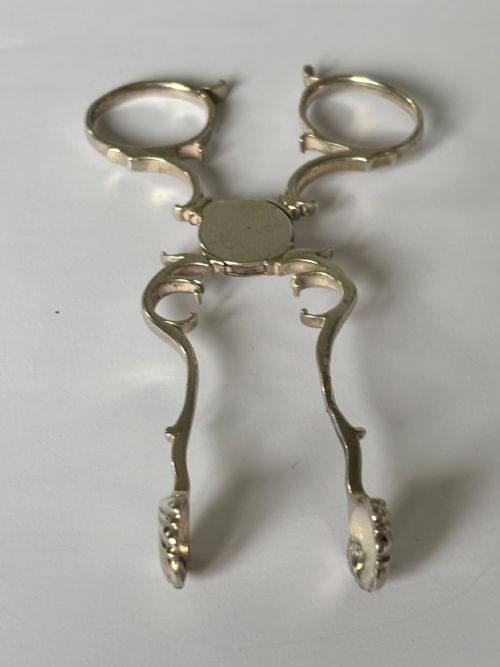
The services most frequently encountered on this page include fitted wooden canteens housing sterling silver or silver plate utensils, alongside cased sets incorporating mother of pearl and bone handles. Object types stretch from complete flatware canteens in traditional patterns to dedicated fish sets and sugar tongs.
How they were made
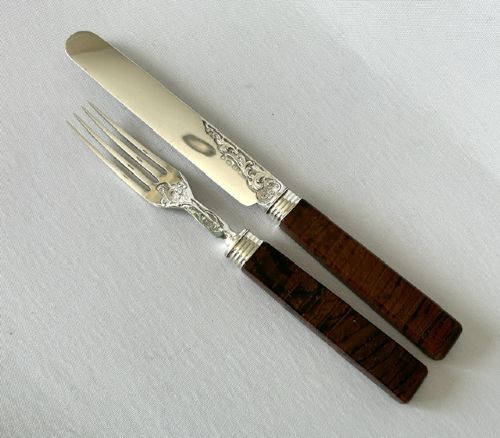
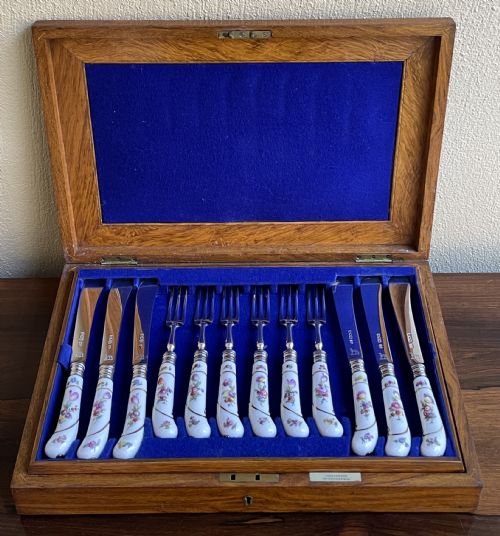
Silversmiths shaped sterling silver and silver plate through forging and casting, often applying intricate patterns such as Fiddle or traditional flourishes by hand. Steel blades for knives were forged separately and joined to handles of silver, mother of pearl, agate, or porcelain.
Casing and storage formed an integral part of the manufacture, with bespoke boxes fashioned from oak and lined with velvet to protect the contents. Metal components frequently bear hallmarks indicating the assay office, maker, and year of production.
Antique Cutlery Service Retail Price Guide 2026
Typical asking prices for cutlery service among the pieces listed under this phrase on Sellingantiques today, from the lower quarter to the upper quarter. They describe what is for sale here now, not the wider market.
Grape scissors appear alongside fruit knives, proving past diners possessed both the patience and the tools for proper fruit consumption.
What varies in quality
The distinction between tiers rests upon the choice of material, ranging from heavy sterling silver down to silver plate, alongside the integrity of the fitted wooden canteens. Sets featuring precious handle materials like mother of pearl, agate, or porcelain command higher regard.
Completeness and uniformity within a service dictate its standing, with matched place settings carrying greater weight than assembled lots. The crispness of the hallmarks and the preservation of the original velvet-lined housing further separate standard sets from exceptional examples.
Thomas Tookey·Carrington·Hukin & Heath
The Antique Cutlery Service Glossary
- Sterling silver
- An alloy containing 92.5 percent silver by mass, representing the primary precious metal standard used in British silver services.
- Silver plate
- A base metal substrate coated with a thin layer of silver, offering the visual appeal of solid silver at a different scale.
- Fiddle pattern
- A traditional British flatware design featuring a distinct widening at the terminal of the handle, popular throughout the Victorian period.
- Canteen
- A fitted box or chest specifically designed to store and organise a complete service of cutlery and flatware.
- Sugar tongs
- Small spring-action implements utilised for transferring sugar lumps, frequently found paired with teaspoons in cased sets.
Antique Cutlery Service: Frequently Asked Questions
How do I clean sterling silver cutlery?
Clean sterling silver using a dedicated silver cloth and warm soapy water, avoiding harsh abrasive dips that strip the natural patina.
Dry each piece thoroughly before returning them to their velvet-lined slots to prevent moisture accumulation.
Can I use an antique cutlery service daily?
Many people utilise their services for special occasions rather than daily meals to preserve the delicate handles and fine silver edges.
Hand washing is essential, as dishwashers will damage organic handle materials like mother of pearl and weaken plated surfaces.
What does a canteen usually include?
A standard canteen contains place settings for six or twelve persons, including dinner forks, knives, dessert spoons, and serving implements.
Larger services often incorporate fish knives, carving sets, and specialised spoons tailored for specific courses.
How do I identify the date of a set?
Sterling silver pieces carry hallmarks stamped directly into the metal, denoting the assay office, standard mark, and a date letter.
Consulting a standard hallmark guide allows you to trace the exact year the metal was tested and marked.