






Antique Cut Glass Cups
These antique cut glass cups combine heavy lead crystal with sterling silver and etched decoration, offering practical drinking vessels for your collection.
Antique Cut Glass Cups
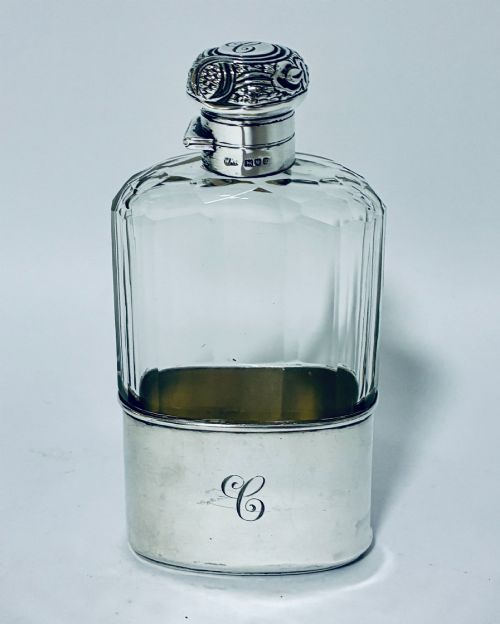
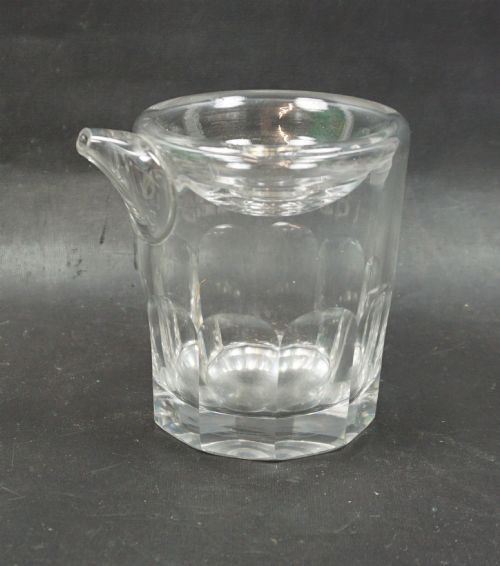
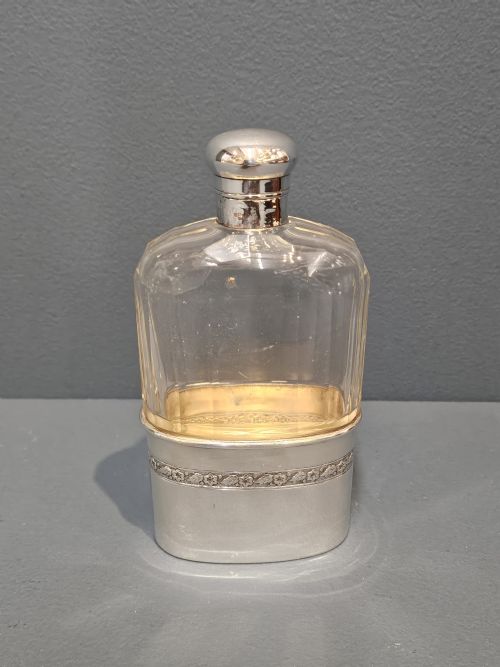
When you search for antique cut glass cups, you encounter drinking vessels, flasks, and stemware spanning the Georgian, Victorian, and Edwardian eras. These forms range from early jelly glasses and custard cups to champagne coupes and spirit flasks mounted in sterling silver.
The pieces on this page originate from English and French makers, utilising lead crystal and coloured glass. You will find items decorated with paste gilding, engraving, and silver mounts from Birmingham, London, and Chester assay offices.
How they were made
The makers formed these objects using heavy lead crystal and coloured glass, often casing layers together as seen in cranberry over crystal champagne coupes. Artisans shaped the vessels by blowing and pressing molten material before applying deep wheel cuts to the surface.
Metalwork complements the glassware through sterling silver mounts, silver gilt, and gold leaf details. Silversmiths fitted collars, cups, and hinged lids directly onto the glass bodies of spirit flasks and tyg cups.
Antique Cut Glass Cups Retail Price Guide 2026
Typical asking prices for cut glass cups among the pieces listed under this phrase on Sellingantiques today, from the lower quarter to the upper quarter. They describe what is for sale here now, not the wider market.
Listings feature periods from the Georgian era through to the 1930s, incorporating Sterling Silver, lead crystal, and coloured glass.
What varies in quality
Quality rests in the crispness of the wheel cutting and the weight of the lead crystal glass. Heavy, resonant crystal with sharp facets indicates superior production compared to lighter, softer alternatives.
The refinement of the silver mounts and engraved ornamentation also defines the tier of a piece. Well-defined hallmarks, delicate floral engraving, and secure silver gilt fittings elevate a vessel from simple utility to high craftsmanship.
George Ernest Hawkins·Asprey
The Antique Cut Glass Cups Glossary
- Lead crystal glass
- A type of glass containing lead oxide that increases weight, brilliance, and softness for deep cutting. This material gives vintage cups a clear ring when struck.
- Silver gilt
- Sterling silver that has been coated with a thin layer of gold on the surface. This technique provides a rich two-tone appearance inside silver mounts and cups.
- Custard cup
- A small handled or footed vessel designed for serving desserts in the eighteenth and nineteenth centuries. These items often feature moulded bowl shapes and panel cutting.
- Tyg cup
- A large drinking vessel fitted with multiple handles for communal passing during feasts. Examples in this category combine solid silver and cut glass bodies.
- Paste gilding
- The application of powdered gold mixtures onto glass surfaces followed by firing. This decoration adds metallic sheen and patterns to bowls and glassware.
Antique Cut Glass Cups: Frequently Asked Questions
What are antique cut glass cups?
These items encompass drinking vessels, custard cups, and stemmed glassware made from lead crystal with faceted surfaces. They reflect domestic dining and drinking habits from the Georgian period through the Edwardian era.
Many examples feature added sterling silver mounts, engraving, or coloured glass overlays. They were produced for functional daily use as well as special occasions and commemorations.
How do I date a cut glass cup?
Dating relies on the style of the glass cutting, the form of the vessel, and any accompanying silver hallmarks. Georgian pieces often show shallower hand-cutting, while Victorian and Edwardian items display heavier press-moulding and deep prismatic facets.
Silver mounts stamped with town marks and date letters provide precise years for items such as hip flasks and spirit cups. Comparing the silhouette to documented dessert and barware helps narrow down the decade of manufacture.
Were these cups used daily?
Earlier jelly and custard cups served rich desserts at formal dining tables, while cordial glasses and champagne coupes held drinks during celebrations. Spirit flasks and hip flasks accompanied travellers on journeys and outdoor pursuits.
Over time, many of these fragile items transitioned from active service to display pieces. Their robust lead crystal construction allowed them to survive centuries of handling.
How do I care for antique glass?
Wash these vessels by hand in warm water using mild soap, avoiding sudden temperature changes that can crack old crystal. Soft cloths prevent scratching the polished facets and delicate engraved details.
Store them on stable surfaces away from direct sunlight and edge crowding. If the piece includes silver mounts, use appropriate silver polish carefully to keep the metal clean without touching the glass.