




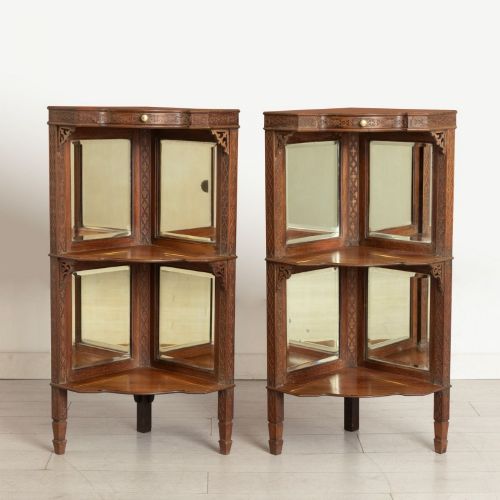
Antique Cupboard with Back
An antique cupboard with back provides a sturdy base and a display superstructure, combining storage and shelving in mahogany, oak, or rosewood.
Antique Cupboard with Back
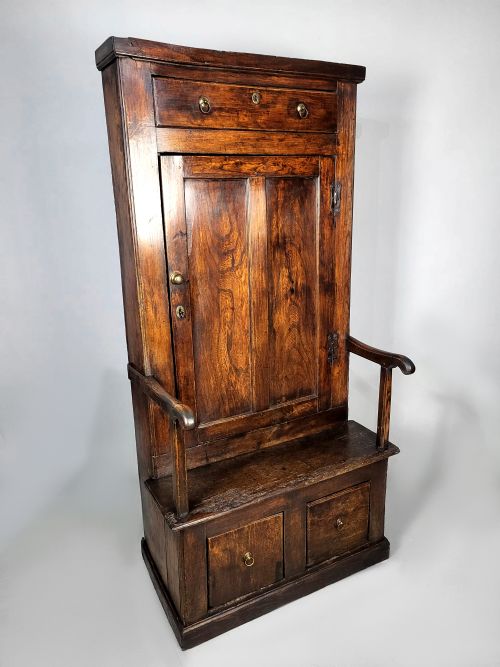
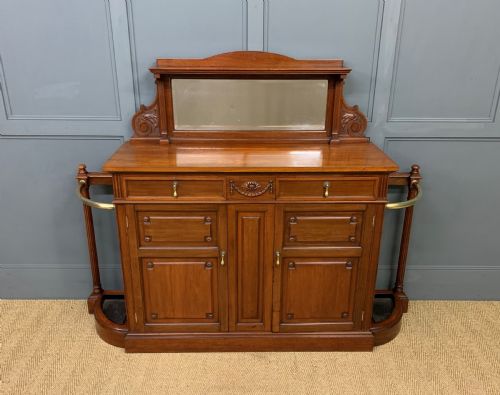
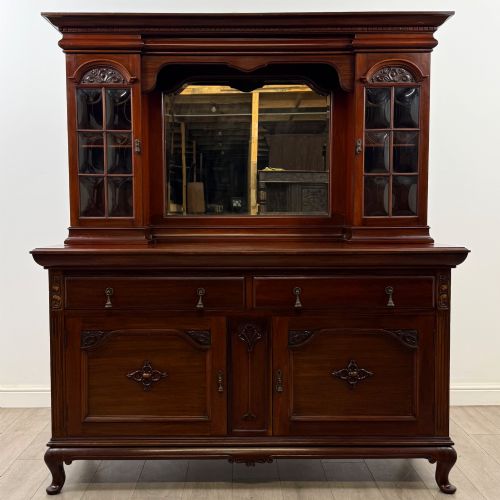
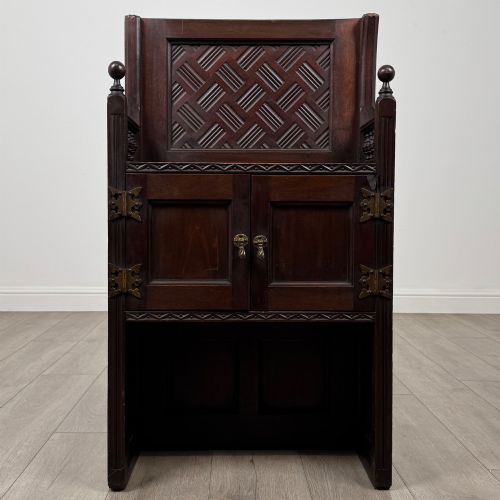
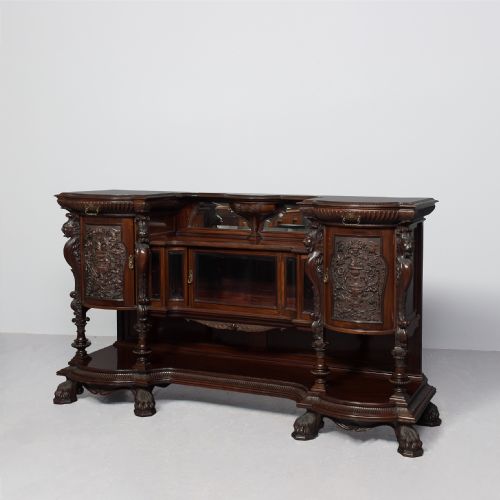
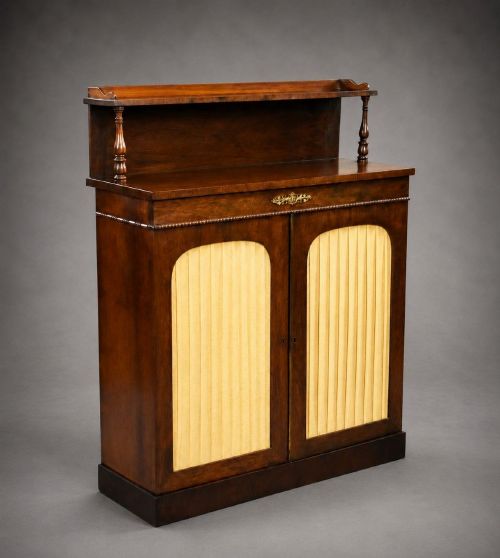
An antique cupboard with back combines a lower storage compartment with an upright superstructure, frequently taking the form of a chiffonier, display cabinet, or dresser. These pieces originate across the Regency, Victorian, Edwardian, and seventeenth-century periods, reflecting shifting domestic needs for storage and surface display.
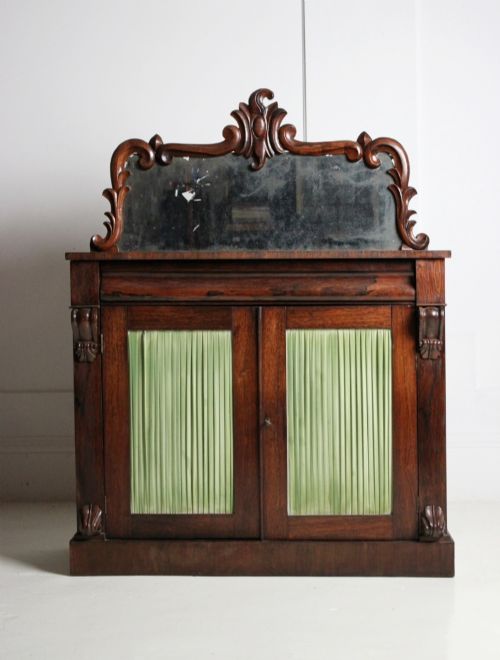
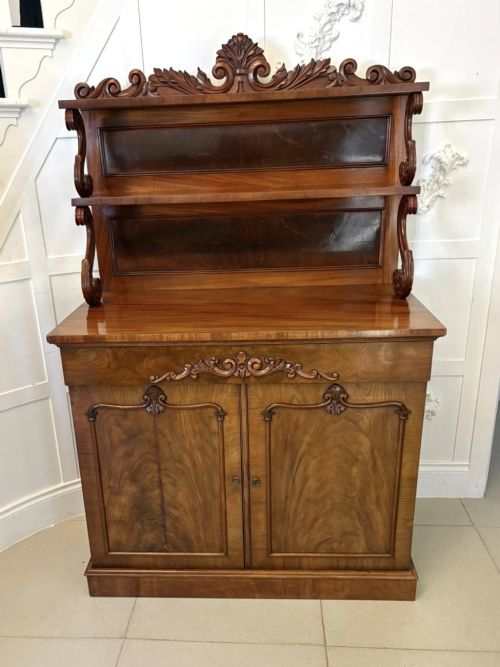
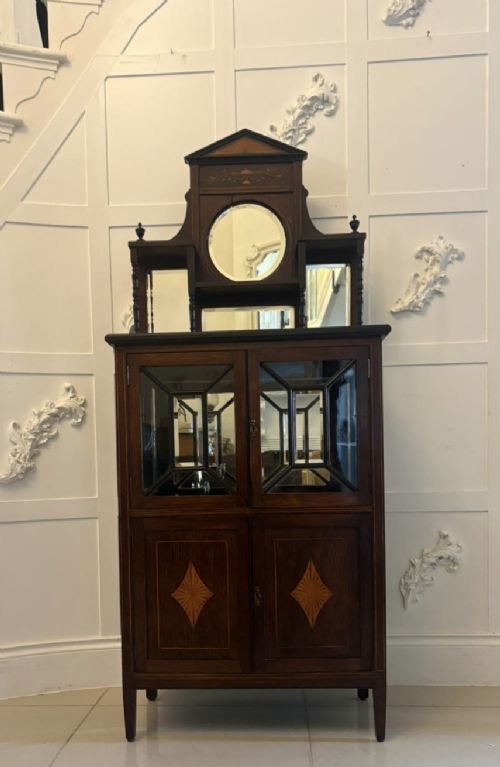
Buyers on this page are most likely to encounter Victorian mahogany chiffoniers and display cabinets featuring integrated mirror-backs or tiered shelving. Such pieces serve practical functions in dining rooms and living spaces while showcasing distinct period craftsmanship.
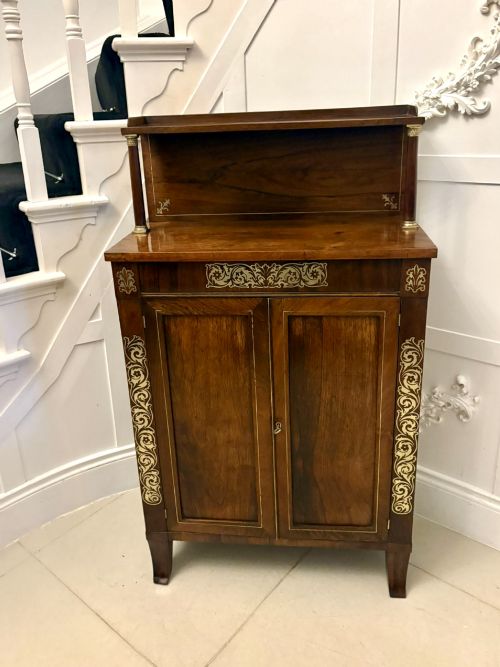
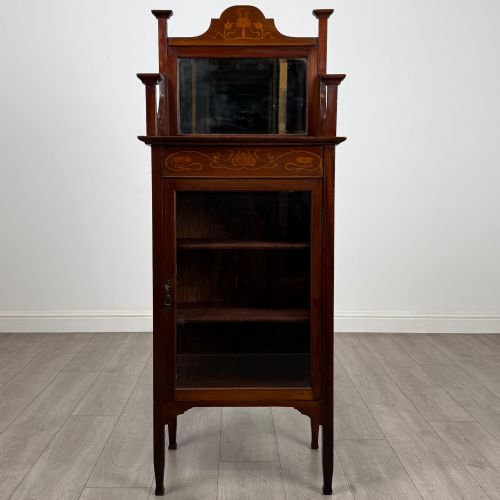
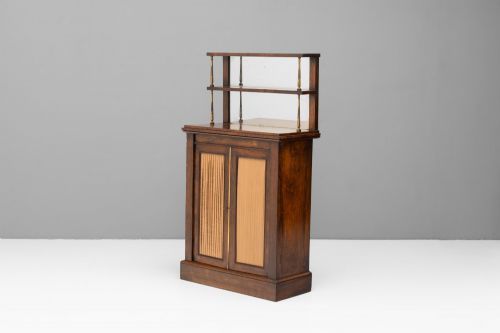
Forms range from compact Regency side cabinets with shelf backs to large oak Welsh dressers and satinwood-inlaid Edwardian display cabinets. Each variation demonstrates how cabinetmakers adapted the basic cupboard form to suit changing tastes in wood and ornamentation.
Materials and Construction
Makers utilised dense hardwoods such as mahogany, rosewood, and oak as the structural foundation for these cupboards and cabinets. Secondary timbers like pine appear in kitchen dressers, whilst satinwood and brass provide decorative contrast and hardware.
Superstructures frequently incorporate glass, mirrors, and tiered wooden shelving secured to the main cabinet body. Joinery methods include breakfront construction and carved detailing, alongside inlaid veneers in later Edwardian and Regency examples.
Antique Cupboard with Back Retail Price Guide 2026
Typical asking prices for cupboard with back among the pieces listed under this phrase on Sellingantiques today, from the lower quarter to the upper quarter. They describe what is for sale here now, not the wider market.
Cabinet forms include chiffoniers, Welsh dressers, display cabinets, console tables, and washstands.
Distinctions in Quality
Quality in an antique cupboard with back rests upon the selection of timber figures, such as fiddle-back mahogany or figured rosewood, alongside the crispness of carved elements and inlay work. Superior examples demonstrate thoughtful grain matching across doors and panels.
The integration of the back structure dictates overall refinement, distinguishing simple attached shelves from elaborate mirror-backed and gilt-mounted superstructures. Robust internal joinery and well-fitted drawers complete the standard of the piece.
The Antique Cupboard with Back Glossary
- Chiffonier
- A low sideboard featuring enclosed cupboards beneath, often surmounted by a shelf back or mirror superstructure.
- Breakfront
- A cabinet design where the central section projects forward from the flanking outer sections.
- Fiddle-back
- A decorative figuring in mahogany wood grain that resembles the rippled maple used for violin backs.
- Settle
- A wooden bench with a high back and a solid seat that frequently opens for enclosed storage.
- Biedermeier
- A Central European style dating to the nineteenth century characterised by clean lines and restrained neoclassical forms.
Antique Cupboard with Back: Frequently Asked Questions
What is a chiffonier?
A chiffonier is a low sideboard designed with lower cupboards and an upper tier of shelves or a mirror.
They emerged as versatile storage and display furniture for nineteenth-century reception rooms.
How were mirror-backs used?
Mirror-backs were incorporated into nineteenth-century cabinets to reflect light and display decorative objects.
They brighten darker corners of a room whilst adding visual depth to the furniture.
Where were dressers placed?
Dressers typically stood in kitchens and dining areas for storing tableware and provisions.
The lower cupboards and drawers held heavy items while upper shelves displayed plates.
What distinguishes Regency pieces?
Regency pieces often display figured mahogany timbers, brass mounts, and restrained classical proportions.
Cabinetmakers of this era favoured architectural simplicity and high-grade natural wood grains.