



Antique Crystal Flacon
An antique crystal flacon is a portable vessel for scent, combining heavy glass and precious metal to hold personal fragrance in style.
Antique Crystal Flacon
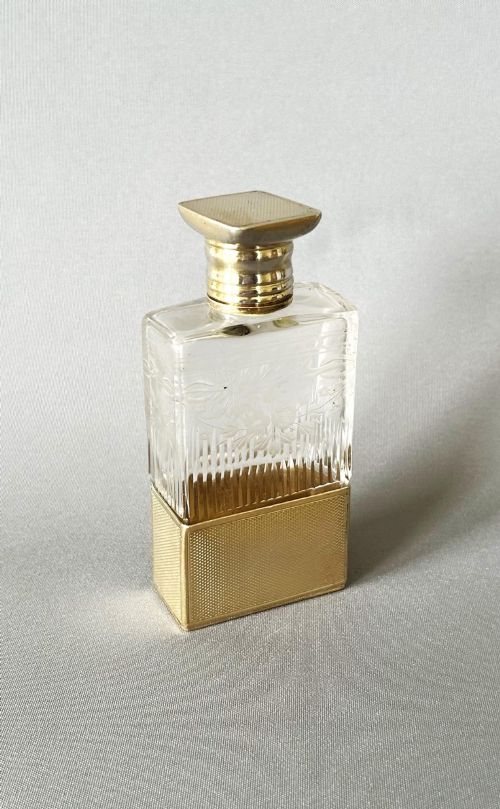
An antique crystal flacon brings together utilitarian function and decorative art, serving as a dressing table ornament or a travelling container for perfume. When searching for an antique crystal flacon, buyers encounter vessels primarily originating from the nineteenth and early twentieth centuries, spanning periods from Victorian and Edwardian eras through to Art Deco designs.
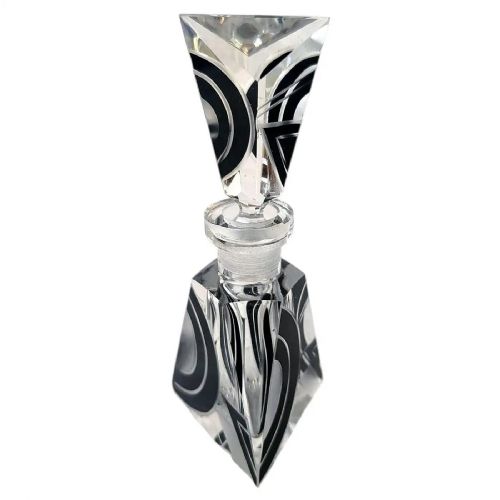
The most common examples on this page date from the nineteen-thirties and showcase geometric cuts, coloured glass, or enamel decoration. These pieces reflect the shift towards modernist aesthetics in European workshops, particularly within the Czech Republic and France, while earlier pieces lean towards traditional English and French silver mounts.
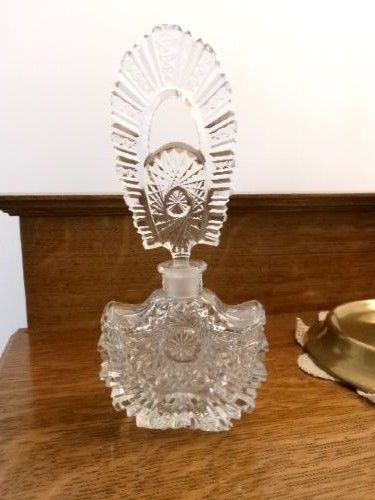
Forms range from small scent bottles and perfume decanters to opalescent glass pieces designed for a lady's dressing case. Each item demonstrates the changing tastes in personal grooming accessories over a century of production.
Assessing quality in flacons
Quality rests upon the crispness of the glass cutting and the weight of the lead crystal. Finer pieces display sharp facets without minor casting flaws, alongside heavier metal mounts that fit securely to the glass neck.
The integration of materials dictates the overall standard, such as the precision of polychrome enamel work or the clarity of an encased sulphide portrait. Maker attribution, visible in specific Czech or French designs, further elevates a piece.
Antique Crystal Flacon Retail Price Guide 2026
Typical asking prices for crystal flacon among the pieces listed under this phrase on Sellingantiques today, from the lower quarter to the upper quarter. They describe what is for sale here now, not the wider market.
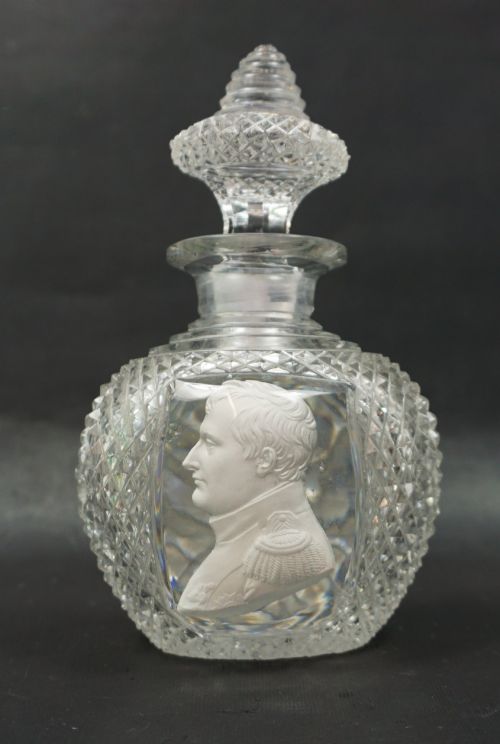
Napoleon watches over one nineteenth-century bottle through a sulphide portrait embedded directly in the crystal.
Karl Palda·Sabino
The Antique Crystal Flacon Glossary
- Lead crystal
- Glass containing lead oxide to increase brilliance, weight, and clarity. This material allows for deeper and sharper facet cutting.
- Flacon
- A small stoppered bottle or flask designed for holding perfume or cologne. The term originates from French terminology for a slender vessel.
- Sulphide
- A small ceramic cameo embedded within the body of the glass during manufacture. It creates a silvery, three-dimensional portrait effect.
- Sterling silver
- An alloy of silver containing ninety-two point five percent pure silver and seven point five percent other metals, used for collars and lids.
- Enamel
- Vitreous material fused to metal through firing, providing colour and decoration on bottle caps and mounts.
Antique Crystal Flacon: Frequently Asked Questions
What is a crystal flacon?
A crystal flacon is a decorative glass bottle designed to hold perfume, cologne, or scented oils. They range from small travel vials to large dressing table display pieces.
These vessels utilise cut glass and precious metals to protect volatile fragrances while looking elegant on a surface.
How do I date a flacon?
Dating relies on stylistic markers, such as Victorian silver mounts, Edwardian hallmarks, or Art Deco geometric forms. Birmingham silver stamps provide exact calendar years for British metalwork.
Glass characteristics, including mould seams and colour palettes, also help assign pieces to specific decades like the nineteen-thirties.
Were these bottles used for travel?
Many smaller flacons were manufactured with secure screw or hinged silver collars specifically for carriage in leather dressing cases. Their robust lead crystal construction protected the contents during transit.
Larger versions remained stationary on dressing tables as centrepieces for daily grooming routines.
How do I clean an antique flacon?
Cleaning requires warm water and mild detergent, avoiding harsh abrasives that scratch the soft lead crystal or damage enamel work. Metal mounts need careful wiping to preserve historic patina.
Internal residue should be soaked gently without immersing fragile vintage stoppers or paper labels.