


Antique Crystal Dish
An antique crystal dish brings heavy glass and bright metal mounts to a table, offering a tangible link to Victorian and Edwardian dining habits.
Antique Crystal Dish
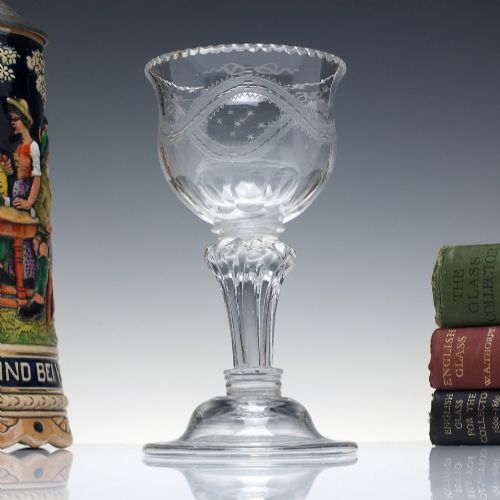
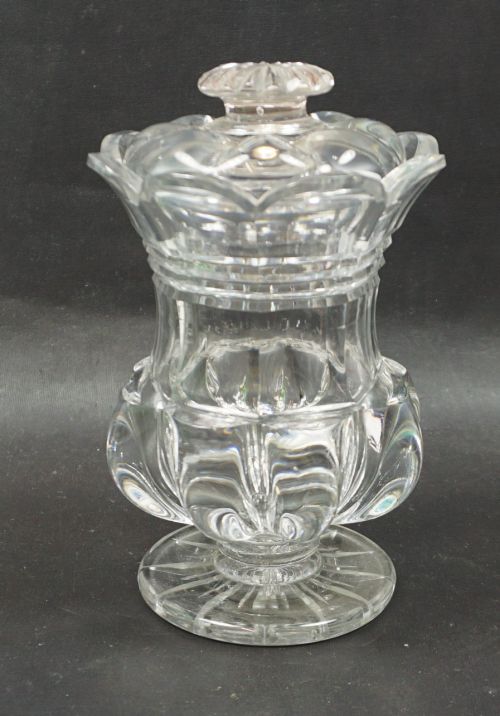
An antique crystal dish covers a wide range of domestic items, from heavy fruit bowls and table centrepieces to smaller trinket boxes and salt cellars. The pieces listed span periods from the eighteenth century through the Georgian, Victorian, and Edwardian eras up to Art Deco designs.
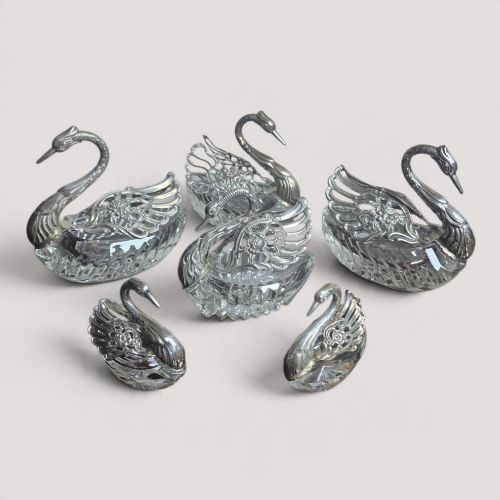
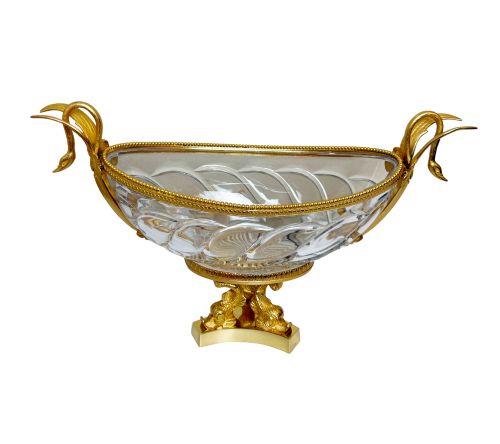
Buyers will most frequently encounter cut glass and lead crystal bowls mounted in silver, silver plate, brass, or gilt bronze. These items often serve as decorative centrepieces or functional serving dishes on dining tables.
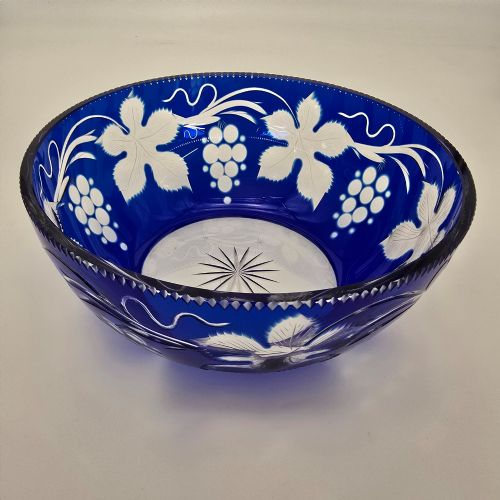
Origins vary across England, France, and Bohemia, reflecting distinct regional tastes in glass cutting, coloured overlays, and metal casting during the nineteenth and early twentieth centuries.
Materials and Techniques
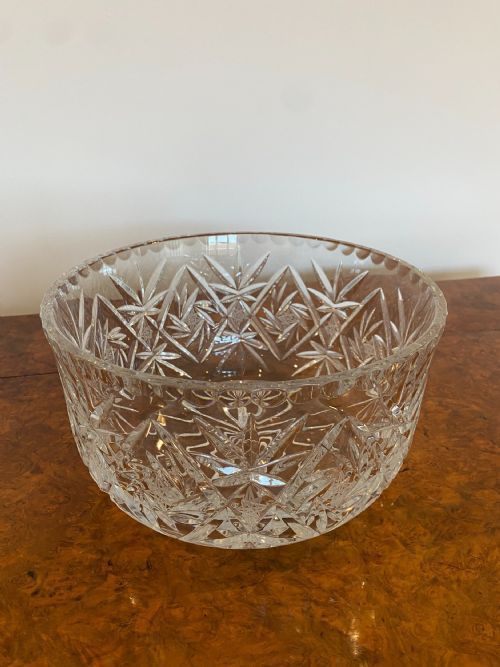
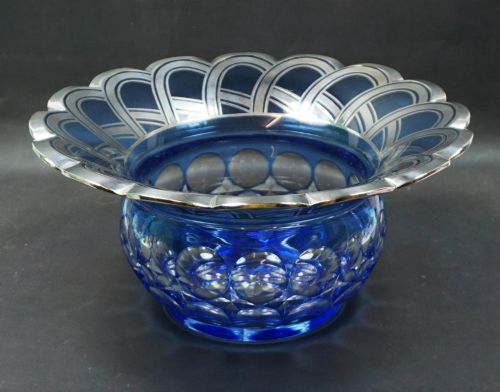
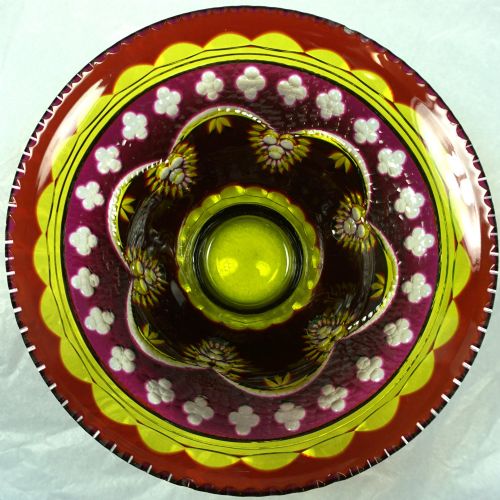
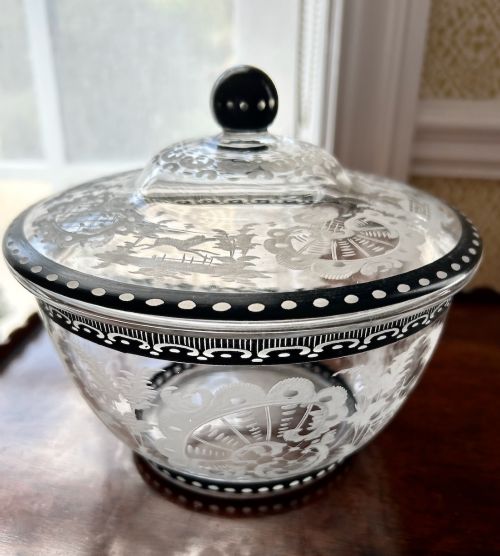
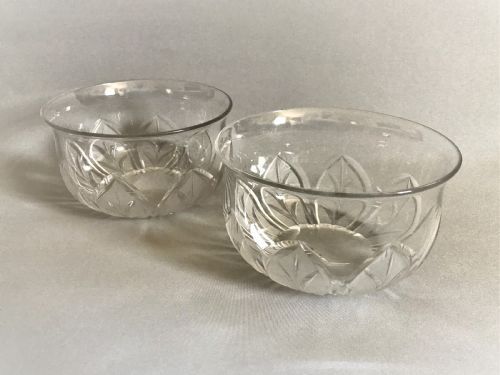
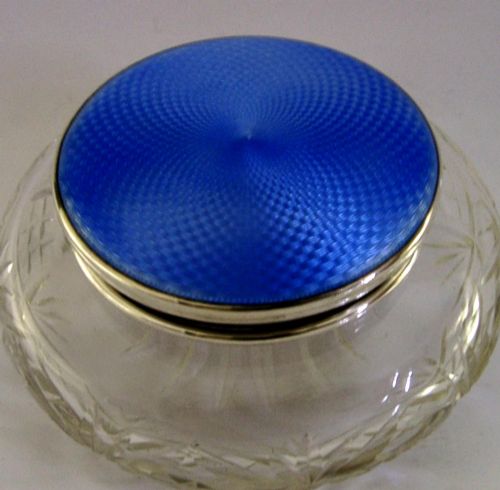
The body of an antique crystal dish relies on lead crystal or cut glass, shaped by blowing or moulding before wheel-cutting geometric patterns, flutes, and panels into the surface. Glassworks applied red canes, enamel, or coloured glass overlays to achieve striking visual contrasts.
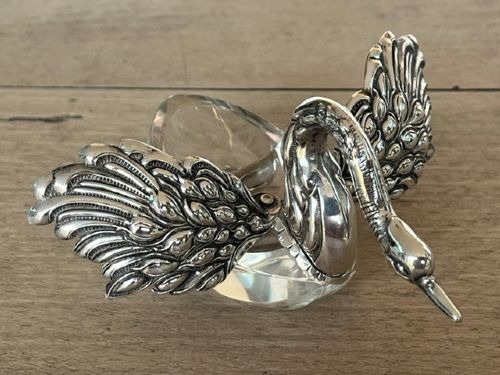
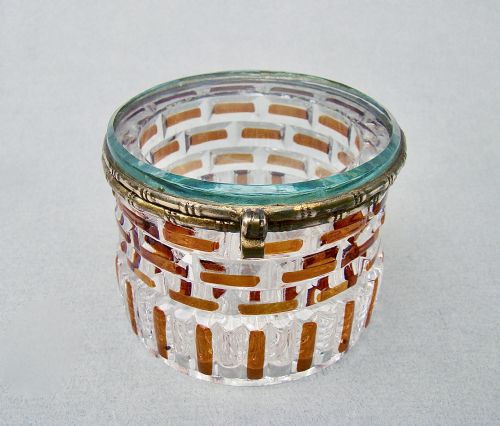
Metal mounts in silver, sterling silver, silver plate, brass, gilt bronze, and ormolu provide structural support and decorative rims, handles, or cherub details. These metal components are secured to the glass vessels using threaded rods, pins, or secure collars.
Antique Crystal Dish Retail Price Guide 2026
Typical asking prices for crystal dish among the pieces listed under this phrase on Sellingantiques today, from the lower quarter to the upper quarter. They describe what is for sale here now, not the wider market.
Distinctions in Execution
The weight and clarity of the lead crystal establish the baseline quality, where deeper, crisper wheel-cut facets reflect light more sharply than shallow, soft press-moulded impressions. Superior pieces exhibit hand-polished surfaces that retain precise geometric edges without waviness in the glass.
The integration of metal mounts dictates the tier of the object, distinguishing standard silver-plated fittings from heavy cast gilt bronze, ormolu, or sterling silver elements designed by known makers. Precise fitting between the glass vessel and its metal collar separates standard commercial production from workshop pieces.
Baccarat·Tiffany and Co·WMF·Rene Lalique·Val St Lambert·St Louis glassworks
The Antique Crystal Dish Glossary
- Lead crystal
- Glass containing lead oxide, which increases density, weight, and light refraction. This material allows for deep, sharp wheel-cutting.
- Centrepiece
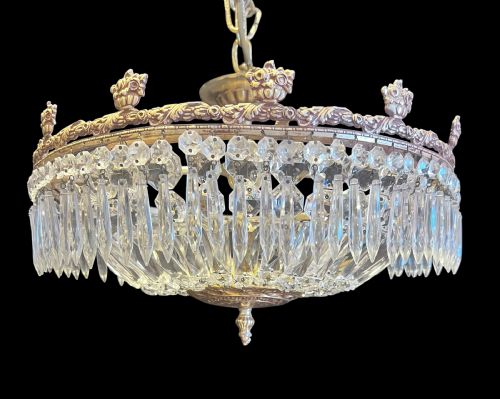
- A large decorative bowl, tazza, or plateau placed in the middle of a table. These items often incorporate gilt bronze or brass stands.
- Tazza
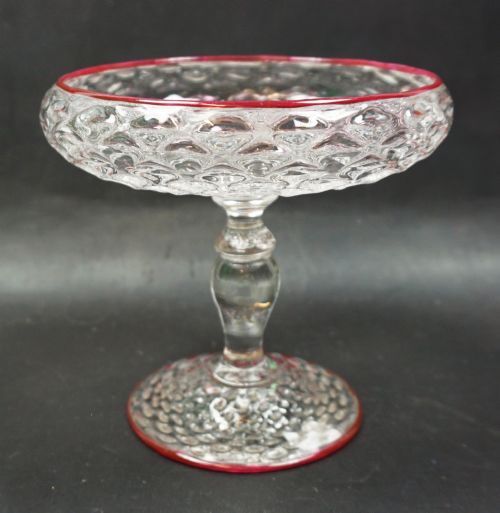
- A shallow ornamental bowl or dish raised on a stem and foot. They appear in cut glass and coloured crystal across the Victorian and Georgian periods.
- Ormolu
- Gilded bronze used for mounts and decorative frames on nineteenth-century dishes. It provides a rich gold-coloured finish that complements clear glass.
- Overlay
- A layer of coloured glass fused over a clear crystal body before cutting. The cutter removes sections of the outer colour to reveal the clear glass beneath.
Antique Crystal Dish: Frequently Asked Questions
Were these dishes used daily?
Many items functioned as practical tableware, holding butter, fruit, salt, or biscuits during formal meals. Smaller trinket boxes and patch stands served personal grooming and dressing table needs.
Heavily mounted centrepieces remained primarily decorative objects for dining tables and sideboards during the Victorian and Edwardian periods.
How do I date an antique crystal dish?
Examine the cutting style, glass tint, and any accompanying metal mounts for period characteristics. Georgian and early Victorian pieces often feature hand-cut facets and pontil marks on the base, while later Edwardian and Art Deco items show machine-moulded uniformity or distinct enamel work.
Maker marks, factory stamps, and hallmarks on silver or bronze mounts provide definitive manufacturing dates.
What is the difference between glass and crystal?
Crystal contains a proportion of lead oxide, which gives the material a heavier feel and greater brilliance when cut. Standard glass lacks this lead content, resulting in a lighter weight and softer light refraction.
In antique pieces, lead crystal allows for sharper, deeper wheel-cut facets that define higher-quality tableware.