

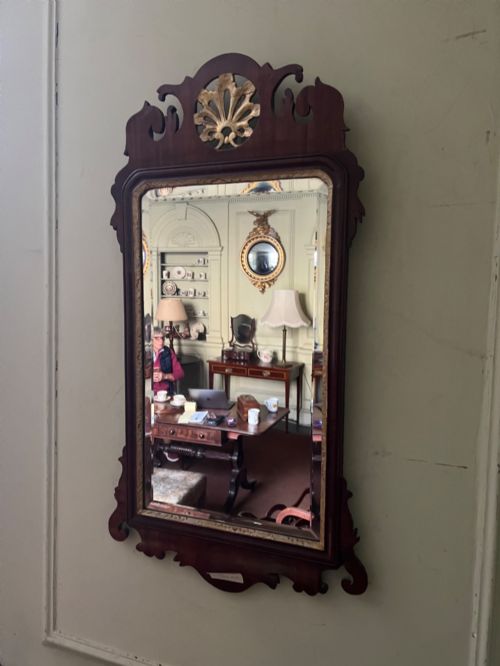
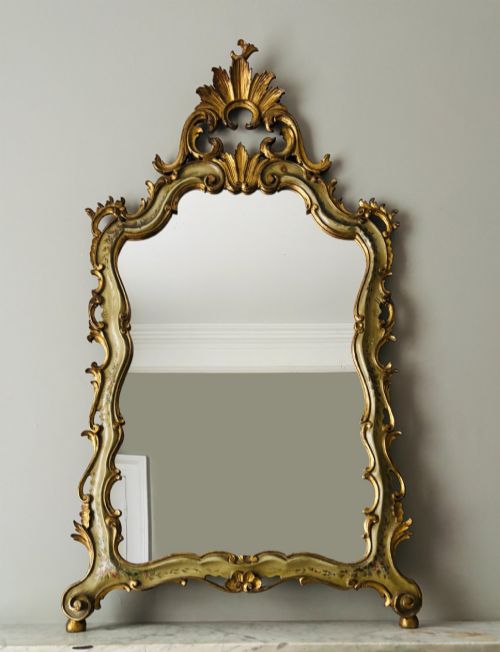
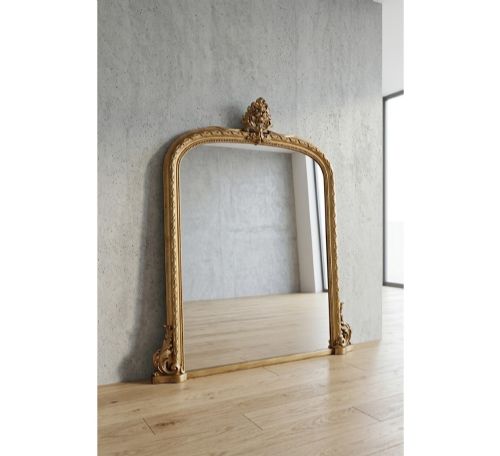
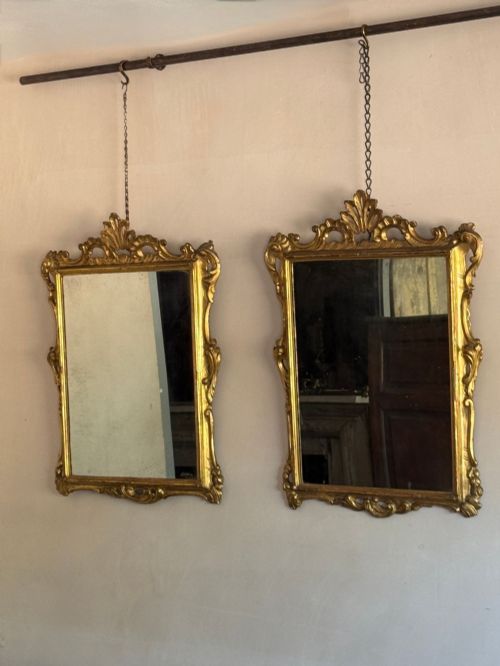

Antique Crested Frame
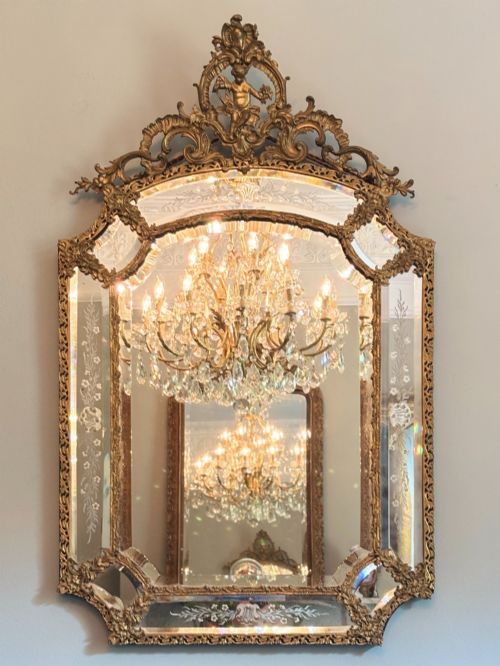
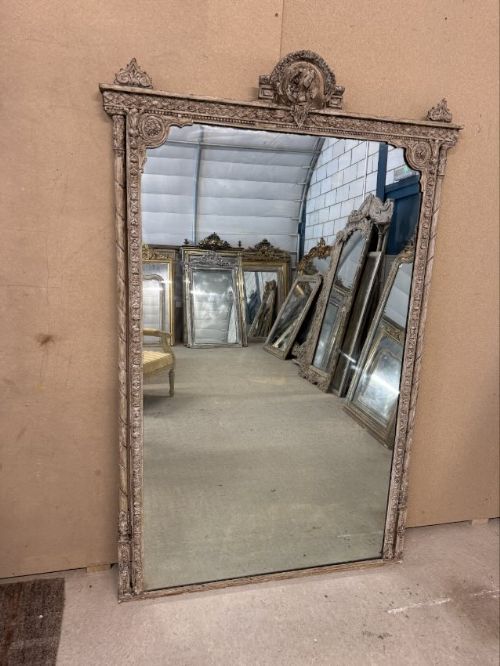
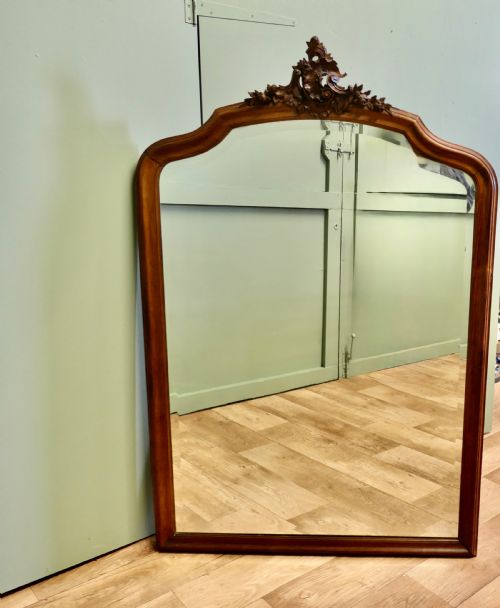
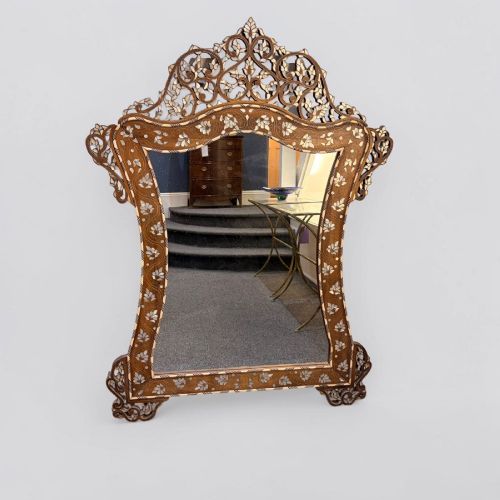
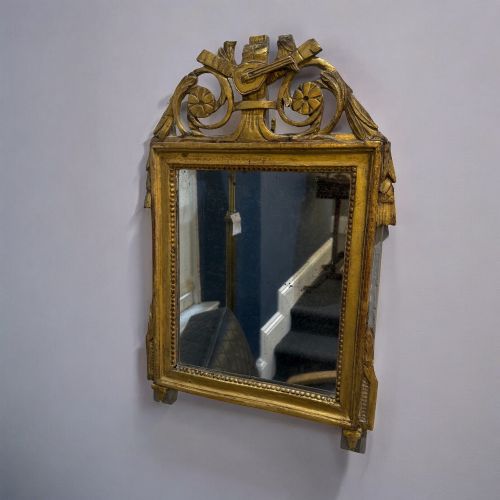
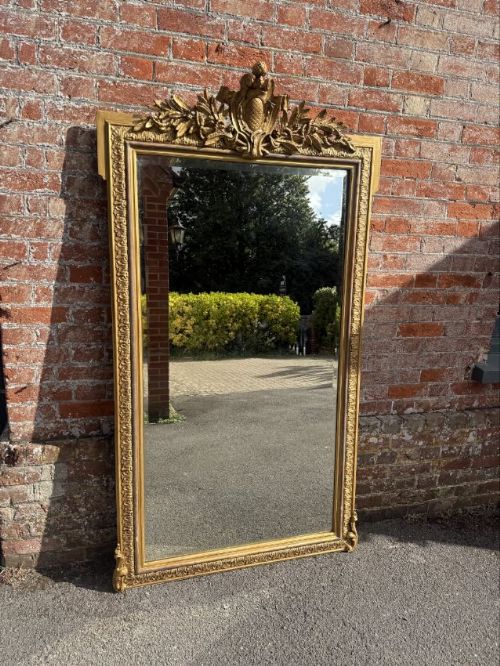
An antique crested frame brings architectural presence and carved detail to a room, most often seen in nineteenth-century giltwood wall mirrors.
Antique Crested Frame
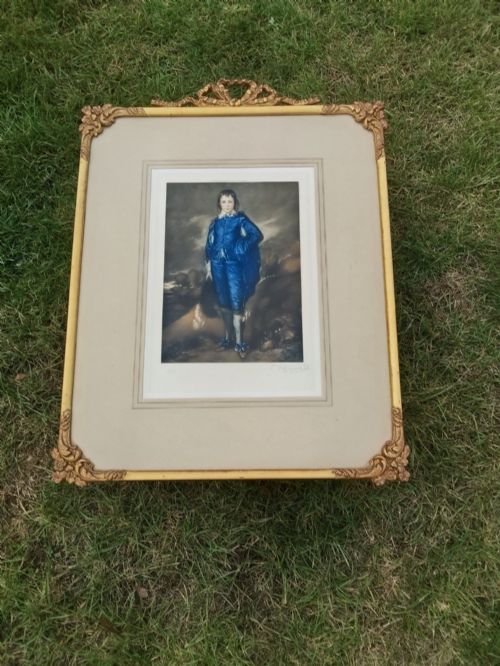
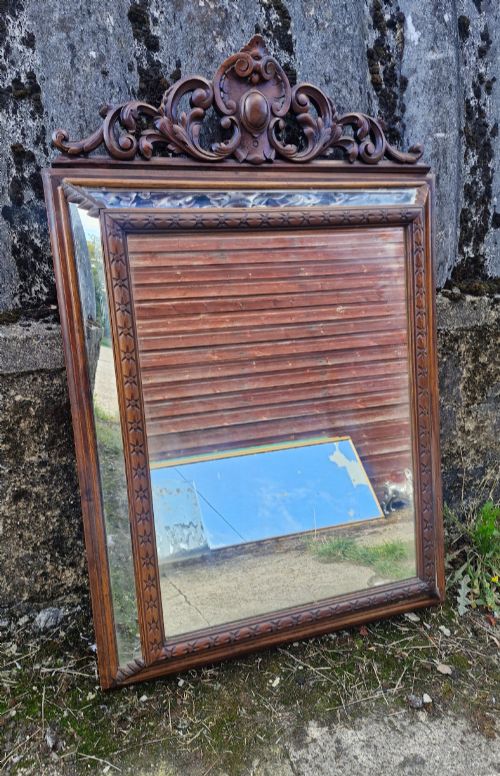
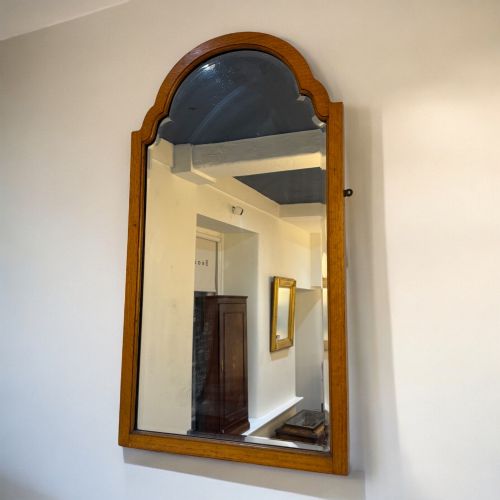
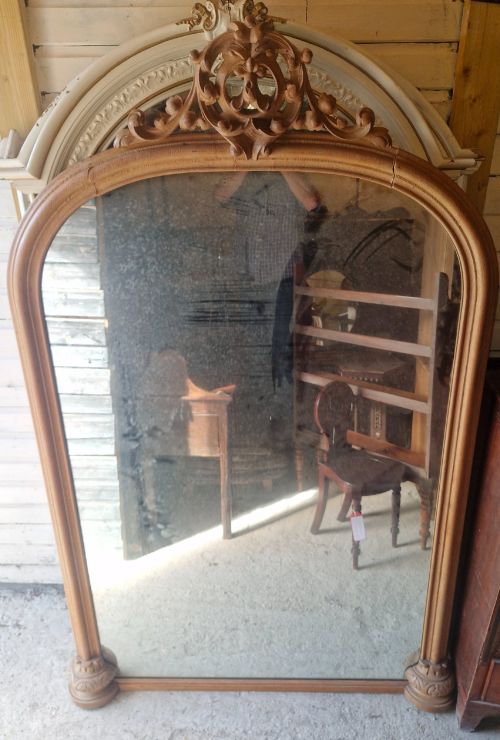
When you search for an antique crested frame, you encounter large wall mirrors, overmantel mirrors, and heraldic plaques designed to draw the eye upward. The most common forms on this page are nineteenth-century French and English wall mirrors featuring elaborate crests, ribbons, or coats of arms.
These pieces range from oak-framed mirrors of the late nineteenth century to grand giltwood and gesso overmantel designs from the eighteen-seventies and eighteen-eighties. Styles vary from French Louis XVI and Rococo revival to Regency and Victorian interpretations.
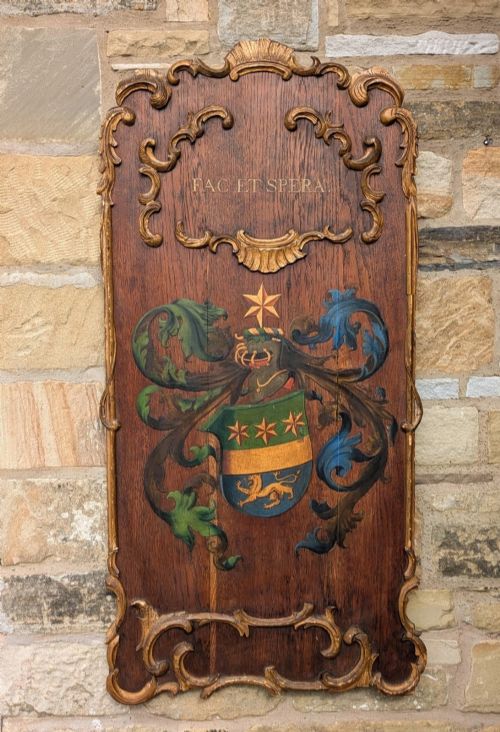
Beyond mirrors, the category includes hand-painted wooden coats of arms and heraldic marriage plaques from Dutch and Welsh origins. Each version shares a prominent upper decoration that defines the silhouette against the wall.
How they were made
Makers shaped these frames from woods such as oak, mahogany, and satinwood, applying carved wood and gesso to build up high-relief ornament. Artisans then finished the surfaces with gold leaf, silver-gilt, or polychrome paint.
Mirrors utilise heavy glass, frequently bevelled at the edges, secured behind frames that combine structural timber with intricate plaster moulding. Gilding techniques involve applying thin metal leaf over prepared gesso grounds to achieve a reflective metallic sheen.
Antique Crested Frame Retail Price Guide 2026
Typical asking prices for crested frame among the pieces listed under this phrase on Sellingantiques today, from the lower quarter to the upper quarter. They describe what is for sale here now, not the wider market.
Listings feature eighteenth-century Georgian mirrors alongside nineteenth-century French and English overmantels, oak frames, and painted heraldic panels.
What varies in quality
The distinction between tiers rests upon the crispness of the hand-carved detail within the crest and the depth of the gilding. Finely articulated floral motifs, ribbons, and cherubs display a sculptural confidence absent in simpler pressed-composition mouldings.
The integration of the frame joints and the clarity of the original mirror glass or hand-painted heraldic panel dictate the integrity of the piece. Superior examples maintain balanced proportions where the weight of the crest harmonises with the main glass or plaque.
Arsène Rochette of Versailles·Nanninga Uitterdyke
The Antique Crested Frame Glossary
- Giltwood
- Timber coated with gold leaf or metal leaf over a prepared surface. It provides the bright reflective finish seen on nineteenth-century French and English frames.
- Gesso
- A plaster mixture applied to wood frames to create a smooth base for carving or gilding. It allows for intricate moulded details around the mirror edge.
- Overmantel mirror
- A large mirror specifically designed to hang above a fireplace mantel. These pieces often feature wide proportions and substantial crested tops.
- Coat of arms
- A heraldic design displayed on panels or plaques to represent a family lineage. Hand-painted examples often record specific marriages or family histories.
- Water gilding
- A traditional technique using liquid size to adhere gold leaf to a gesso surface. This method permits the gold to be burnished to a high polish.
Antique Crested Frame: Frequently Asked Questions
How do I date an antique crested frame?
Dating relies on observing the timber species, the style of the carved crest, and the construction methods used on the reverse. Nineteenth-century pieces frequently employ hand-carved gesso over pine or oak substrates.
Specific design motifs also offer clues, such as the ribbon crests of the Belle Époque era or the strict symmetry found in Louis XVI revival work.
Where should I hang an overmantel mirror?
These mirrors were originally proportioned to sit directly above a fireplace mantel to reflect light and fill vertical wall space. Their substantial weight requires secure fixing directly into wall studs or masonry.
They also function effectively on main reception room walls as standalone focal points, paired with low furniture to balance the height.
What is the difference between giltwood and gesso?
Giltwood refers to the actual wood base covered in gold leaf, whereas gesso is the plaster layer applied underneath to build up relief details. Many antique frames combine both, using carved wood for structure and gesso for intricate ornamentation.
Understanding this distinction helps identify whether decorative motifs were carved directly from the timber or moulded in plaster.
How do I care for antique glass and frames?
Cleaning requires a soft, dry cloth for the carved frame to avoid disturbing the delicate gold leaf or gesso surface. Glass cleaner should be applied sparingly to a cloth rather than sprayed directly onto the mirror to prevent seepage behind the bevelled edges.
Avoiding direct sunlight and stable room humidity protects the underlying wood and prevents the gesso from drying out or cracking.