



Antique Crest Decor
Antique crest decor brings heraldic authority and carved heritage into a room, offering tangible pieces of family and civic history.
Antique Crest Decor
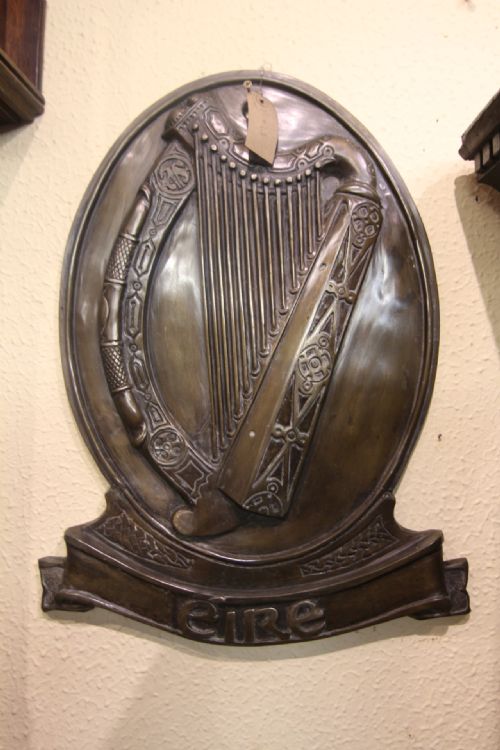
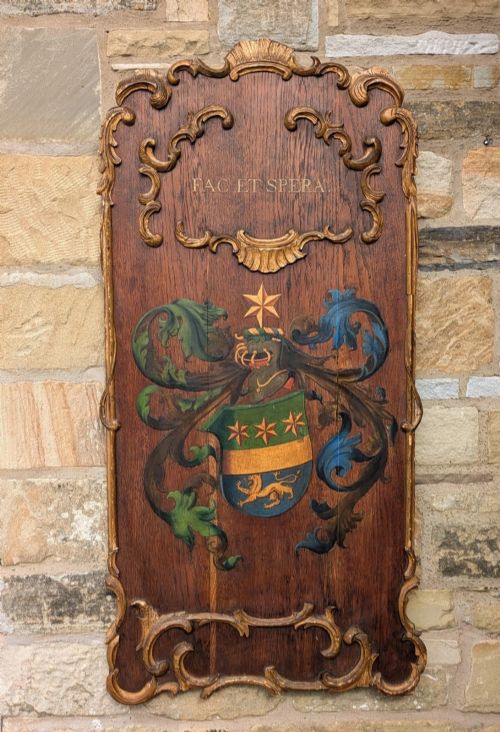
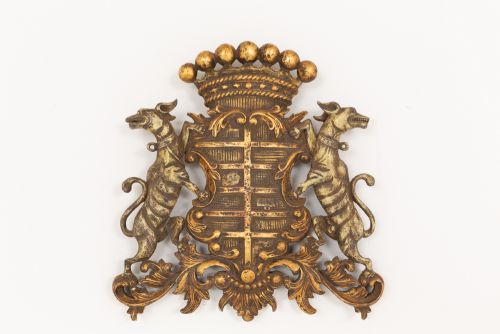
Antique crest decor encompasses armorial shields, wall plaques, carved panels, and heavy bronze or iron plaques bearing coats of arms.
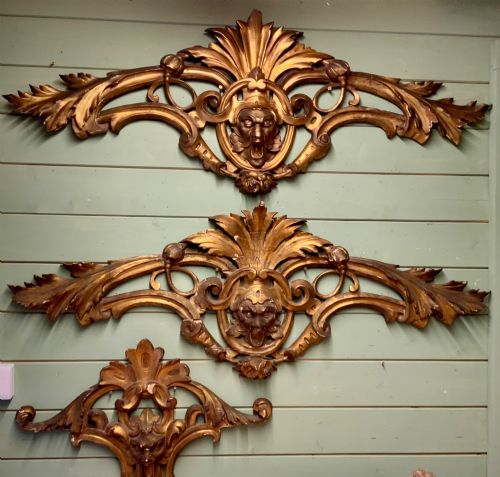
The selections available lean heavily into nineteenth-century interpretations, alongside eighteenth-century French carvings and early twentieth-century heraldic shields.
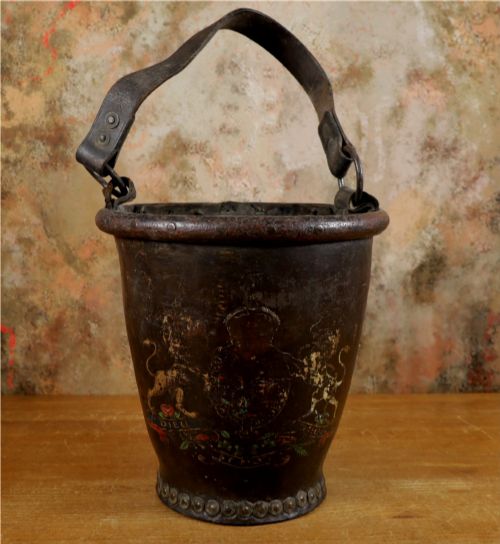
Buyers will encounter diverse formats ranging from leather fire buckets and brass plates to architectural fragments and glazed pottery armorial plates.
Materials and construction methods
Carved hardwoods and oak form the structural base for many armorial shields and wall panels, often enhanced with gesso, pigment, and paint.
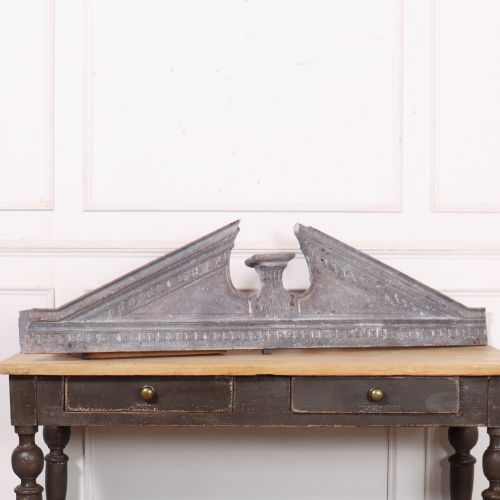
Cast metals such as iron and bronze provide robust durability for heavy armorial plaques, door stops, and overdoor pediments.
Leather work and glazed pottery also appear, showcasing hand-painted details and studded ornamentation on functional objects like fire buckets.
Antique Crest Decor Retail Price Guide 2026
Typical asking prices for crest decor among the pieces listed under this phrase on Sellingantiques today, from the lower quarter to the upper quarter. They describe what is for sale here now, not the wider market.
The listings span from the seventeenth century through to the mid-twentieth century, featuring oak, brass, bronze, and stoneware forms.
Assessing quality in heraldic pieces
Depth and crispness of the carving distinguish finer hardwood shields and French wall carvings from simpler moulded items.
The precision of hand-painted heraldic pigments and the preservation of original gilt surfaces dictate visual distinction.
Substantial weight in cast iron or bronze elements indicates robust foundational casting rather than later lightweight reproductions.
The Antique Crest Decor Glossary
- Armorial
- Relating to heraldic arms or a coat of arms. These designs visually communicate lineage, alliance, or civic identity.
- Pediment
- A triangular or decorative architectural feature placed above doors or panels. Overdoor pediments often incorporate crests to signal status.
- Gesso
- A plaster-like mixture applied to wood surfaces as a base for painting or gilding. It provides a smooth ground for detailed armorial work.
- Provenance
- The documented history or origin of an object. In heraldry, a clear provenance connects the crest to a specific family or institution.
Antique Crest Decor: Frequently Asked Questions
What is antique crest decor?
Antique crest decor consists of historical items displaying coats of arms, family crests, or heraldic symbols. These pieces range from carved wooden shields to cast iron plaques and painted panels.
Such items were originally created to mark lineage, allegiance, or institutional authority in homes and public buildings.
How were armorial plaques used?
Armorial plaques and carved panels were traditionally mounted on interior walls to project family prestige or civic pride. They often served as focal points in grand halls, over fireplaces, or above doorways.
Some items, such as leather fire buckets or brass plates, combined decorative heraldry with practical daily utility.
How do I hang heavy metal crests?
Heavy cast iron and bronze plaques require secure wall anchoring into structural studs or masonry using appropriate fixings. Because these metal pieces carry significant weight, standard picture wire is rarely sufficient.
Consulting a professional installer ensures the piece remains safely mounted without damaging the surrounding wall.
How can I date a crest plaque?
Dating relies on examining the material composition, tool marks on the wood, and the ageing of pigments or metals. Stylistic clues, such as Victorian revival motifs or Georgian proportions, also point to specific eras.
Comparing the heraldic details and construction techniques with documented examples helps narrow down the period of manufacture.