



Antique Creamware Plates
Antique creamware plates offer a clean, warm earthenware surface that defined eighteenth and nineteenth-century dining tables.
Antique Creamware Plates
Antique creamware plates cover functional forms from the eighteenth and nineteenth centuries, spanning Georgian, Regency, Victorian, and Edwardian periods. Collectors searching for antique creamware plates encounter varied serving pieces, dinnerware, and specialised items like dairy plates or alphabet plates.
The selections appearing here most often date from the eighteenth century, including armorial dinner plates, pudding bowls, and soup bowls. Makers and potteries from Liverpool and Leeds sit alongside sets produced in the nineteenth century.
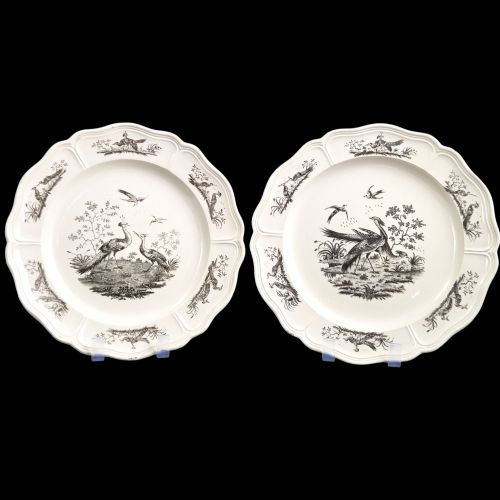
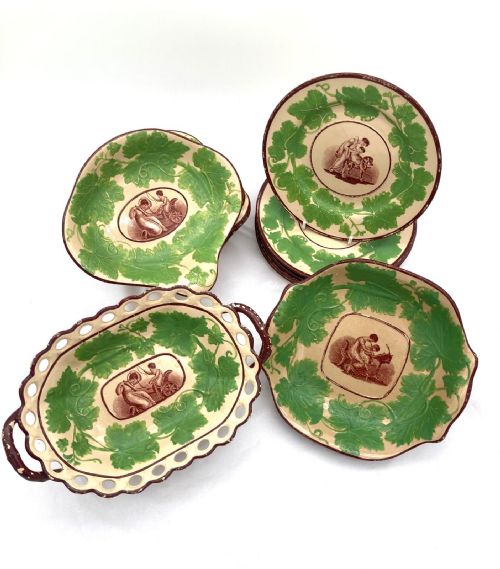
These ceramic pieces range from plain utilitarian wares to decorated botanical services, armorial bearings, and printed sailing ships. Dessert services and nursery plates also form part of the varied ceramic output found within these periods.
How they were made
Potters shaped these objects using earthenware clay, applying a distinctive ceramic glaze to achieve the warm, pale tone characteristic of creamware. Firing techniques evolved across the eighteenth and nineteenth centuries to refine the body and the glaze.
Enamel colours and transfer printing techniques added detail to the surfaces, seen on botanical services, armorial crests, and historical subjects. Some items incorporated secondary materials like oak and silver plate, particularly in composite forms such as ice buckets with ceramic creamware liners.
Antique Creamware Plates Retail Price Guide 2026
Typical asking prices for creamware plates among the pieces listed under this phrase on Sellingantiques today, from the lower quarter to the upper quarter. They describe what is for sale here now, not the wider market.
Early nursery alphabet plates ensured eighteenth-century children practiced their letters between bites of porridge.
What varies in quality
The distinction between ordinary and superior pieces rests on the complexity of the decoration and the historical importance of the service. Armorial crests, hand-painted botanical studies, and specialised printing elevate the status of individual items above plain utility wares.
Uniformity of the glaze and the crispness of moulded or printed details separate standard production items from workshop outputs attributed to notable potteries like Wedgwood, Leeds, or Herculaneum.
Wedgwood·Liverpool Herculaneum·Leeds Creamware Pottery
The Antique Creamware Plates Glossary
- Creamware
- A refined earthenware developed in the eighteenth century, featuring a pale yellow or cream-coloured glaze over a light-coloured clay body. It superseded heavier salt-glazed stonewares for table use.
- Earthenware
- Porous pottery fired at lower temperatures than stoneware or porcelain, requiring a vitreous glaze to render it waterproof. Most creamware falls into this broader ceramic category.
- Armorial
- Bearing a coat of arms or heraldic insignia. Armorial creamware plates were custom-ordered by landed families to display lineage on the dining table.
- Transfer printing
- A decoration technique where an engraved metal plate transfers a design onto paper, which is then pressed onto the ceramic surface before glazing and firing. This method allowed intricate scenes, such as sailing ships, to be replicated efficiently.
- Neoclassical
- A style dominating late eighteenth-century design, drawing inspiration from classical antiquity with symmetrical forms and restrained ornament. It heavily influenced Georgian creamware shapes and borders.
Antique Creamware Plates: Frequently Asked Questions
What periods do these plates cover?
The available pieces span primarily the eighteenth and nineteenth centuries, incorporating Georgian, Regency, Victorian, and Edwardian eras. Evidence shows production dates ranging from the mid-eighteenth century through to nineteen hundred.
Earlier examples often link to prominent potteries such as Wedgwood or Leeds, while later nineteenth-century items include transfer-printed dessert services and dairy plates.
How do I identify armorial creamware?
Armorial pieces feature hand-painted or printed coats of arms belonging to specific families, usually positioned centrally or on the rim of dinner plates and bowls. These commissioned sets date predominantly from the eighteenth century.
The presence of heraldic bearings distinguishes them from standard botanical, nursery, or plain domestic creamware services.
What is the difference between creamware and standard earthenware?
Creamware is a specific type of refined earthenware perfected in Britain during the eighteenth century, noted for its characteristic pale cream glaze. Standard earthenware encompasses a wider, less refined category of pottery.
The development of creamware provided a lighter, more elegant alternative to traditional heavier ceramics while remaining practical for daily dining.
How were specialty creamware items used?
Specialised items served specific domestic functions beyond standard dinner services, including dairy plates for milk setting, pudding bowls, and soup bowls. Nursery alphabet plates aided children with reading during meals.
Other functional objects combined the ceramic material with wood and metal, such as ice buckets featuring creamware liners.