

Antique Cream Ottoman
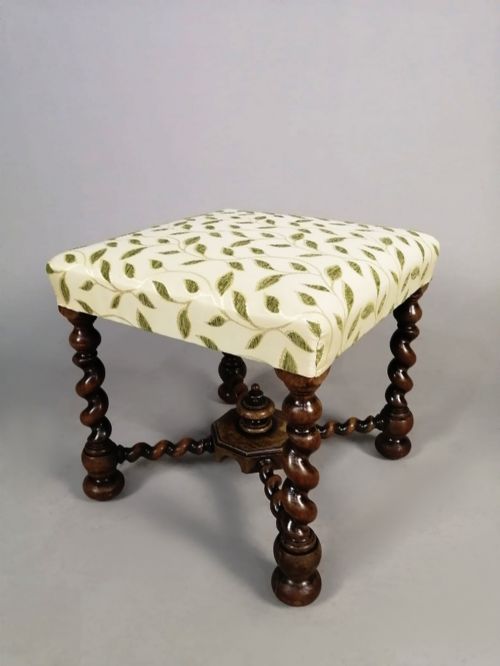
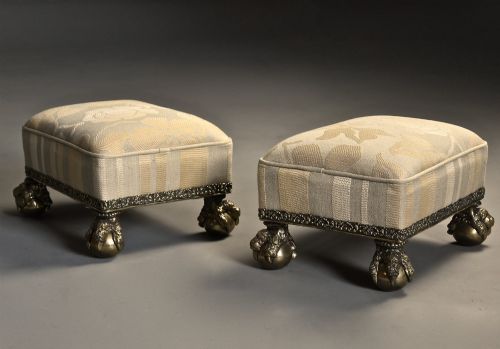
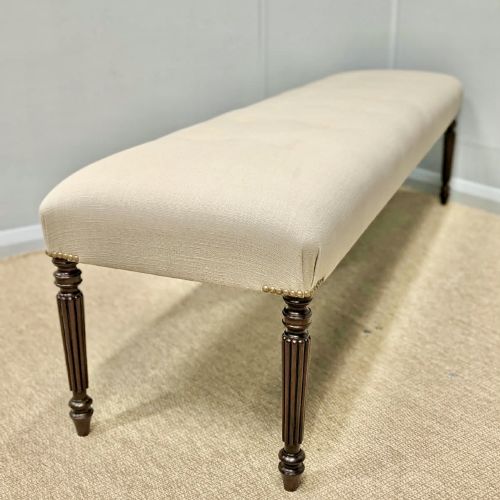
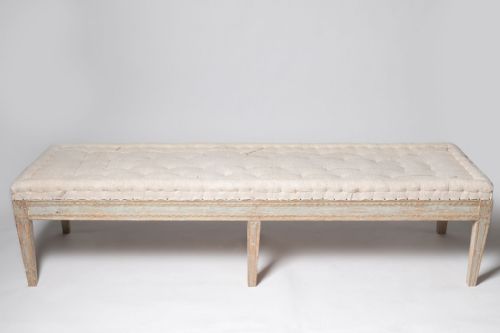
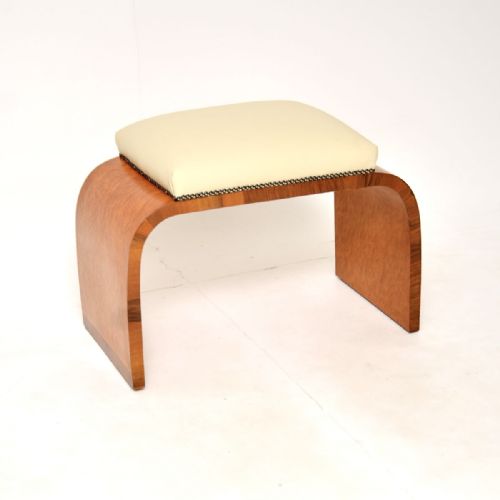
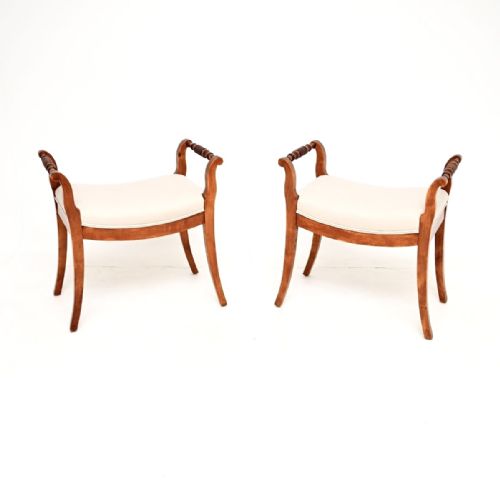
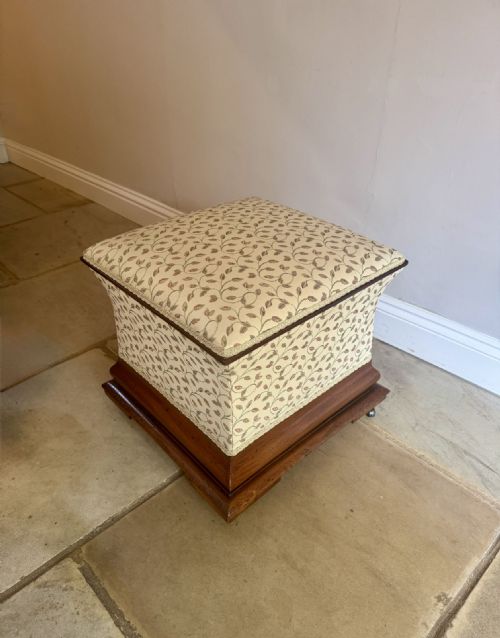
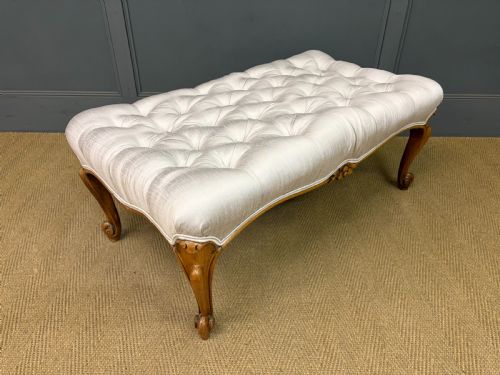
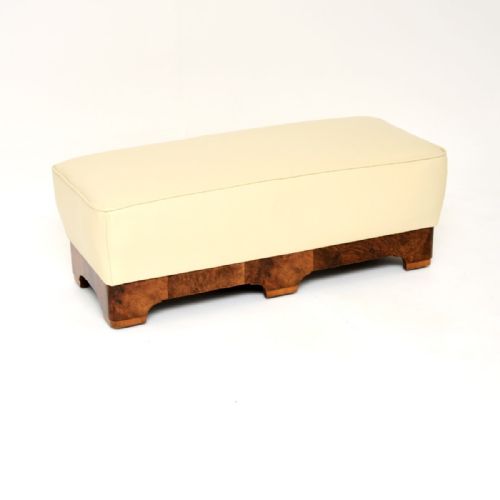
These antique cream ottoman pieces span footstools, window seats and low benches from the Victorian period through to the Art Deco years.
Antique Cream Ottoman
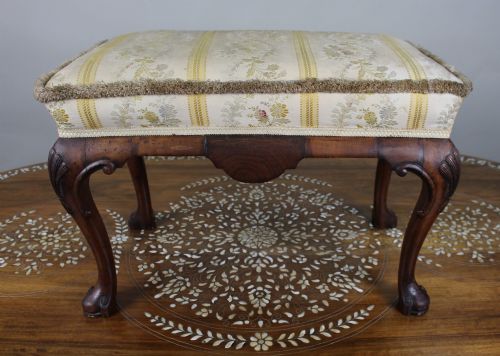
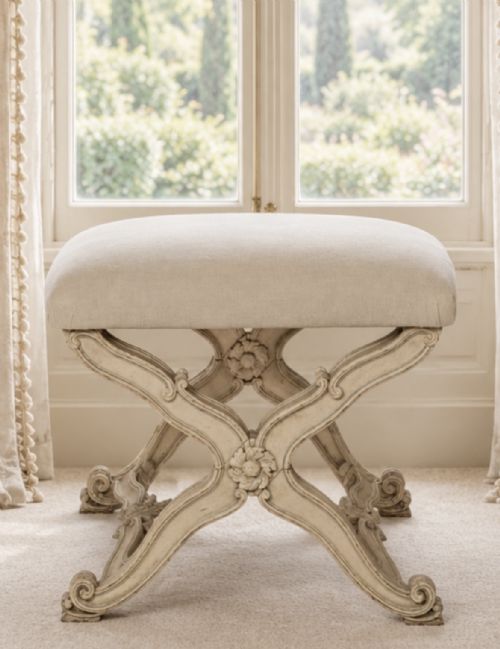
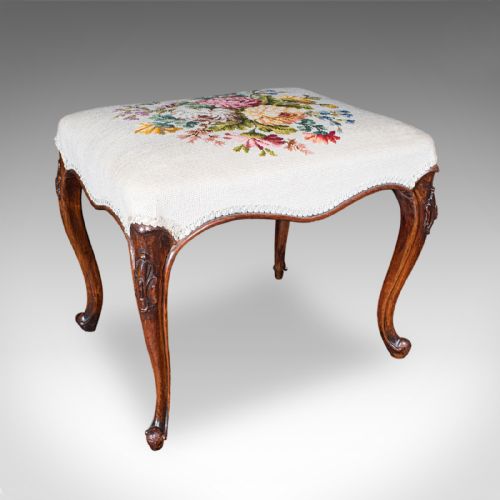
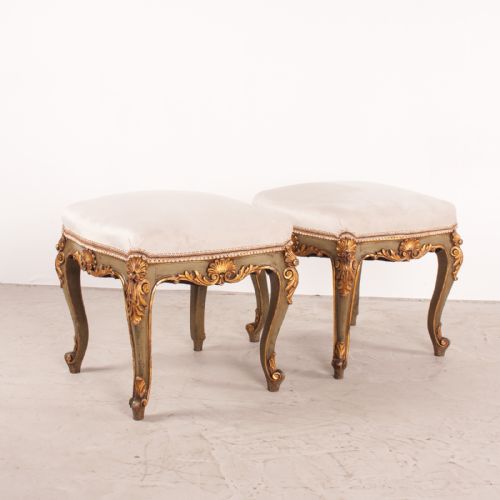
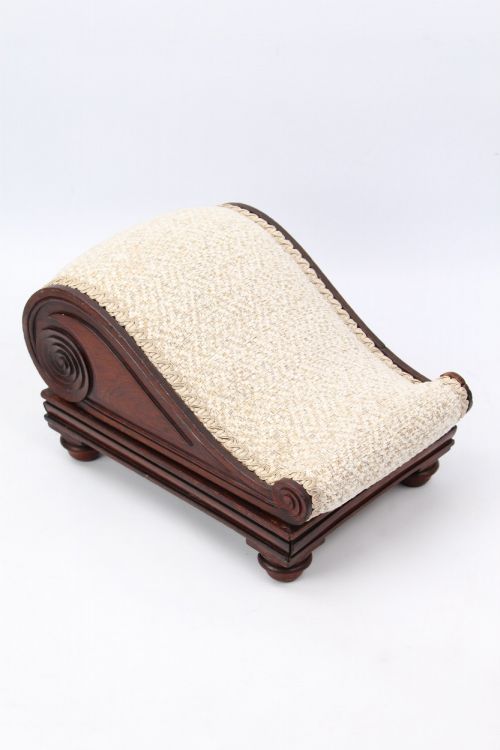
An antique cream ottoman search leads you to low seating, footstools and window seats upholstered in pale textiles, alongside textiles originating from the Ottoman Empire. You meet numerous Victorian walnut and mahogany stools standing on cabriole legs, alongside French painted wood frames and Regency designs.
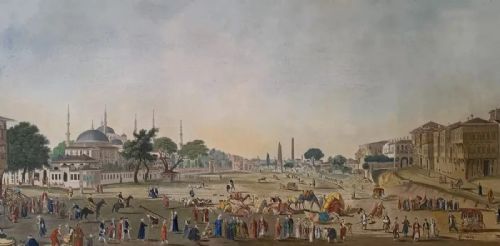
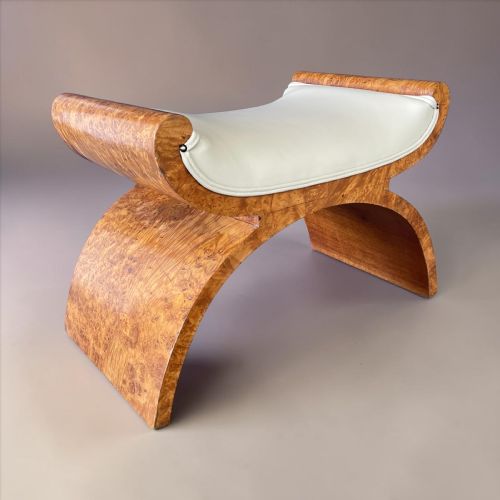
The selections include buttoned leather library window stools, Queen Anne style walnut examples and Art Deco maple pieces. Alongside these seating forms, the listings present embroidered silk scarves, village prayer rugs and panel fragments originating from historic Ottoman lands.
Materials and construction methods
Frames rely on hardwoods such as mahogany, walnut, rosewood and painted pine, shaped with carved cabriole legs, parcel gilt accents or barley sugar turnings. Joinery employs traditional framing methods designed to support heavy upholstery.
Upholstery incorporates fabric, wool, linen, leather and needlepoint work, often secured with traditional buttoning techniques. Silk tülbent scarves and embroidered panels display detailed threadwork executed on woven textile grounds.
Antique Cream Ottoman Retail Price Guide 2026
Typical asking prices for cream ottoman among the pieces listed under this phrase on Sellingantiques today, from the lower quarter to the upper quarter. They describe what is for sale here now, not the wider market.
The listings combine nineteenth-century European seating frames with eighteenth and nineteenth-century Ottoman Empire embroideries and prayer rugs.
Factors determining quality
Quality rests upon the crispness of the timber carving, the integrity of the frame construction and the fidelity of period styling. Pieces bearing documented workshop attributions or maker signatures command distinct interest.
Textile quality is judged by the fineness of the needlework, the preservation of the fabric and the complexity of the original embroidery design rather than general decorative appeal.
Harry and Lou Epstein·Miles and Edwards·Howard and Sons
The Antique Cream Ottoman Glossary
- Cabriole leg
- A furniture leg featuring a double curve, bulging outward at the knee and tapering inward toward the foot. This form appears frequently on Victorian and Regency seating frames.
- Needlepoint
- A type of canvas work embroidery executed with yarn using counted stitches. It supplies durable decorative coverings for many Victorian footstools.
- Ottoman
- A low upholstered seat or bench without a back or arms. The term also denotes historic textile arts produced within the Ottoman Empire.
- Parcel gilt
- Woodwork decorated with thin applications of gold leaf on specific carved details while the remaining surface shows polished wood or paint. It highlights structural ornaments on grander seats.
- Tülbent
- A lightweight silk scarf or textile featuring gold embroidery. These pieces originate from historic Ottoman traditions.
Antique Cream Ottoman: Frequently Asked Questions
What is an antique cream ottoman?
An antique cream ottoman encompasses low upholstered footstools, window seats and benches finished in pale or neutral fabric tones, alongside embroidered textiles from the Ottoman period.
These items function primarily as footrests, secondary seating or decorative interior accents rather than large storage chests.
How do I date a Victorian footstool?
Dating relies on timber choice, such as rosewood or walnut, combined with leg shapes like cabriole supports or turned wooden legs. Upholstery methods and decorative elements such as buttoning provide further chronological markers.
Comparing the frame style against documented nineteenth-century design patterns clarifies the period.
Where were these pieces used?
Stools and window seats occupied drawing rooms, libraries and parlours in British and continental homes, providing comfort near firesides or window recesses. Ottoman textiles served personal apparel or domestic decoration.
Their scale allowed them to move easily between different living spaces as room layouts changed.
How should I care for vintage upholstery?
Preserve fragile textiles and buttoned fabric by avoiding direct sunlight and utilising gentle surface cleaning methods recommended for antique fibres. Leather benefits from periodic conditioning to prevent drying.
Protect wooden frames by maintaining stable indoor humidity levels.