
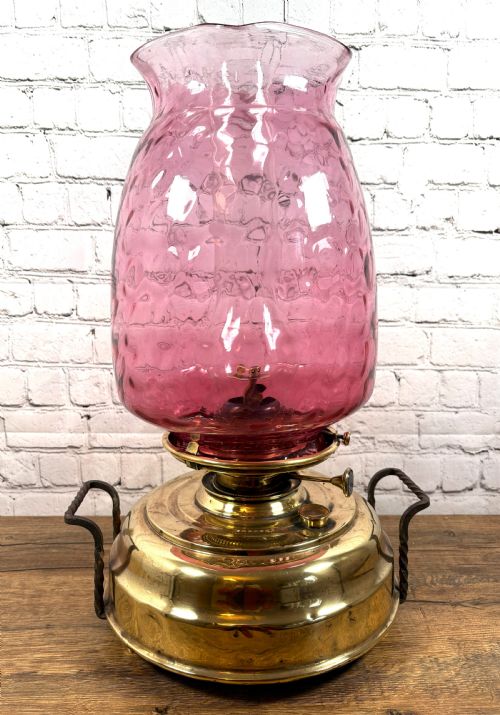


Antique Cranberry Glass Lighting
Antique cranberry glass lighting brings a warm, rich glow to any interior through deeply hued Victorian and Edwardian fittings.
Antique Cranberry Glass Lighting
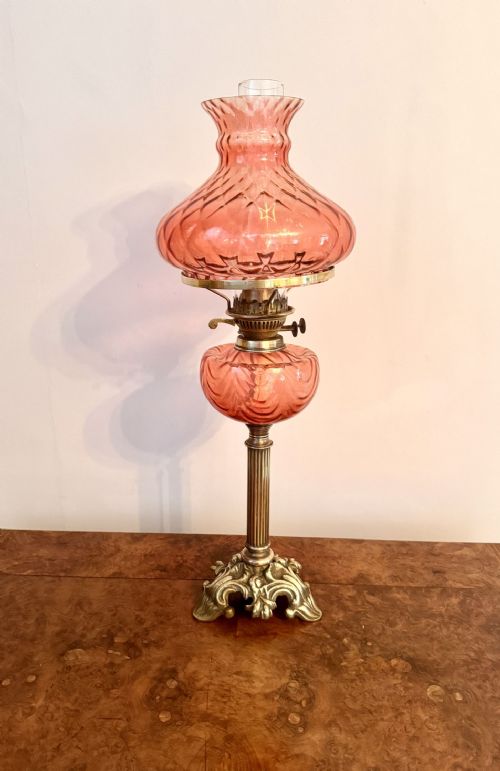
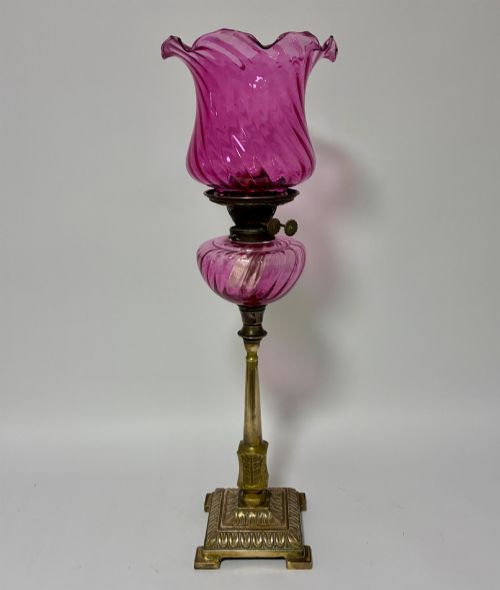
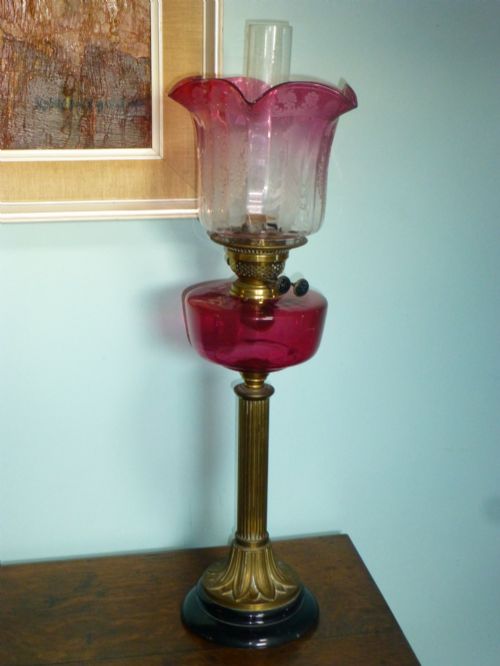
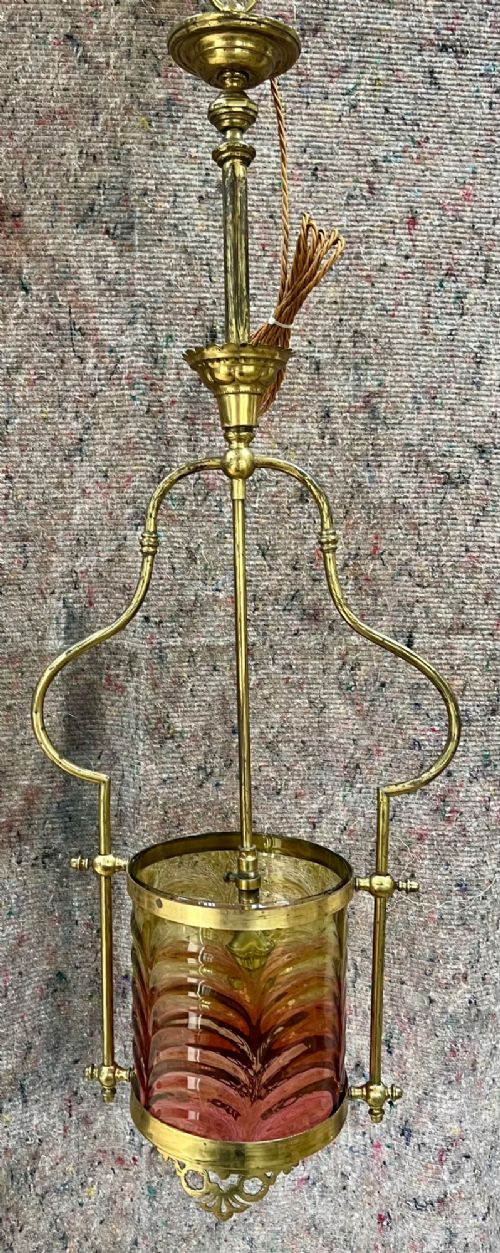
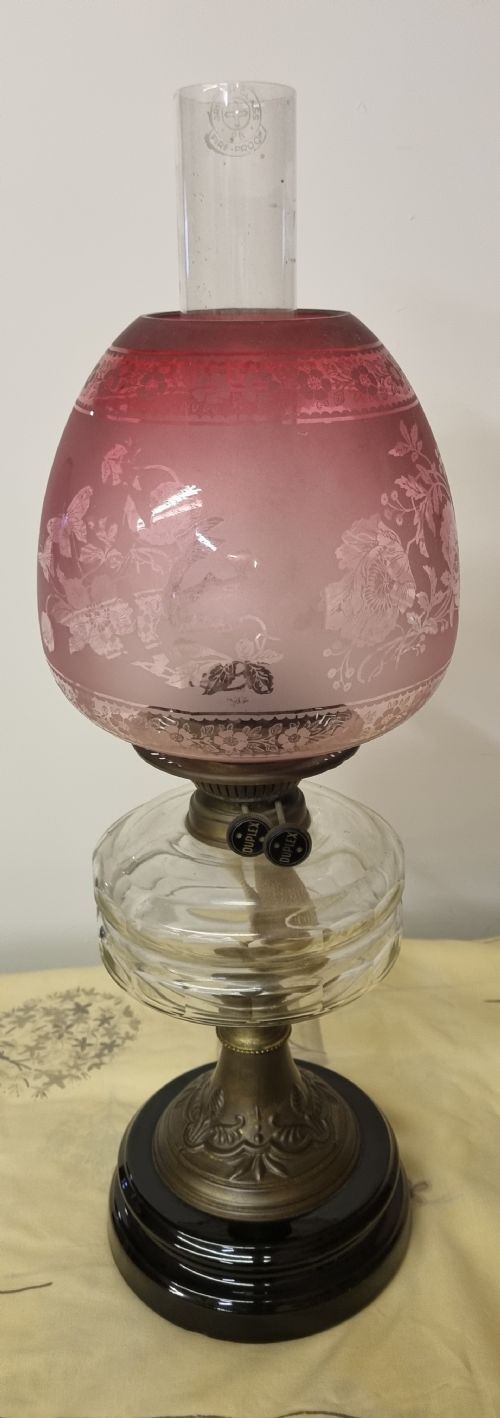
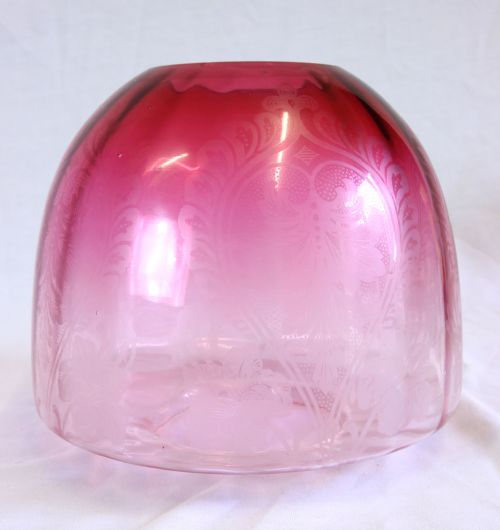
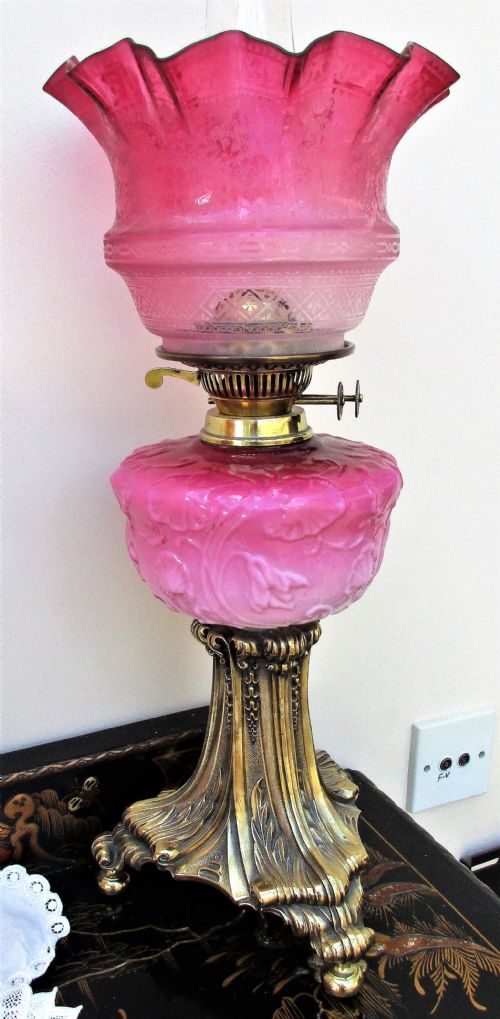
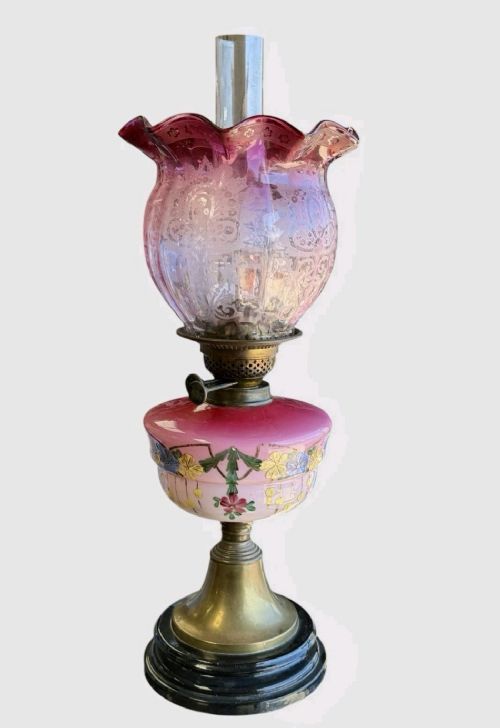
When you search for antique cranberry glass lighting, you encounter a specialised selection of interior illumination dominated by nineteenth-century and early twentieth-century pieces. The most common forms on this page include oil lamps, hanging ceiling lights, table lamps, and replacement lamp shades fashioned in deep pink and ruby tones.
The objects span periods from the mid-Victorian era through to the Edwardian period, alongside styles such as Art Nouveau, Arts and Crafts, and French Rococo Revival. Oil lamps form the largest portion of these listings, often pairing a vibrant glass font or shade with a heavy metal stand.
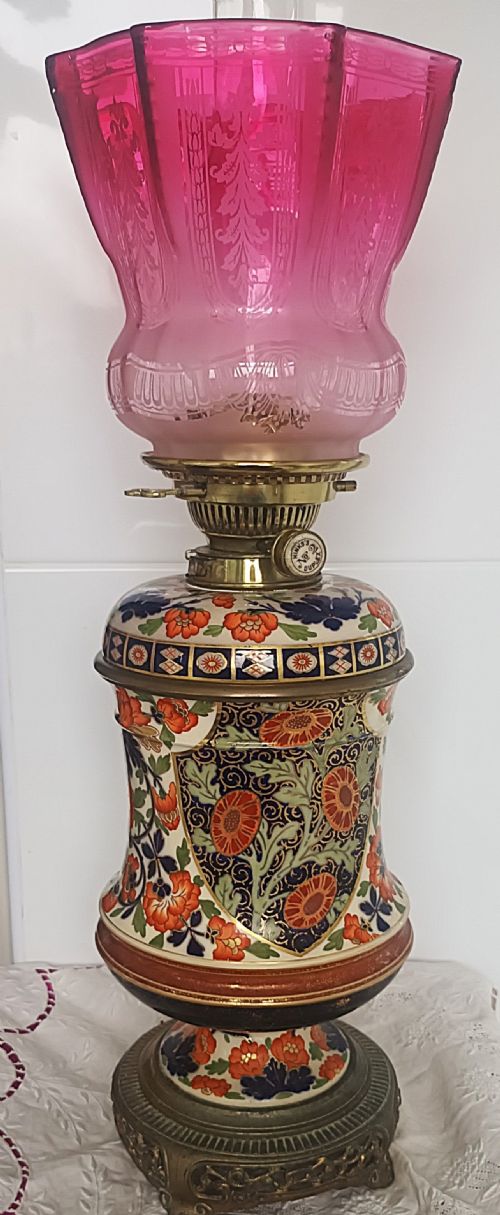
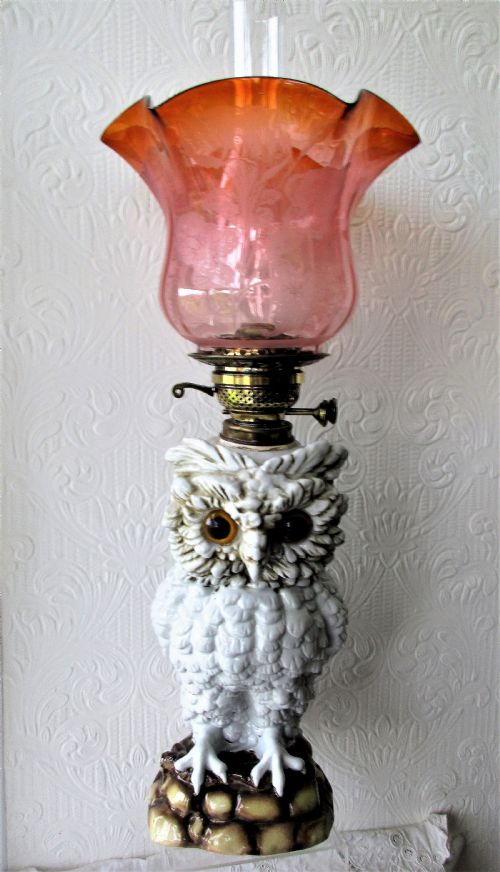
Many examples combine the characteristic pink or ruby glass with other mediums, resulting in multifaceted fixtures that served functional domestic roles in period homes. Buyers frequently find individual components such as lamp shades and chandelier stems alongside complete, standing floor and table lamps.
Materials and construction methods
The primary material combination unites blown or moulded cranberry glass with polished brass, creating sturdy structural bases and vibrant translucent optical elements. Artisans also integrated copper, silver plating, ceramic, and porcelain into the construction of lamp bodies and structural mounts.
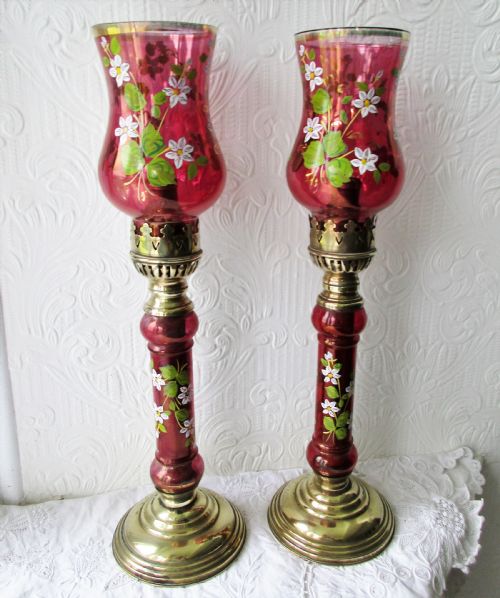
Makers utilised various glass-shaping techniques, including hand-painting, etching, cutting, and crimping, to decorate the surfaces of shades, fonts, and lustres. Molten glass achieved its distinct red or pink coloration through the addition of gold oxide during the manufacturing process, before being blown into moulds or free-blown by skilled glassmakers.
Listings feature 19th-century, Victorian, and Edwardian items, combining brass, ceramic, and various cuts of cranberry and ruby glass.
Distinctions in standard and execution
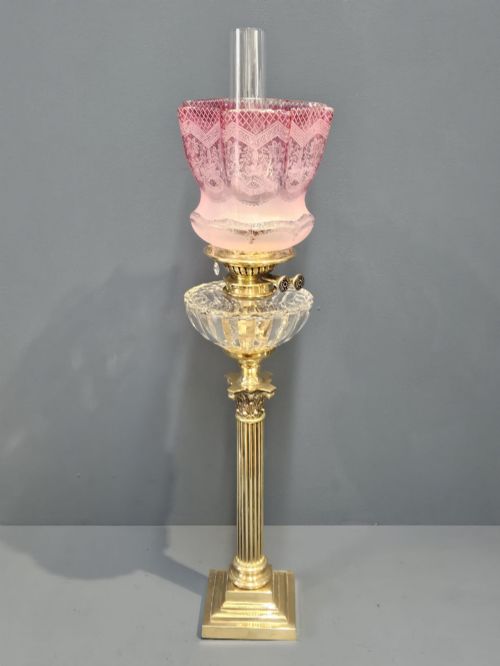
Quality in these lighting fixtures rests on the depth and evenness of the glass coloration, the crispness of any cut or etched surface decoration, and the substance of the metal mounts. Superior pieces display heavy, well-cast brass bases, intricate hand-painted enamel details, and unblemished glass components with rich saturation.
Lighter, mass-produced items or those missing original matching components sit at the lower end of the spectrum, whereas intact pairs and items featuring complex standards like Corinthian columns demonstrate superior workshop execution.
The Antique Cranberry Glass Lighting Glossary
- Cranberry glass
- A transparent pinkish-red glass created by adding gold chloride or gold powder to the molten batch. It became particularly popular for domestic tableware and decorative lighting during the Victorian period.
- Font
- The oil reservoir of a lamp, typically positioned above the base and beneath the burner. In many pieces on this page, the font is made of coloured glass to catch the light.
- Lustre
- A decorative tabletop ornament featuring a glass bowl with hanging crystal prisms, sharing the same glasshouses and aesthetic as period lighting. They often appear in matching ruby and pink colourways.
- Duplex burner
- A double-wick mechanism used on nineteenth-century oil lamps to provide a brighter illumination. These burners require specific twin-wick setups and larger galleries.
Antique Cranberry Glass Lighting: Frequently Asked Questions
How do I convert an old oil lamp?
Conversion typically involves running an electrical cord up through the existing burner assembly without altering the historic metalwork.
Many collectors prefer to keep the original burner and font intact, using the piece purely for decorative display rather than active wiring.
What is the difference between ruby and cranberry glass?
Ruby glass generally exhibits a deeper, more saturated dark red tone, whereas cranberry glass leans towards a lighter, brighter pinkish-red hue.
Both colours rely on similar metallic oxide content during glassmaking, but variations in heat and mineral proportions dictate the final shade.
Can I find replacement shades for antique lamps?
Yes, individual glass shades in crimped, etched, and plain pink configurations appear independently across these listings.
Matching a replacement shade to an existing brass base requires careful measurement of the fitter rim diameter where the glass seats into the gallery.
How should I clean antique glass shades?
Wash the glass gently in lukewarm water using a mild, non-abrasive detergent, avoiding harsh scrubbing on hand-painted or gilded surfaces.
Dry the pieces thoroughly with a soft cloth to prevent water spots on the delicate pink or ruby glass.