



Antique Couple Portraits
These antique couple portraits capture pairs in oil, pastel, watercolour, and ceramic, offering an intimate glimpse into past partnerships.
Antique Couple Portraits
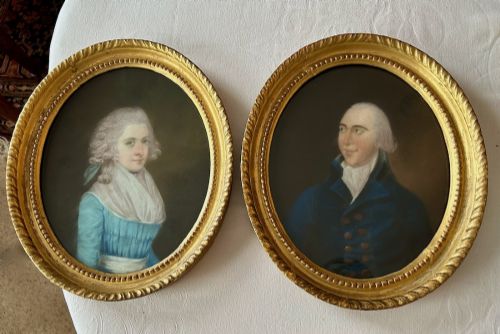
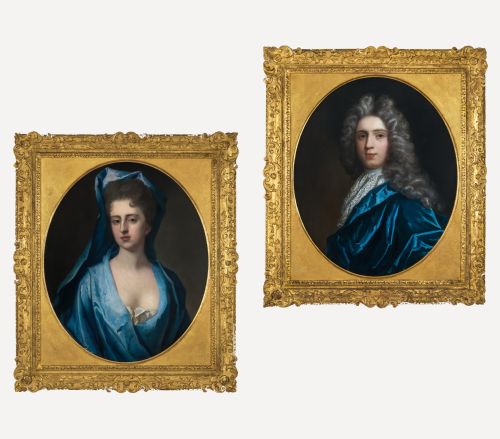
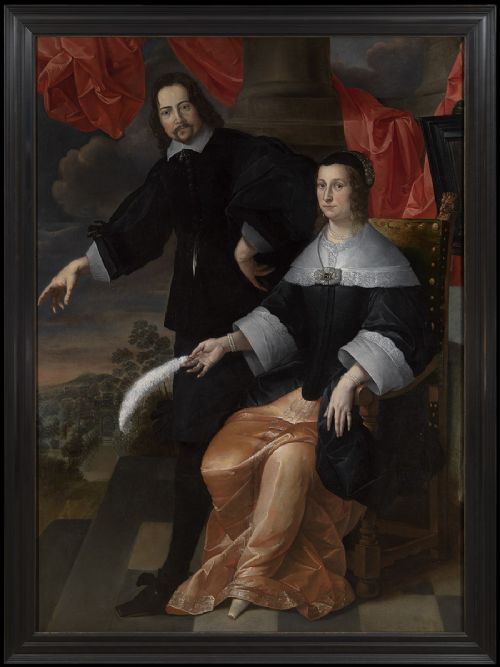
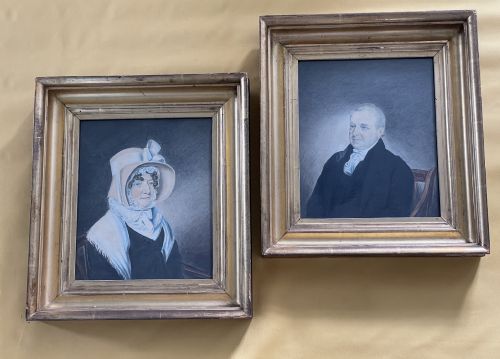
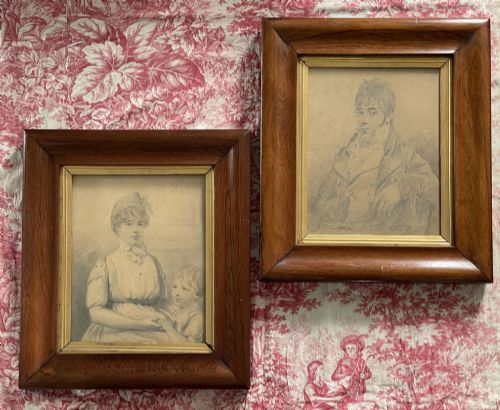
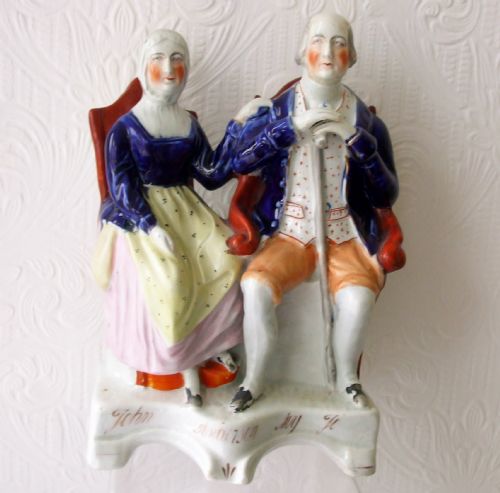
When you search for antique couple portraits, you encounter paired representations and double portraits spanning the seventeenth century to the early twentieth century. These works capture husband and wife or paired sitters through various media, including oil paintings, pastel drawings, watercolours, and Staffordshire pottery figures.
The selections on this page lean heavily towards nineteenth-century works and Georgian pieces, alongside seventeenth-century oil paintings and early twentieth-century depictions. You find both formal aristocratic portrayals and informal character studies.
Subject matter ranges from named nobility and gentry to literary figures and anonymous regional sitters. The formats shift between pendant pairs in separate frames and single canvases depicting two figures together.
How they were made
Artists painted these works using oil on canvas or board, applied watercolours and pastels onto paper, and shaped earthenware into ceramic figurines. The frames often utilise giltwood and glass to protect delicate works on paper.
Ceramic figures involve moulded earthenware finished with hand-painted glaze, while framed works rely on traditional stretcher frames and protective glazing. Pastels and watercolours require careful paper preparation to hold pigment over centuries.
Materials represented across the inventory include paper, giltwood, glass, wood, earthenware, glaze, oil on canvas, and watercolour.
What varies in quality
The condition of the medium also dictates value, particularly the preservation of oil pigment without excessive cracking, the stability of pastel on paper, and the intactness of original glaze on Staffordshire figures.
Michael Dahl·Thomas Murray·Bartholomeus van der Helst·Ferruccio Vitale·Frederick Tayler·Francis Hayman
The Antique Couple Portraits Glossary
- Pendant portraits
- Two separate paintings or drawings executed as a matching pair, usually depicting a husband and wife. They are typically framed identically to hang side by side.
- Double portrait
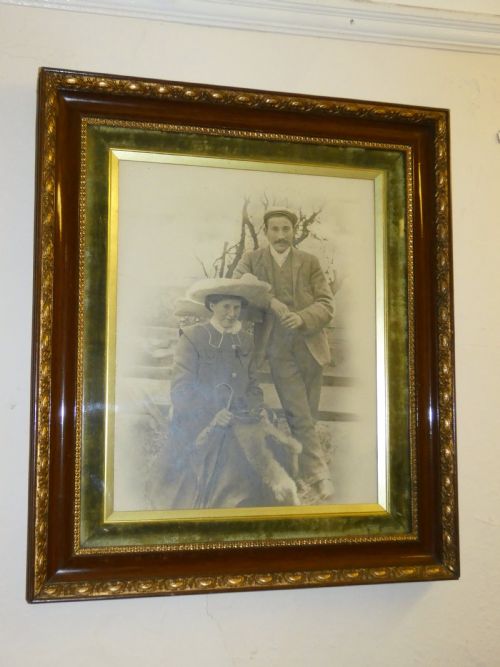
- A single canvas or panel showing two individuals together within the same composition. This format often emphasises the relationship or status shared by the sitters.
- Pastel portrait
- An artwork created using powdered pigment sticks on paper. These require glass protection to prevent the delicate powder from smudging.
- Staffordshire pottery
- Earthenware figures produced in the Staffordshire potteries during the Victorian era. They often depict notable couples, literary characters, or domestic pairings.
- Giltwood
- Wood carved and coated with gold leaf or gold paint. It frequently forms the decorative frames surrounding oil paintings and works on paper.
Antique Couple Portraits: Frequently Asked Questions
What is the difference between a pendant pair and a double portrait?
A pendant pair consists of two separate artworks created to hang together, typically showing each person individually in their own frame.
A double portrait places both sitters together on a single canvas or sheet within one shared frame.
How do I care for antique works on paper?
Works on paper, such as pastels and watercolours, require protection from direct sunlight to prevent the pigments from fading over time.
Keep them in stable room environments away from dampness to protect the paper substrate and any underlying mount boards.
What periods do these portraits cover?
The selections span multiple centuries, ranging from seventeenth-century Baroque oils to Georgian pastels and Victorian Staffordshire pottery figures.
Later examples extend into the Edwardian period with early photographs and twentieth-century paintings.
How were Staffordshire pottery figures used?
Staffordshire figures served as affordable decorative ornaments for mantelpieces in middle-class Victorian homes.
They often commemorated famous royal couples or popular characters from literature and folklore.