
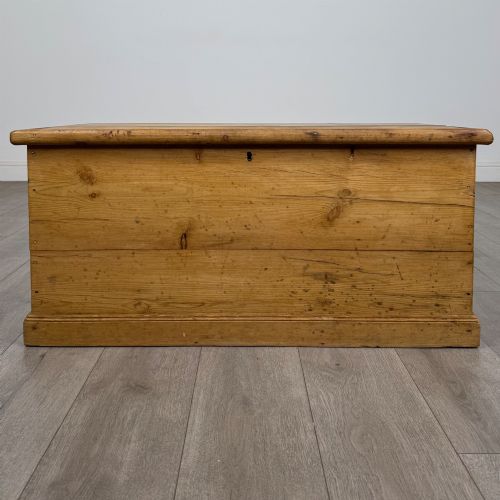

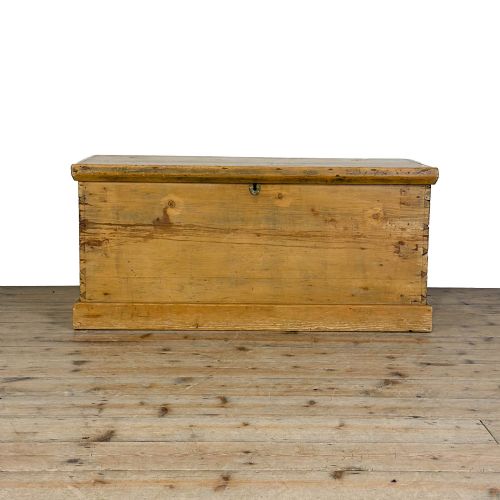
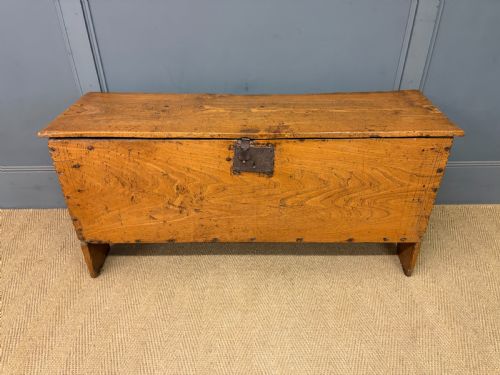
Antique Country Trunk
An antique country trunk offers enduring utility and rustic character, spanning practical blanket boxes and robust chests built for domestic storage.
Antique Country Trunk
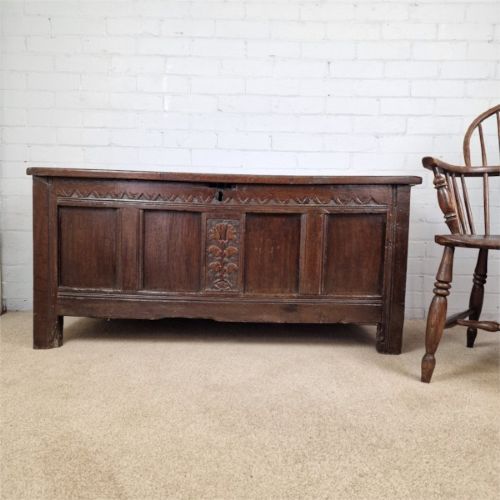
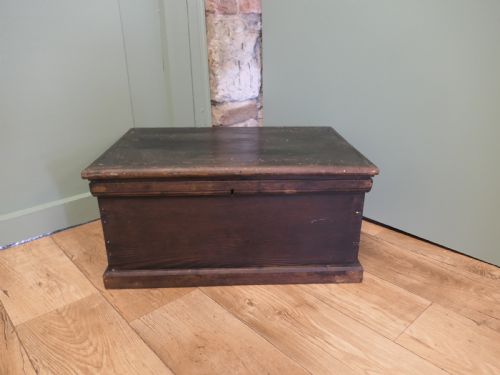
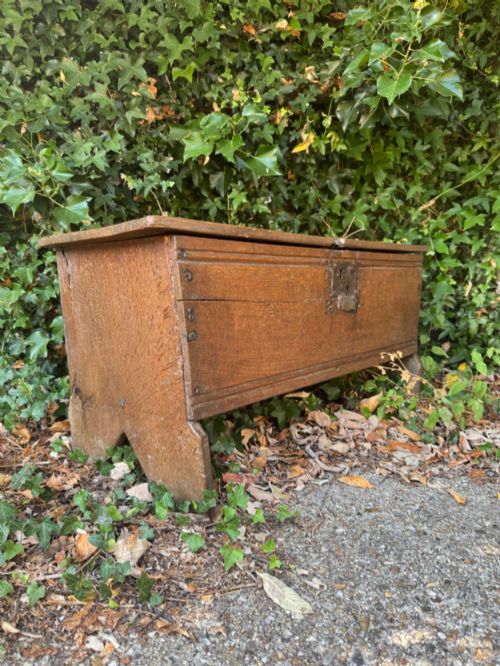
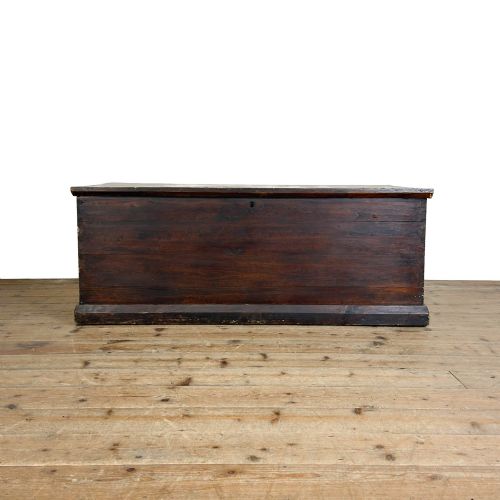
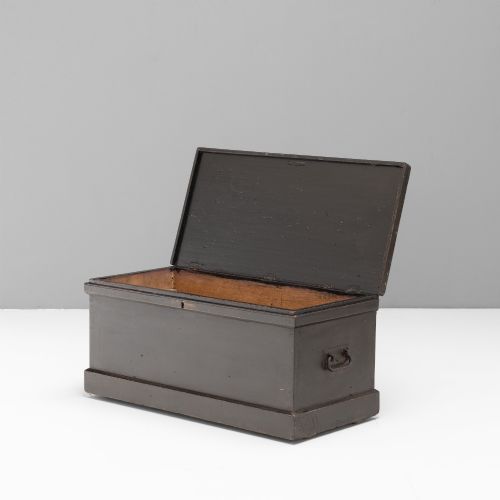
When you search for an antique country trunk, you encounter a variety of utilitarian storage forms including coffers, blanket boxes, and mule chests. These items served essential storage functions in domestic interiors across centuries.
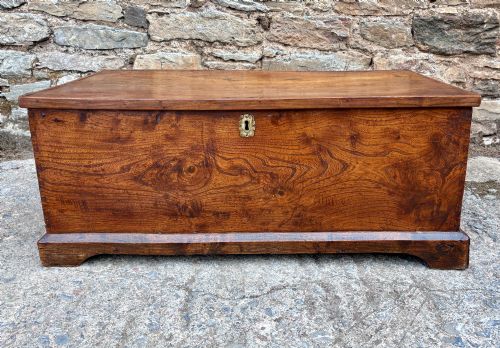
The pieces on this page appear in regional variations such as Welsh vernacular styles, French country designs, and English provincial makes. Oak and pine dominate the forms, supplemented by elm, beech, and cherrywood.
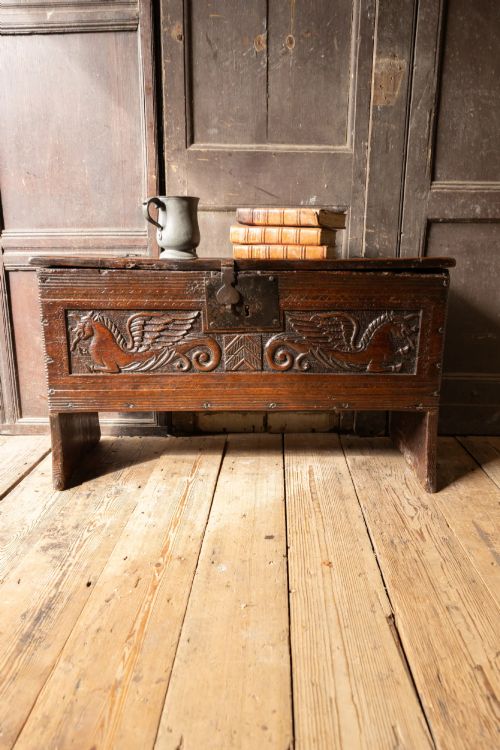
Dating ranges from the sixteenth century through the Victorian era and into the early twentieth century. You frequently meet six-plank constructions, panelled coffers, and fitted mule chests with lower drawers.
What varies in quality
Quality differentiates through the integrity of construction timber and the survival of original surfaces and hardware. Pieces exhibiting untouched patination and regional vernacular detailing command higher regard than heavily altered examples.
The sophistication of joinery, from simple board construction to complex panelled or carved fronts, dictates the grade of the item. Retaining original hinges, locks, and interior tills elevates the historical interest of the trunk.
Listings feature regional variations spanning Welsh vernacular pieces, French country cherrywood boxes, and English oak paneled coffers.
The Antique Country Trunk Glossary
- Coffer
- A heavy wooden box used for storage, typically hinged at the top and predating standard wardrobes. These pieces formed essential furniture in early domestic settings.
- Mule chest
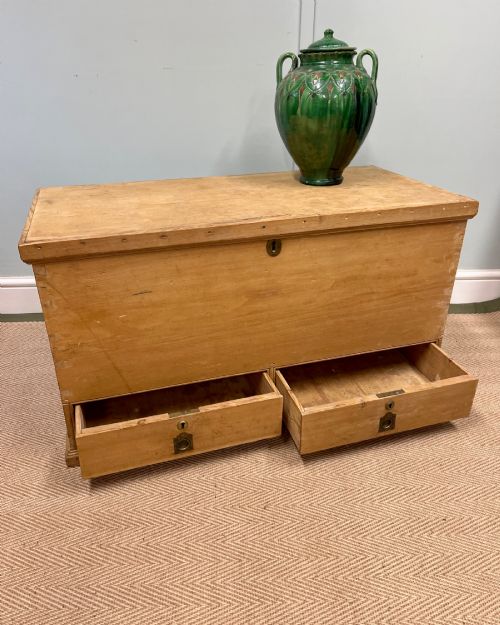
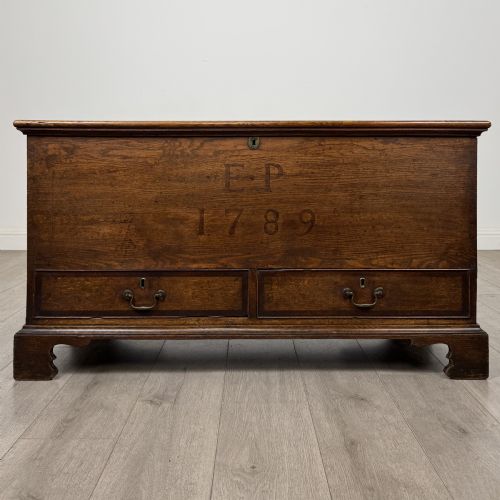
- A storage chest featuring one or more drawers beneath the main compartment. This form bridges the traditional blanket box and the chest of drawers.
- Six-plank
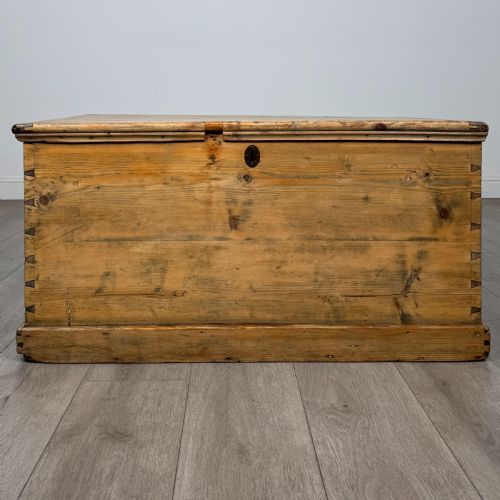
- A primitive construction method utilising six individual boards joined at the edges to form a box. This technique represents early vernacular cabinet making.
- Coffer bach
- A small Welsh box or coffer traditionally used for valuables or as a token gift. These miniature chests display intricate local craftsmanship.
- Linen fold
- A style of relief carving resembling folded linen panels, commonly found on earlier oak furniture. This ornamentation was popular during the Tudor and Elizabethan periods.
Antique Country Trunk: Frequently Asked Questions
What is a coffer bach?
A coffer bach is a small Welsh chest traditionally made in domestic workshops during the eighteenth century or earlier. They were often presented as marriage gifts or utilised for storing precious documents.
These miniature pieces mirror the construction methods of full-sized coffers, employing native oak or elm. Their diminutive scale makes them highly sought after by collectors of vernacular furniture.
How do I date an oak coffer?
Dating relies on examining construction techniques, tool marks, and timber characteristics. Early pieces often utilise hand- cleft boards and peg joinery rather than machine-cut elements.
Stylistic clues such as linen fold carving or panel framing provide chronological markers. Regional traits also help narrow the period of manufacture.
What is the difference between a mule chest and a blanket box?
A blanket box is essentially a lidded chest designed primarily for storing textiles and bedding. It consists of a single interior compartment accessed from the top.
A mule chest incorporates one or more drawers at the base beneath the main storage well. This hybrid design evolved to provide easier access to stored clothing without opening the heavy top lid.
How do I care for antique pine furniture?
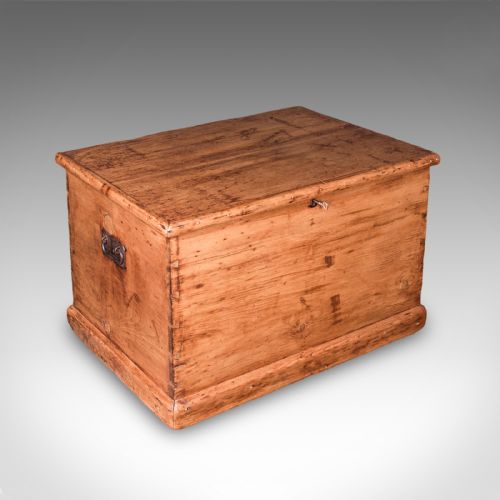
Antique pine benefits from stable indoor humidity and protection from direct sunlight to prevent timber splitting. Regular gentle dusting preserves the surface finish.
Applying a traditional beeswax polish helps nourish dry wood and maintain a soft sheen. Avoid modern silicone-based sprays which can damage aged timber surfaces.